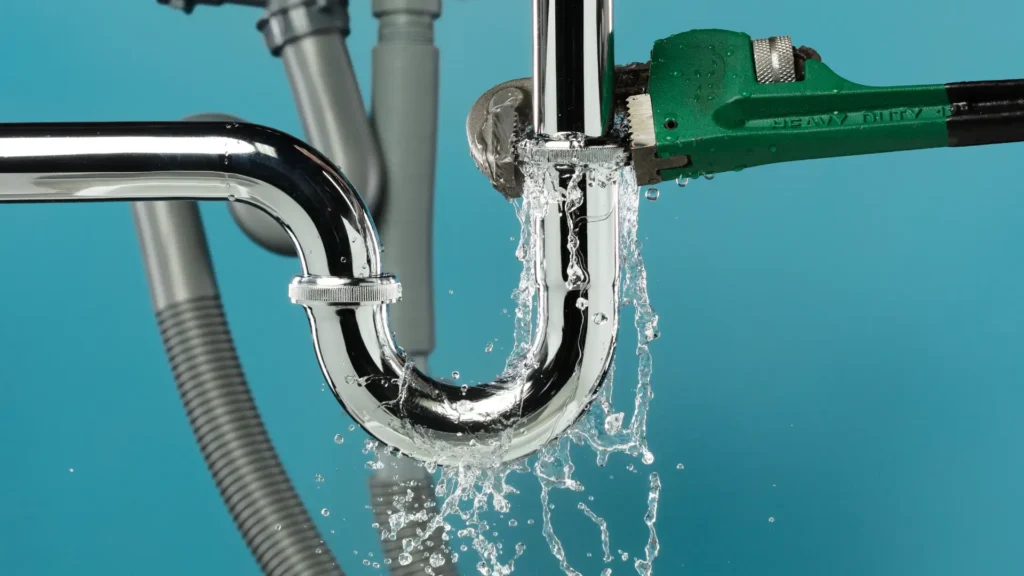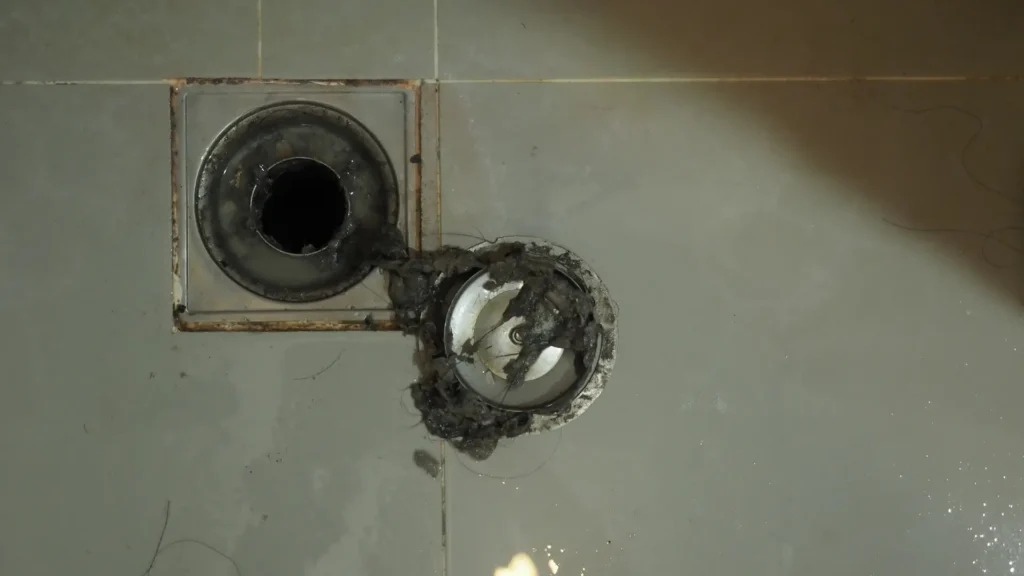

Welcome to your complete guide to understanding the different types of plumbing pipes used in homes today, whether you’re upgrading your plumbing system, troubleshooting water issues, or simply curious about what’s behind your walls. Plumbing materials have come a long way, and knowing the difference between PVC, PEX, copper, galvanized steel, cast iron, and other common pipe types can save you time, money, and frustration during repairs or renovations. Each pipe comes with its own strengths, weaknesses, and ideal applications—some excel at carrying hot water, others are perfect for drainage, and a few are best reserved for older homes or specialized projects. By understanding how each pipe works and where it’s typically used, you can make smarter decisions, avoid costly mistakes, and feel more confident the next time you talk with a contractor or peek under your sink. This guide breaks down each pipe type in simple terms, explains when to use them, and helps you determine which material is right for your home’s plumbing needs.
The main types of plumbing pipes include PVC, CPVC, PEX, copper, galvanized steel, cast iron, ABS, and HDPE. These pipe materials are used for different purposes throughout a home’s plumbing system, PVC and ABS for drainage, PEX and copper for water supply, CPVC for hot water lines, and cast iron for older drainage systems. Each type varies in durability, cost, heat resistance, and ideal usage, making it important to choose the right pipe for your specific plumbing needs.
Table of Contents
Why Pipe Material Matters
Choosing the right pipe material is one of the most important decisions in any plumbing system because it directly affects how safely and efficiently water moves throughout a home. Every pipe type behaves differently, and understanding these differences helps prevent leaks, contamination, and unnecessary long-term costs. When homeowners or renovators take time to understand which material belongs in which part of a plumbing system, they gain more control over both performance and budget.
How Pipe Material Impacts Safety
Different pipe materials influence water quality and overall system safety. Some pipes are designed specifically for drinking water, while others are suitable only for drainage. The material affects whether water stays clean, whether corrosion occurs over time, and how well the pipe can handle pressure or temperature changes. For example, copper is known for excellent durability and safety for drinking water, while older galvanized steel pipes can cause discolored water due to internal corrosion. Selecting the proper material ensures a safer water supply and reduces the risk of hidden damage.
How Pipe Material Affects Durability
Every pipe material has its own lifespan and tolerance to everyday wear. Durability is influenced by factors such as temperature, water pressure, chemical exposure, and where the pipe is installed. PVC and PEX are commonly used because they resist corrosion and handle varying conditions well, while cast iron is valued for its strength in drainage systems. When choosing pipe materials, consider how long you expect the system to last and how much maintenance it may require over time.
Cost Differences Between Pipe Materials
Cost plays a major role in plumbing decisions, especially for large projects. Some materials are more budget friendly upfront, while others offer long-term savings through extended durability. Homeowners often compare materials based on the following points:
- Initial purchase price
- Installation complexity and labor cost
- Expected lifespan
- Likelihood of future repairs or replacements
Balancing upfront spending with long-term reliability helps ensure a cost effective plumbing system.
Hot Water vs Cold Water Applications
Certain pipe materials are appropriate for specific temperature ranges. For instance, CPVC and copper handle hot water well because they resist heat and maintain structural integrity. PEX can also manage hot water effectively due to its flexibility and resistance to scale buildup. PVC, however, should not be used for hot water because it can warp or break down over time. Matching the pipe to the correct temperature use prevents premature failure.
Indoor vs Outdoor Installation
Environmental conditions influence whether a pipe material is suitable for indoor or outdoor use. The main considerations include:
- Exposure to sunlight
- Freezing temperatures
- Soil conditions
- Risk of impact or pressure
PEX should not be installed outdoors where sunlight can damage it, while HDPE and copper can handle exterior conditions better. Indoor installations often allow for more flexibility, but choosing the right material still ensures long term stability.
Drainage vs Drinking Water Needs
Drainage pipes do not need to withstand the same pressure or purity standards as drinking water lines. Materials such as PVC, ABS, and cast iron are ideal for drainage because they move wastewater efficiently and resist clogs. Drinking water lines require materials that do not leach chemicals and maintain water quality. Copper, PEX, and CPVC are commonly used for potable water because they meet safety standards and preserve taste and clarity.
Building Codes and Regulations
Local building codes ensure that plumbing systems meet safety and performance standards. These codes guide which materials can be used in specific areas of a home and how they must be installed. Always check local regulations before replacing pipes to confirm that your chosen materials comply with current requirements. Following these rules protects homeowners from costly mistakes and ensures the plumbing system functions safely.
Choosing the right pipe material sets the foundation for a plumbing system that performs well, lasts longer, and remains cost effective. By understanding how each material behaves under different conditions, homeowners can make informed decisions that protect both their property and their budget.

The Main Types Of Plumbing Pipes
Understanding the different types of plumbing pipes used in homes and buildings helps you choose the right material for repairs, upgrades, or new installations. Each pipe has its own strengths, limitations, and ideal applications. The sections below break down what each pipe is, how it is commonly used, the benefits and drawbacks, cost considerations, and how long you can expect it to last under normal conditions.
PVC Pipes
PVC pipes are among the most common materials used in residential plumbing because they are lightweight, affordable, and easy for both homeowners and professionals to work with.
- What it is:
A rigid plastic pipe designed for cold water, drain systems, waste lines, and venting. - Common uses:
- Bathroom and kitchen drain lines
- Venting systems
- Outdoor irrigation systems
- Pros and cons:
- Pros: Simple installation, low cost, resistant to corrosion
- Cons: Not suitable for hot water lines, may become brittle with age
- Cost considerations:
- PVC is generally one of the most budget friendly options due to its low material and installation costs.
- Lifespan and maintenance:
- PVC typically lasts several decades with minimal maintenance unless exposed to extreme heat or sunlight.
- Example:
- You will typically find PVC pipes under sinks, behind walls connected to drain traps, and in outdoor irrigation setups.
CPVC Pipes
CPVC pipes were developed to handle higher temperatures, making them a popular choice for hot water distribution in homes that prefer a plastic alternative to metal piping.
- What it is:
A chlorinated version of PVC that tolerates hot water without warping or softening. - Common uses:
- Hot and cold water supply lines
- Residential water heaters
- Hydronic heating systems
- Pros and cons:
- Pros: Handles higher temperatures, easy to cut and join, lightweight
- Cons: Can become brittle over time, not ideal for outdoor exposure
- Cost considerations:
- Slightly more expensive than PVC due to added chemical processing but still cheaper than metal piping.
- Lifespan and maintenance:
- CPVC can last decades with proper installation, though it should be inspected for potential cracking in older homes.
- Example:
- You will often find CPVC lines connected to hot water systems in bathrooms, kitchens, or laundry rooms.
PEX Pipes
PEX pipes have become increasingly popular because they offer flexibility and ease of installation that traditional metal pipes cannot match.
- What it is:
A flexible plastic tubing made from cross linked polyethylene that bends easily around corners and tight spaces. - Common uses:
- Hot and cold water supply system
- Whole home repiping
- Remodeling projects
- Pros and cons:
- Pros: Flexible, fast installation, resistant to scale buildup, color coded for clarity
- Cons: Not suitable for direct sunlight, may not be allowed in some older building codes
- Cost considerations:
- PEX is usually priced lower than copper and can reduce installation labor costs because it requires fewer fittings.
- Lifespan and maintenance:
- PEX can last several decades when kept away from UV light and installed by a trained professional to avoid kinks or stress points.
- Example:
- You will typically find PEX tubing snaking through walls in new construction homes or in remodels where access is limited.
Copper Pipes
Copper pipes remain one of the most trusted materials in plumbing thanks to their durability and long established track record.
- What it is:
A metal pipe that delivers reliable water service and resists corrosion naturally. - Common uses:
- Hot and cold water supply lines
- Refrigeration lines
- Homes needing long term durability
- Pros and cons:
- Pros: High heat resistance, long lifespan, corrosion resistant, safe for drinking water
- Cons: Higher cost, requires soldering, may need a professional installer
- Cost considerations:
- Copper tends to be one of the more expensive pipe materials because the market price of metal fluctuates and installation requires specialized skill.
- Lifespan and maintenance:
- Copper pipes can last fifty years or more with proper care, though hard water may affect their longevity.
- Example:
- You will typically find copper pipes feeding showers, kitchen sinks, and water heaters in older or higher end homes.
Galvanized Steel Pipes
Galvanized steel pipes were once the standard for residential plumbing but are now mostly found in older homes due to their tendency to corrode internally.
- What it is:
Steel pipe coated with zinc to reduce rust formation. - Common uses:
- Older home water lines
- Outdoor areas needing strong structural piping
- Historic properties awaiting upgrades
- Pros and cons:
- Pros: Strong, durable, resists physical impact
- Cons: Internal rust buildup, poor water pressure over time, not ideal for drinking water
- Cost considerations:
- Costs vary based on the difficulty of removing old pipes and replacing them with modern alternatives.
- Lifespan and maintenance:
- Galvanized pipes can last several decades, but once corrosion begins the pipes often need full replacement.
- Example:
- You will usually find galvanized steel in homes built before the 1960s, especially in main water supply lines.
Cast Iron Pipes
Cast iron pipes were widely used in older drainage systems because their weight and thickness naturally reduce noise from flowing water.
- What it is:
A heavy, durable metal pipe designed primarily for drainage and sewer lines. - Common uses:
- Main sewer stacks
- Underground drainage systems
- Older multi story homes
- Pros and cons:
- Pros: Extremely quiet, strong, long lasting
- Cons: Very heavy, can corrode, expensive to replace
- Cost considerations:
- Replacing cast iron often requires specialized labor and equipment, raising the overall project cost.
- Lifespan and maintenance:
- Cast iron pipes can last up to a century but may develop cracks or corrosion as they age.
- Example:
- You will typically find cast iron in vertical sewer stacks that run between floors in older residential buildings.
HDPE Pipes
HDPE pipes offer a durable, flexible, leak resistant option for underground and high pressure water service applications.
- What it is:
A high density polyethylene pipe known for its strong fused joints and resilience. - Common uses:
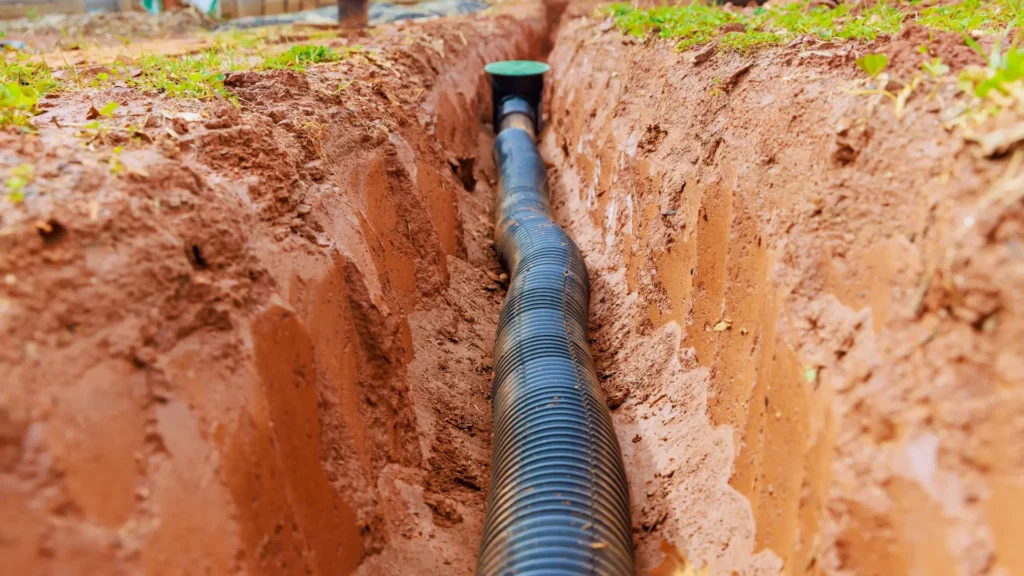
- Underground water service lines
- Sewer and drainage systems
- Irrigation projects
- Pros and cons:
- Pros: Flexible, long lifespan, leak resistant, handles pressure well
- Cons: Higher upfront cost, requires heat fusion tools
- Cost considerations:
- HDPE material costs are higher than basic plastic pipes but can reduce long term repair expenses.
- Lifespan and maintenance:
- HDPE is known to last several decades due to its resistance to chemicals, moisture, and impact.
- Example:
- You will typically see HDPE installed underground to carry water from a municipal line to a residential property.
ABS Pipes
ABS pipes are similar to PVC but more rigid and lightweight, making them suitable for certain types of drainage systems.
- What it is:
A black plastic drain pipe made from a durable thermoplastic resin. - Common uses:
- Drainage lines
- Venting systems
- Sewer applications
- Pros and cons:
- Pros: Strong, lightweight, resistant to impact
- Cons: Can warp in sunlight, not allowed in all building codes
- Cost considerations:
- ABS is moderately priced and fairly simple to work with, keeping installation costs manageable.
- Lifespan and maintenance:
- ABS pipes can last many decades when shielded from direct sunlight and installed according to code.
- Example:
- You will often see ABS used in drain lines beneath bathroom floors or behind walls connecting to vent stacks.
Knowing the different types of plumbing pipes helps you make better decisions when maintaining or upgrading your home. Each material serves a specific purpose, and choosing the right one can extend the lifespan of your plumbing system while preventing unnecessary repairs. Understanding how these pipes function gives you a clearer picture of what is happening behind your walls and beneath your floors.

Quick Comparison Chart
Choosing the right plumbing pipe often comes down to comparing the most important factors side by side. Homeowners usually want a simple way to understand how each pipe material performs in real situations, especially when they are deciding between options like PEX, PVC, or copper. The following section breaks down the essential qualities of common plumbing pipes so readers can quickly see the differences and make confident decisions.
Key Factors Compared
The comparison focuses on the following elements, which influence cost, durability, and suitability for different plumbing needs:
- Pipe material
- Typical use
- Heat tolerance
- Cost level
- Lifespan
Comparison Table
Below is a clear and practical reference chart that highlights how the most common plumbing pipes stack up against one another. It helps readers understand where each material excels and where it may fall short, making this section especially valuable for searches related to comparing plumbing pipes.
| Pipe Material | Typical Use | Heat Tolerance | Cost Level | Lifespan |
| PVC | Drainage and venting systems | Low to moderate | Low | 25 to 40 years |
| CPVC | Hot and cold water supply | High | Low to medium | 40 to 50 years |
| PEX | Residential hot and cold supply lines | Moderate | Low to medium | 40 to 50 years |
| Copper | Potable water supply | Very high | High | 50 to 70 years or longer |
| Galvanized Steel | Older water supply systems | High | Medium | 40 to 50 years but declining |
| Cast Iron | Drainage stacks and sewer lines | High | High | 70 to 100 years |
| ABS | Drainage and venting | Moderate | Low | 50 years or more |
| HDPE | Underground and large service lines | High | Medium | 50 to 100 years |
How This Chart Helps Homeowners
By reviewing these comparisons, readers can more easily decide which pipe material matches their specific needs. Some pipes excel in heat tolerance, while others offer affordability or long lifespans. A chart like this also provides essential clarity for anyone planning repairs, replacements, or upgrades, ensuring they understand the strengths and limitations of each material without feeling overwhelmed by technical information.
Understanding how different plumbing pipes compare is an important step toward making smart decisions during home upgrades or repairs. With this chart as a quick reference, homeowners can evaluate their options more confidently and choose the material that best supports their long-term plumbing goals. If you plan to move forward with a plumbing project, reviewing these differences first can save time, reduce costs, and help ensure reliable results.

How To Choose The Right Plumbing Pipe For Your Home
Selecting the right plumbing pipe for your home can feel overwhelming if you are not familiar with the different materials and how they perform in real-world conditions. The goal is to match the pipe to the job so that your plumbing system stays efficient, reliable, and safe over the long term. By understanding how purpose, location, cost, building codes, and maintenance expectations influence your choice, you can make confident decisions that suit both your household needs and your budget.
Determine The Purpose Of The Pipe
Before choosing a plumbing pipe, it helps to identify what the pipe will actually be used for. Different materials perform better depending on the type of water flow and temperature they will carry.
Consider the following:
- Hot water
- Cold water
- Drainage or waste lines
Hot water lines require materials that can tolerate higher temperatures without degrading. CPVC and copper are typically preferred in these situations. Cold water lines have more flexibility, making PVC, PEX, and copper good options. Drainage systems need pipes that can handle waste removal and venting, such as PVC, ABS, or cast iron. Taking a moment to match the pipe type to the purpose ensures the system functions smoothly and reduces the risk of early wear.
Assess The Location Of The Installation
Where a pipe is installed affects how it will perform over time. Some materials work well inside the home but are not ideal outdoors or underground due to temperature swings or soil pressure.
Evaluate where the pipe needs to be placed:
- Indoor
- Outdoor
- Underground
Indoor plumbing offers the most flexibility, allowing for the use of PEX, PVC, CPVC, or copper. Outdoor areas often require materials that can resist sunlight, freezing temperatures, and physical impact, making copper or specially rated PEX more suitable. Underground installations need materials that are durable, flexible, and resistant to soil conditions. HDPE and certain types of PEX are common choices for buried lines because they can handle movement and pressure without cracking.
Consider Your Budget
Budget plays a significant role in choosing the right pipe, especially when comparing long-term durability and installation costs.
Think about the differences between:
- Upfront cost
- Long-term value and lifespan
PEX is widely chosen for remodels because it offers strong performance at a moderate price. It is easy to install, which can reduce labor costs. Copper, while more expensive upfront, has a long lifespan and remains one of the most dependable materials for water supply. PVC is generally the most budget-friendly option for drainage lines. Weighing the initial cost against expected durability will help you determine which material provides the best value for your specific project.
Review Local Code Requirements
Building codes exist to ensure that plumbing systems are safe, functional, and consistent across different regions. Although you do not need to become an expert in local regulations, it is important to be aware that some materials may not be permitted in certain areas or for specific applications. A licensed plumber or contractor can easily confirm which pipe types comply with local rules. Keeping codes in mind helps you avoid costly corrections later.
Evaluate The Maintenance Level
Some plumbing materials require little attention over time, while others may need periodic checks or replacement. Choosing a pipe that fits your comfort level with maintenance can save frustration in the long run. Copper is known for its long service life with minimal upkeep. PEX also performs well with low maintenance needs, provided it is installed away from direct sunlight. Older materials like galvanized steel require more frequent monitoring due to rust and buildup, making them less ideal for modern homes.
Real Examples To Guide Your Choice
Choosing the right pipe becomes easier when you think about how it will function in everyday situations.
- Replacing kitchen supply lines? PEX is usually the easiest option because it bends around corners and installs quickly.
- Upgrading your whole-home plumbing? Copper or PEX are top choices depending on your budget and how long you want the new system to last.
Selecting the best plumbing pipe for your home means balancing purpose, location, cost, code requirements, and how much maintenance you are willing to manage. When you take the time to understand these factors, you can choose materials that offer strong performance and long-lasting value. A well-matched pipe system makes everyday water use more reliable and gives you peace of mind for years to come.

Signs Your Plumbing Pipes Need To Be Replaced
Recognizing the early warning signs of failing plumbing pipes can help homeowners avoid expensive repairs, unexpected water damage, and major system failures. Even if your home appears to be functioning normally, pipes naturally wear down over time, especially older materials such as galvanized steel or cast iron. Understanding what to look for allows you to take action before a small inconvenience turns into a serious plumbing issue.
Discolored Water
When water comes out looking brown, yellow, or cloudy, it is often a signal that the inside of your pipes is beginning to corrode. This problem is especially common in galvanized steel pipes, which tend to rust as they age. That rust can break loose and mix with your water supply, leading to discoloration and sometimes a metallic taste. If you notice this consistently, it is usually a strong indicator that the pipe material is deteriorating from the inside and may need to be replaced soon.
Low Water Pressure
A sudden or gradual drop in water pressure often points to buildup inside the pipes. Older pipe materials are more prone to internal scaling, rust, and sediment accumulation. As the passageway narrows, water cannot flow freely, causing weak pressure at your faucets and showerheads. This problem may start small but typically worsens over time as the buildup continues. Replacing the affected pipes is often the only long-term solution.
Frequent Leaks
One occasional leak might be due to a loose connection or faulty fitting. However, frequent or recurring leaks are a strong sign that the pipe walls have weakened. Materials such as copper can develop pinhole leaks when they begin to break down, while older galvanized pipes may crack as corrosion expands. If repairs become a regular occurrence, replacing the piping system is typically more cost-effective and reliable than continual patchwork.
Visible Corrosion
Pipes that show signs of rust, flaking, discoloration, or surface pitting are usually well into their deterioration process. Corrosion weakens metal pipes and can lead to leaks, contamination, or complete pipe failure. This issue is most often seen in galvanized steel or cast iron pipes, but copper can also corrode under certain environmental conditions. When corrosion is visible, internal damage is almost always present as well.
Noisy Pipes
Unusual sounds coming from your plumbing system can indicate structural pipe issues.
Common noises include:
- Banging or knocking
- Whistling
- Gurgling
- Rattling
While some noises are caused by pressure changes or loose mounting brackets, others point to internal wear or blockages. In older systems, noisy pipes may signal that the pipe material is degrading or no longer functioning as intended, especially if other symptoms are present.
How Pipe Type Affects These Warning Signs
Different pipe materials tend to fail in different ways, which can help you identify the cause of your plumbing issues more accurately.
- Galvanized steel pipes commonly cause rust, discolored water, and low pressure due to internal corrosion.
- Copper pipes may develop pinhole leaks that lead to frequent dripping or moisture spots.
- Cast iron pipes often show exterior corrosion and can cause slow drainage or noisy plumbing lines as they deteriorate.
Understanding how each pipe material behaves as it ages provides useful context for diagnosing problems and deciding when replacement is necessary.

When To Call A Professional Vs DIY
Knowing when to handle a plumbing task on your own and when to bring in a licensed plumber can save you time, money, and unnecessary frustration. While some repairs are simple enough for homeowners to manage with basic tools and a little patience, others require specialized skills, knowledge of local building codes, and the ability to troubleshoot complex issues. Understanding the difference helps protect your home from accidental damage and ensures your plumbing system remains safe and efficient.
Small Fixes You Can Usually DIY
Homeowners can often take care of minor plumbing tasks that do not involve structural changes or high-risk situations. These projects are typically straightforward and low cost, making them manageable for someone with basic DIY experience. Examples include:
- Replacing a short section of PVC drain pipe.
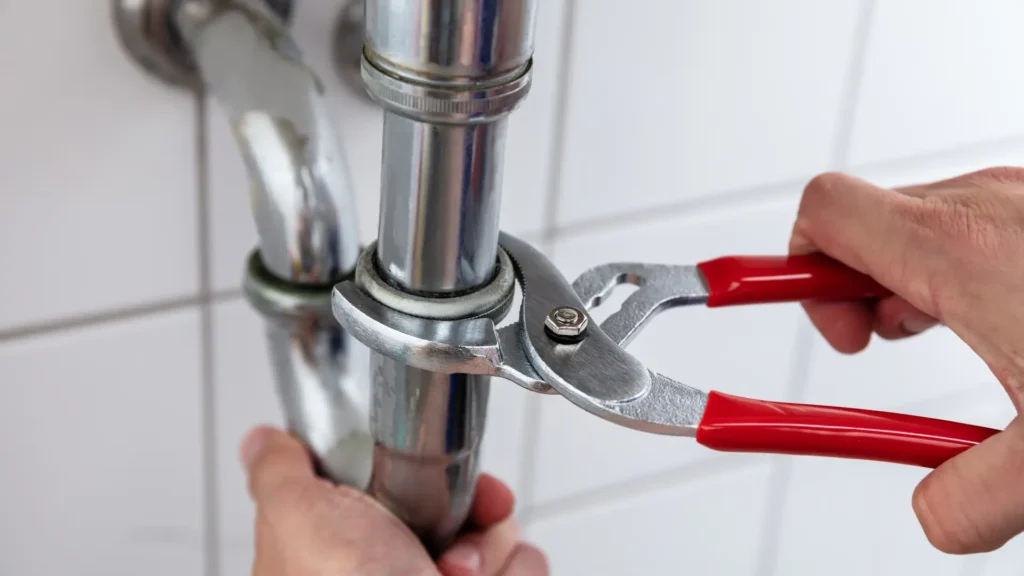
- Tightening loose pipe fittings under a sink.
- Installing a new faucet or showerhead.
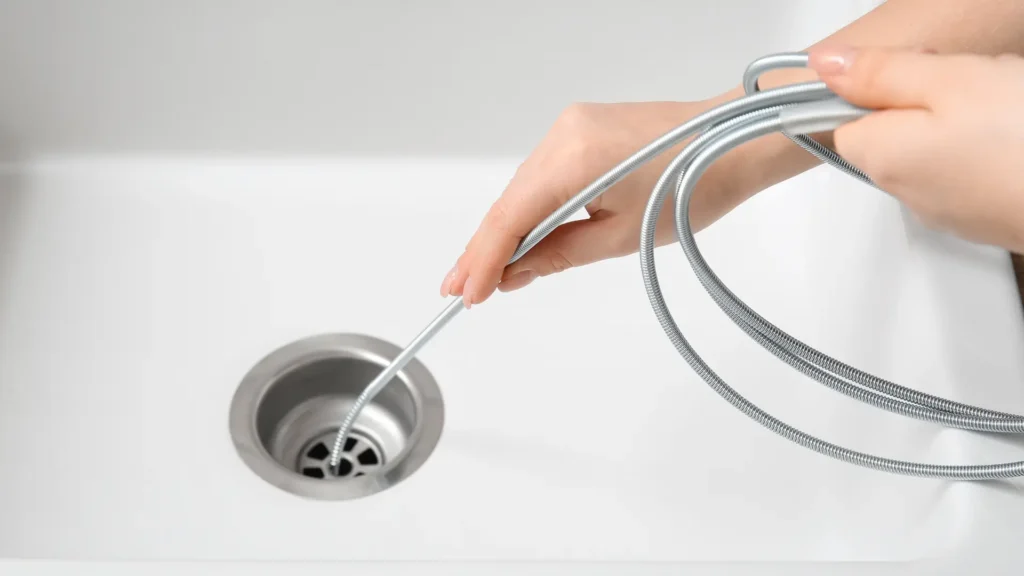
- Clearing simple clogs in sinks or tubs using non-invasive methods.
These small jobs generally involve limited water exposure and minimal technical knowledge, so the risks are low if you follow basic instructions and take your time.
Projects That Require A Licensed Plumber
More complex plumbing issues demand the expertise of a trained professional. These projects often involve water pressure, hot water systems, major connections, or materials that require specific installation techniques. Situations that call for a licensed plumber include:
- Full pipe replacements or whole-home repiping.
- Repairs involving copper, PEX manifolds, or gas lines.
- Persistent leaks behind walls or under floors.
- Sewer line issues or drainage problems affecting multiple fixtures.
- Any plumbing work that must meet code requirements or pass inspection.
Attempting these tasks without proper training can create significant damage, lead to costly repairs, and even cause safety hazards. Professionals have the tools and experience to diagnose issues accurately and ensure everything is installed to meet local regulations.
Why Calling A Professional Matters
Hiring a licensed plumber provides reassurance that the job is performed correctly, safely, and in compliance with building codes. Professional plumbers can identify underlying issues that may not be obvious to the average homeowner, helping prevent future leaks, water damage, or system failures. Their work also protects your home’s value by ensuring all repairs and installations are documented and done to industry standards.
Choosing between DIY and professional help ultimately comes down to understanding the complexity of the task and the risks involved. When in doubt, consulting a qualified plumber is the safest way to protect your home and ensure your plumbing system continues to function smoothly.
Ready to understand your plumbing system like a pro and choose the right materials with confidence? Click through to our website for expert guidance, easy-to-follow home improvement tips, and trusted recommendations that help you protect your home and your budget.
References
- Comprehensive Guide to Plumbing Pipes: Types, Uses, Pros & Cons
https://www.1tomplumber.com/comprehensive-guide-plumbing-pipes/ (1 Tom Plumber) - Plumbing Materials Guide: PVC vs Copper vs PEX Pipes Info
https://www.kenadamsmechanical.com/plumbing-materials-pvc-copper-pex/ (kenadamsmechanical.com) - 7 Types of Plumbing Pipes: Pros and Cons
https://trdsf.com/blogs/news/plumbing-pipe-types (TRADESAFE) - Best Plumbing Pipe Materials for Homes 2025 Guide
https://eliteflowcontrolusa.com/best-material-for-plumbing-pipes/ (eliteflowcontrolusa.com) - Different Types of Plumbing Pipes Explained
https://plumbinginto.com/different-types-of-plumbing-pipes/ (plumbinginto.com)

FAQs: About types of plumbing pipes
What are the most common types of plumbing pipes?
The most common types of plumbing pipes include PVC, CPVC, PEX, copper, galvanized steel, ABS, cast iron, and HDPE. Each material serves different purposes depending on whether you need pipes for water supply, drainage, or venting.
Which plumbing pipe is best for home water supply lines?
PEX and copper are the most popular choices for residential water supply lines. PEX is flexible, affordable, and easy to install, while copper is durable, long-lasting, and ideal for high-temperature use.
Are PVC and CPVC pipes the same?
No. PVC is typically used for cold water lines and drainage, while CPVC is chemically treated to withstand higher temperatures, making it suitable for hot water applications.
What is the advantage of using PEX pipe?
PEX is flexible, resistant to scale, easy to install, and ideal for remodeling projects where pipes must navigate tight spaces. Because of its versatility, it’s become the go-to choice for many modern homes.
How long do copper plumbing pipes last?
Copper pipes can last 50–70 years or more with proper maintenance. They resist corrosion, handle high temperatures, and are safe for drinking water, but they are more expensive than other options.
Should I replace galvanized steel pipes?
Yes, if your home still has galvanized pipes, they may be corroded on the inside, causing rusty water, low water pressure, and potential leaks. Replacing them with PEX or copper is recommended.
What makes cast iron pipes unique?
Cast iron pipes are extremely durable and quiet, making them ideal for drainage systems in older homes. However, they are heavy, prone to corrosion with age, and often replaced during major plumbing upgrades.
Which plumbing pipe is safest for drinking water?
Copper and PEX are widely considered safe for drinking water. Copper is naturally antimicrobial, while PEX is chemically stable when installed properly and tested to meet safety standards.
Can I install plumbing pipes myself?
Simple replacements, such as swapping a short section of PVC, might be DIY-friendly. However, major installations, hot water lines, and full system upgrades should always be handled by a licensed plumber.
How do I choose the right plumbing pipe for my home?
Consider the purpose (hot water, cold water, drainage), your budget, local building codes, pipe lifespan, and the installation environment. A plumber can help you match the best material to your specific needs.
Conclusion
Understanding the different types of plumbing pipes and their specific purposes is one of the simplest ways to make smarter decisions about maintaining or upgrading your home’s plumbing system. Every pipe material offers unique advantages, and knowing where each one fits best helps you avoid unnecessary repairs, prevents unexpected issues, and ensures your plumbing operates efficiently for years. By taking a moment to inspect the pipes already in your home, you may uncover early signs of wear or outdated materials that need attention, ultimately saving you from costly damage down the line. If you are unsure which pipes you have or what condition they are in, a quick inspection can save you thousands later, and speaking with a licensed plumber can help you choose the safest and most cost-effective option for your home.