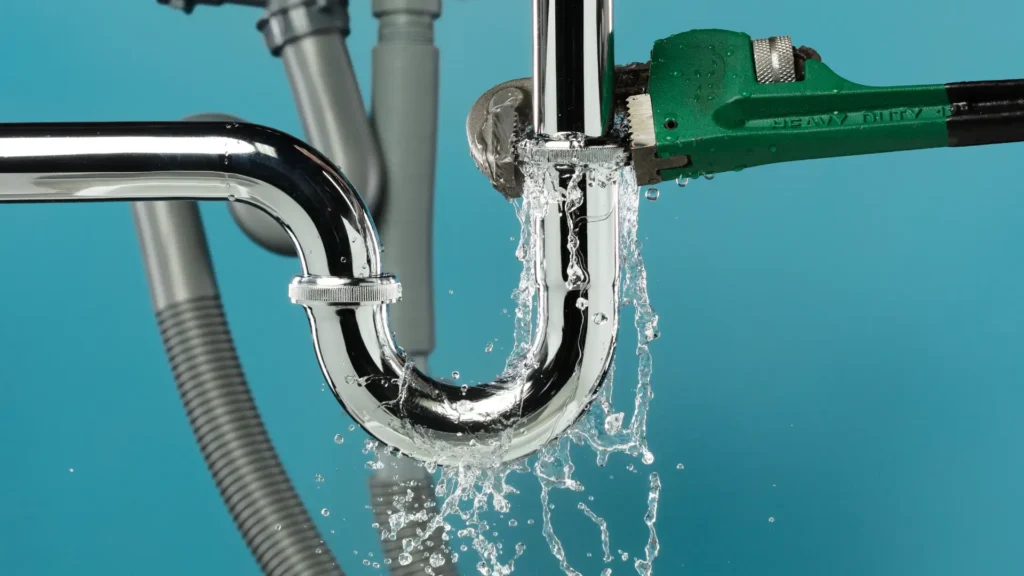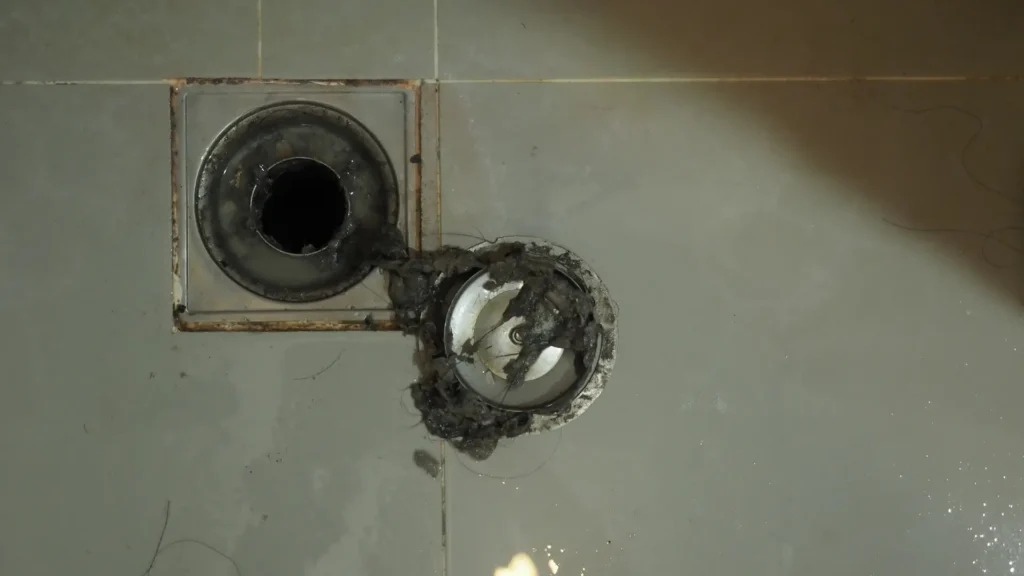
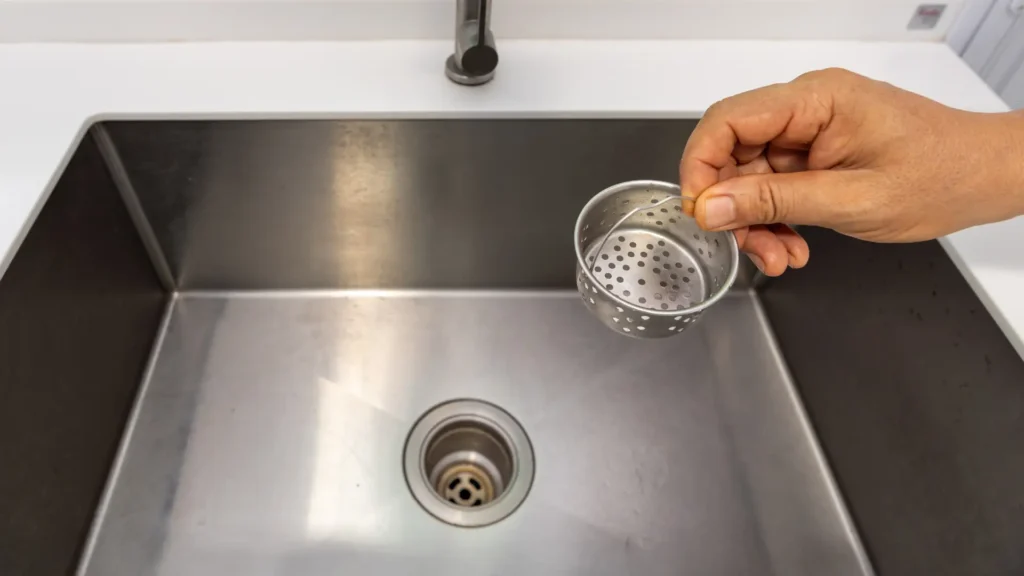
Welcome to a practical guide on how to prevent blocked drains in Auckland—an issue many homeowners face thanks to a mix of heavy rainfall, aging pipes, tree roots, and everyday household habits. Whether it’s a slow-draining sink, unpleasant smells, or water pooling after a downpour, blocked drains can quickly turn from a minor annoyance into a costly problem if ignored. The good news is that most drain blockages are preventable with the right knowledge and a few consistent habits. In this guide, we’ll walk you through why blocked drains are so common in Auckland, the early warning signs to watch for, and simple, proven steps you can take to keep your drains flowing smoothly all year round.
To prevent blocked drains in Auckland, homeowners should avoid pouring grease or food scraps down sinks, use drain strainers in kitchens and bathrooms, regularly clear outdoor drains of leaves and debris, and schedule routine drain inspections—especially before heavy rain seasons. These simple preventative steps can reduce blockages caused by everyday waste, tree roots, and Auckland’s wet climate.
Table of Contents
Why Blocked Drains Are So Common In Auckland
Blocked drains are a common issue for many Auckland homes, regardless of the age or size of the property. From slow-draining sinks to water backing up after heavy rain, these problems often catch homeowners off guard. Understanding why blocked drains occur so frequently in Auckland helps put the issue into context and makes it easier to take practical steps to prevent blocked drains Auckland households regularly experience.
Blocked Drains Are A Widespread Issue In Auckland Homes
Across the city, blocked drains are one of the most reported household plumbing problems. Many Auckland homeowners only realise there is an issue once it starts disrupting daily life.
- Everyday household use: Kitchens, bathrooms, and laundries produce grease, soap residue, hair, and food waste that gradually build up inside pipes
- High population density: More frequent use of plumbing systems increases wear and accelerates blockages
- Infrequent drain maintenance: Drains are often overlooked until a blockage becomes severe
Because these issues develop slowly, blockages can go unnoticed for months.
Local Factors That Make Drain Blockages Worse
Auckland’s environment and housing landscape play a major role in how often drains become blocked. Several local conditions increase the likelihood of drainage problems.
- Heavy rainfall: Auckland’s regular downpours put extra pressure on stormwater systems, pushing leaves, dirt, and debris into drains
- Older plumbing in many suburbs: Aging clay or concrete pipes are more prone to cracks, internal buildup, and collapse
- Tree roots: Mature trees common in Auckland gardens seek moisture and can invade underground pipes through tiny cracks
- Grease-heavy cooking habits: Oils and fats poured down sinks cool and harden, slowly narrowing pipes and trapping other debris
These factors mean that even well-kept Auckland homes can face blocked drains without preventative care.
The Consequences Of Ignoring Early Warning Signs
Blocked drains rarely happen suddenly. They usually start with small signs that are easy to dismiss but can lead to bigger problems if left untreated.
- Flooding: Minor blockages can quickly escalate into overflowing drains or internal water damage
- Bad smells: Trapped waste and stagnant water create unpleasant odours that spread through kitchens, bathrooms, and outdoor areas
- Costly emergency call-outs: Delaying action often turns a manageable issue into an expensive urgent repair
Addressing problems early is one of the simplest ways to avoid unnecessary damage and expense.
Why Understanding The Cause Matters
Knowing why blocked drains are so common in Auckland allows homeowners to be proactive rather than reactive. When you understand the local factors involved, it becomes easier to adjust daily habits, plan regular drain maintenance, and reduce the risk of serious blockages.
By paying attention to early warning signs and taking preventative steps, Auckland homeowners can protect their plumbing systems, avoid disruption, and keep their drains flowing smoothly year-round.
Common Causes Of Blocked Drains In Auckland Homes
Blocked drains are rarely caused by one sudden problem. In most Auckland homes, blockages develop gradually due to a mix of everyday habits and local environmental conditions. Understanding these causes helps homeowners take preventive action before small issues turn into expensive plumbing repairs.
Everyday Household Causes
Many drain problems begin inside the home and worsen over time as waste slowly builds up inside the pipes.
- Grease, Oil, And Food Scraps: Cooking oils and grease may flow easily when hot, but they harden as they cool inside pipes. Food scraps stick to this buildup, slowly reducing water flow and eventually causing complete blockages, especially in kitchen sinks.
- Hair And Soap Buildup: Hair naturally collects in bathroom drains, particularly in showers and basins. Soap residue binds hair together, forming thick clumps that restrict drainage. This issue is common in busy households with frequent bathroom use.
- Wet Wipes And “Flushable” Products: Products marketed as flushable often do not break down properly in pipes. Wet wipes, paper towels, and sanitary items can snag inside drains, creating blockages that are difficult to clear without professional equipment.
- Foreign Objects: Small items such as cotton buds, dental floss, food packaging, or children’s toys can accidentally enter drains. Once lodged, they trap other debris and gradually create a larger blockage.
Auckland-Specific Drain Blockage Causes
Beyond household habits, Auckland’s environment and older infrastructure significantly contribute to drainage issues. These local factors often make blockages more frequent and harder to prevent without regular maintenance.
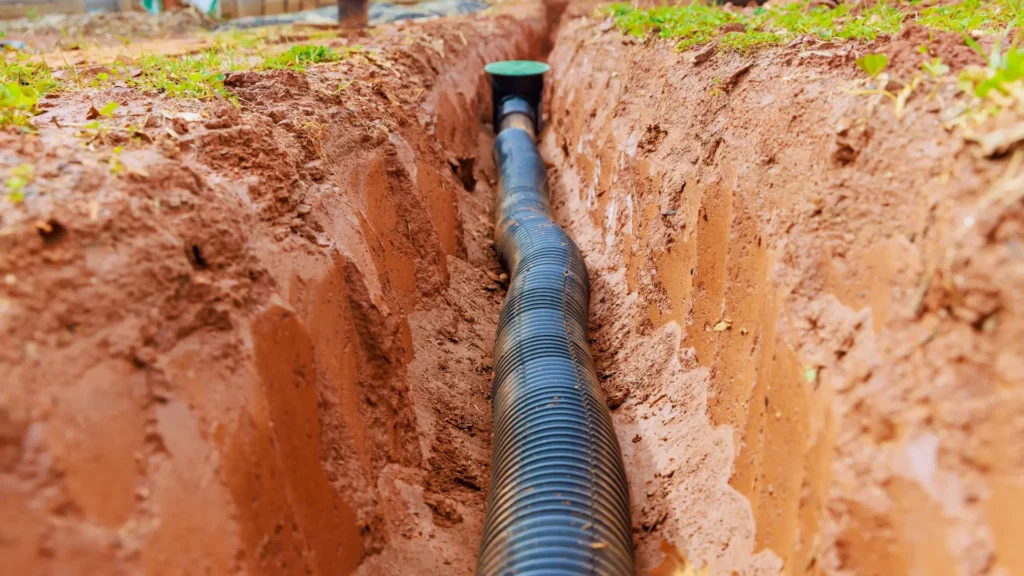
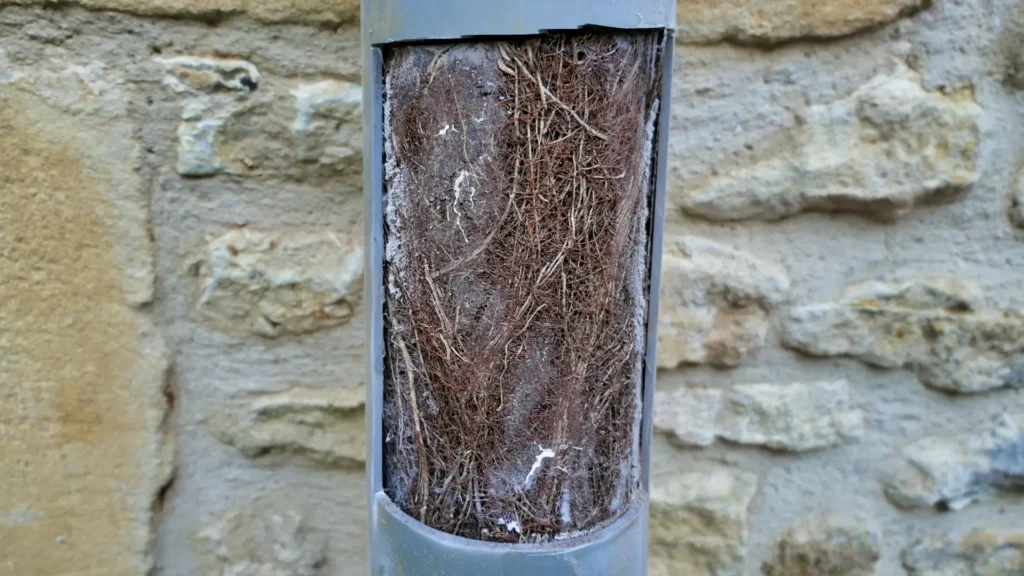
- Tree Root Intrusion: Many Auckland suburbs feature mature trees, particularly around older homes. Tree roots seek moisture and can enter small cracks in underground pipes. Once inside, they expand and trap waste, leading to recurring and worsening blockages.
- Stormwater Debris After Heavy Rain: Auckland’s heavy rainfall can overwhelm stormwater systems. Leaves, dirt, and debris are often washed into outdoor drains, causing sudden blockages and increasing the risk of surface flooding.
- Aging Clay Or Concrete Pipes: Older homes commonly use clay or concrete pipes that deteriorate over time. Cracks, shifting joints, and general wear allow roots and debris to enter, making blockages more likely.
- Poor Drainage Gradients In Older Properties: Some older properties were built with drainage slopes that no longer meet modern standards. When pipes do not slope correctly, water drains slowly, allowing waste to settle instead of flowing away.
Why Knowing The Cause Matters
Identifying whether blocked drains are caused by everyday habits or Auckland-specific conditions helps determine the right preventative approach. While many household issues can be reduced with better habits, local factors often require professional assessment and maintenance.
Understanding the common causes of blocked drains in Auckland homes allows you to act early, protect your plumbing system, and reduce the risk of costly repairs in the future.
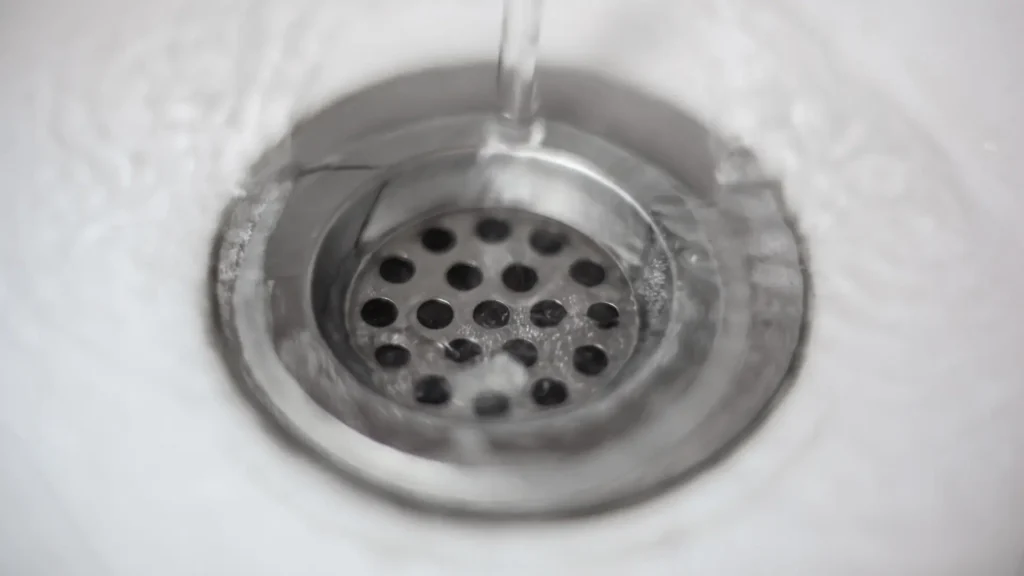
Early Warning Signs Of A Blocked Drain (That Most People Miss)
Most people ignore the early signs of a blocked drain until it is too late. Blocked drains rarely appear out of nowhere. They usually develop slowly, giving off small warning signals that are easy to brush off. Learning to recognise these signs early can help you prevent blocked drains in Auckland before they turn into messy, expensive problems.
Slow-Draining Sinks, Showers, Or Toilets
When water drains more slowly than usual, it often indicates that something is starting to restrict the flow inside the pipes.
- What it usually means: A partial blockage caused by grease, hair, soap residue, or food waste
- Why it matters: Partial blockages collect more debris over time and can quickly worsen
- What people often do: Ignore the issue because the drain is still usable
If more than one fixture in your home is draining slowly, the problem may be located deeper in the main drain rather than in a single pipe.
Gurgling Sounds Coming From Drains
Unusual gurgling or bubbling noises are often an early warning sign that air is trapped inside the plumbing system.
- What it usually means: Air pockets caused by restricted water flow
- Where you may notice it: Toilets, sinks, or showers after water is released
- Why it is ignored: The drain still works, so the noise does not seem urgent
These sounds often appear well before a complete blockage occurs.
Bad Odours Coming From Drains
Persistent unpleasant smells from drains should never be overlooked, even if water is still flowing normally.
- What it usually means: Organic waste trapped inside the pipes and breaking down
- Why it happens in many Auckland homes: Older plumbing systems and frequent moisture
- What to watch for: Odours that return shortly after cleaning
Lingering smells often point to a deeper blockage that surface cleaning cannot fix.
Water Backing Up After Heavy Rain
Water backing up inside the home or pooling around outdoor drains after rainfall is a strong sign of a developing blockage.
- What it usually means: Blocked stormwater or sewer lines
- Why it is common in Auckland: Heavy rain combined with leaves, dirt, and debris
- Why it is dangerous: Backflow can cause flooding and property damage
This is one of the clearest indicators that your drainage system is under stress.
Overflowing Outdoor Gully Traps
Outdoor gully traps are designed to safely release excess water. When they overflow, it usually means there is a blockage underground.
- What it usually means: A blockage in the main sewer or stormwater drain
- When it often occurs: During heavy water usage or after rainfall
- Why it should not be ignored: Wastewater may surface near your home
Overflowing gully traps often require professional attention to prevent further damage.
Why Acting Early Makes All The Difference
Noticing these warning signs early allows you to take action before a minor issue turns into a major drain problem. Being proactive does not mean you have done something wrong. It simply means you are protecting your home, avoiding unnecessary costs, and taking the right steps to prevent blocked drains in Auckland before they disrupt your daily life.
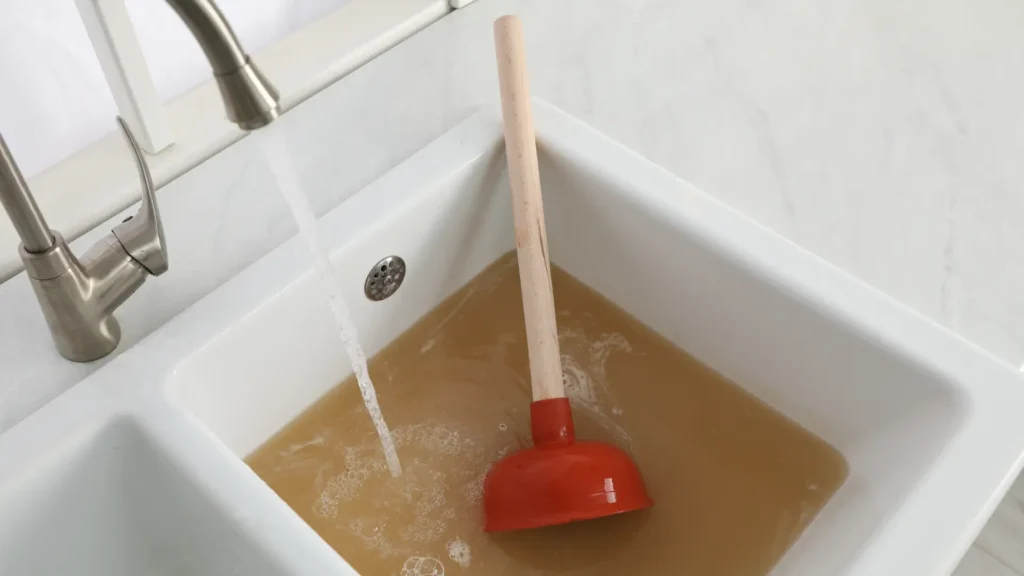
How To Prevent Blocked Drains Inside Your Home
Preventing blocked drains inside your home starts with small, consistent habits that stop buildup before it turns into a serious plumbing issue. Many indoor drain problems develop slowly from everyday use, which is why proactive household drain maintenance is one of the most effective ways to avoid blocked drains and keep water flowing freely throughout your home.
Kitchen Drain Prevention Tips
The kitchen is one of the most common sources of drain blockages due to grease, food scraps, and improper disposal habits. A few simple changes in how you use your sink can make a big difference.
- Never pour grease or oil down the sink: Grease and cooking oils may appear harmless when hot, but they cool and solidify inside pipes. Over time, this buildup narrows the pipe and traps food particles, increasing the risk of stubborn blockages.
- Use sink strainers: Sink strainers catch food scraps and debris before they enter the drain. Emptying them regularly into the bin helps prevent solid waste from accumulating inside your pipes.
- Rinse with hot water when appropriate: Running hot water briefly after washing dishes can help flush away light residue and reduce buildup. This works best as a preventative habit rather than a solution for existing clogs.
- Scrape plates before washing: Removing food waste from plates before rinsing keeps unnecessary solids out of your plumbing system and helps prevent blocked drains over time.
Bathroom Drain Prevention Tips
Bathroom drains are especially prone to blockages caused by hair, soap scum, and items that should never be flushed. Consistent maintenance helps reduce these common issues.
- Hair catchers for showers: Installing hair catchers in shower and bath drains prevents hair from entering the pipes, where it can bind with soap residue and cause blockages. Cleaning the catcher regularly keeps drains flowing smoothly.
- Avoid flushing wipes, cotton buds, and sanitary products: Even products marketed as flushable often do not break down properly. These items can become lodged in pipes and cause serious drainage problems.
- Regular cleaning habits: Cleaning bathroom drains and fixtures routinely helps prevent soap and residue buildup, reducing slow drainage and unpleasant odors.
Laundry Drain Care
Laundry drains handle large amounts of water along with lint, detergent residue, and fabric fibers. Paying attention to this area is an important part of overall household drain maintenance.
- Lint traps: Installing a lint trap on your washing machine hose captures fibers before they enter the drain, reducing the chance of lint combining with detergent residue and causing blockages.
- Avoid overuse of detergent: Using too much detergent can leave residue inside pipes, particularly in older plumbing systems. Following recommended amounts helps keep drains clear.
- Watch for slow drainage: Slow-draining water in the laundry area is often an early warning sign of a developing blockage. Addressing it early can help avoid blocked drains and more costly repairs later.
By maintaining these simple habits throughout your home, you can significantly reduce the risk of indoor drain blockages. Regular care not only helps prevent blocked drains but also protects your plumbing system, saving time, stress, and money in the long run.
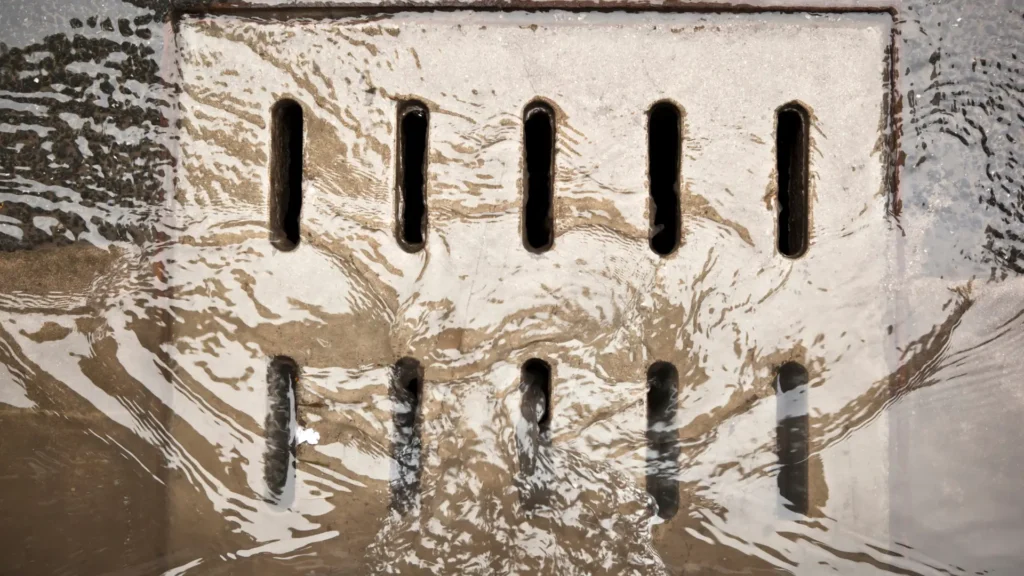
How To Prevent Blocked Outdoor & Stormwater Drains
Outdoor and stormwater drains are often overlooked until there is heavy rain and water has nowhere to go. In Auckland, where rainfall can be intense and vegetation grows quickly, keeping these drains clear is essential for preventing flooding, property damage, and costly plumbing repairs. Proper outdoor drain care requires regular attention and an understanding of how local conditions affect drainage systems.
Garden & Outdoor Drain Maintenance
Outdoor drains are exposed to natural debris year-round, which makes routine maintenance especially important for Auckland homes surrounded by trees and gardens.
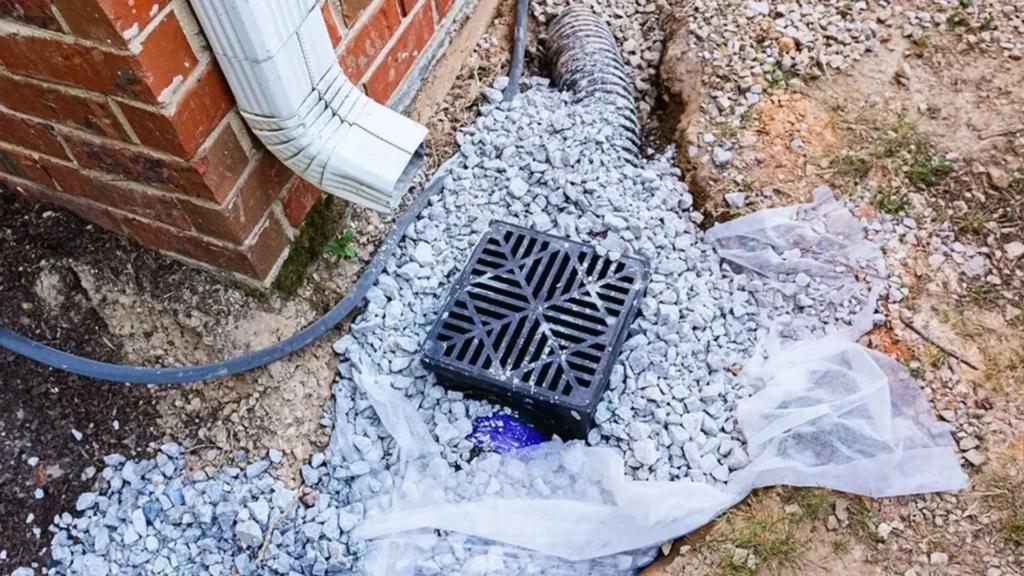
- Clearing Leaves And Debris:
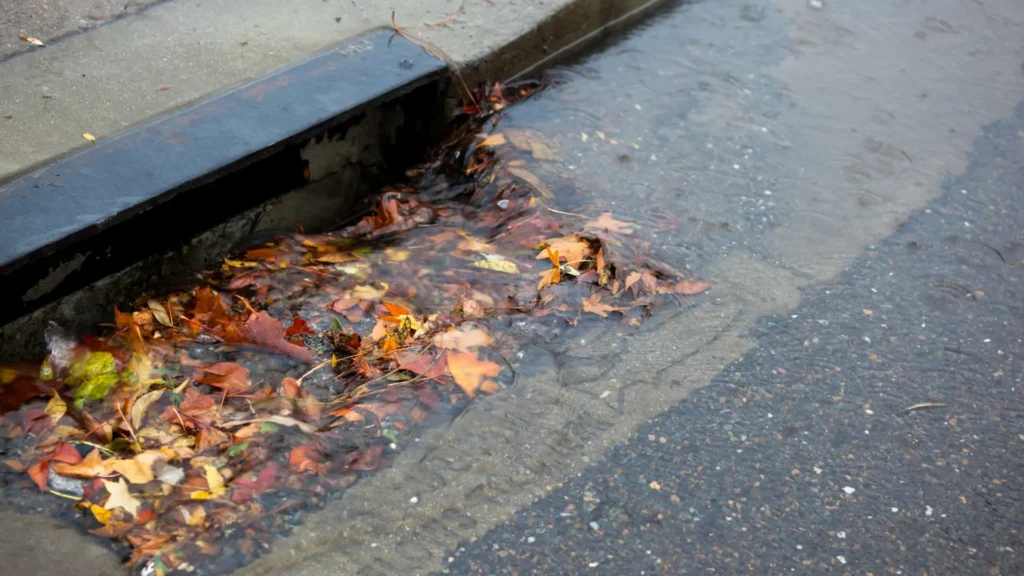
Leaves, grass clippings, and dirt can easily collect around outdoor drains and gully traps. When left unchecked, this debris forms compact blockages that stop water from draining away properly. Regularly clearing visible debris, especially after windy days or storms, helps keep water flowing freely and reduces the risk of sudden overflows. - Trimming Trees Near Pipes:
Tree roots are one of the most common causes of blocked outdoor drains in Auckland. Roots naturally grow toward moisture and can enter small cracks in older pipes, gradually causing severe blockages. Keeping trees and large shrubs trimmed and maintaining distance from underground pipes helps reduce root intrusion over time. - Checking Gully Traps:
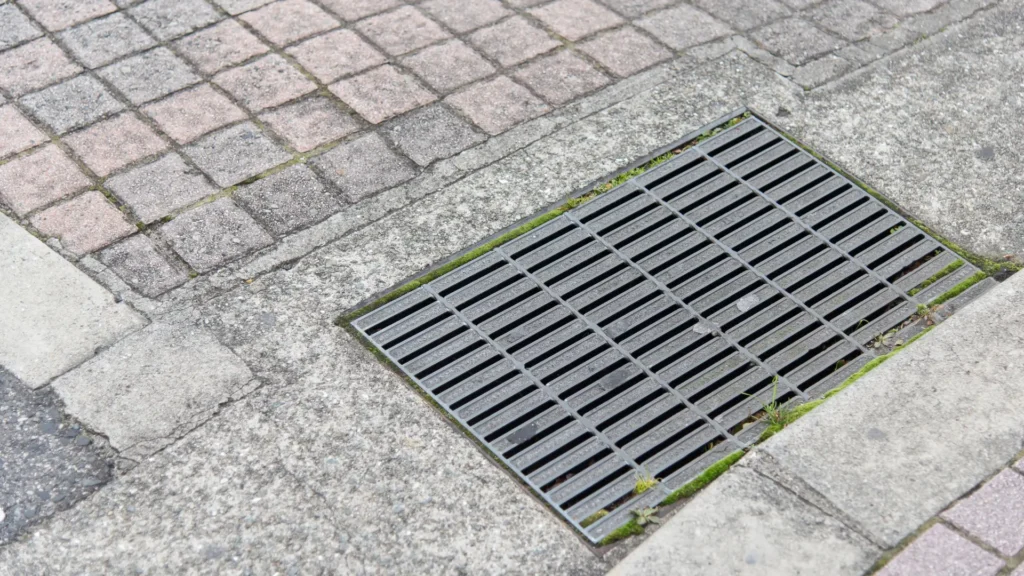
Gully traps are designed to catch debris before it enters the main drainage system, but they can become blocked if not inspected. Periodically checking that gully traps are clear and draining properly is a simple yet effective way to prevent outdoor drain issues from escalating.
Stormwater Drain Tips For Auckland’s Climate
Auckland’s climate creates unique challenges for stormwater drainage, making preventative measures especially important during wetter months.
- Preparing Drains Before Heavy Rain:
Stormwater drains should be checked and cleared before forecasted heavy rainfall. Even small obstructions can cause water to back up quickly during downpours, leading to flooding around driveways, patios, and foundations. - Why Stormwater Blockages Escalate Quickly In Auckland:
Auckland experiences sudden, heavy rain combined with leaf drop from dense vegetation. This means stormwater systems can become overwhelmed in a short period of time. When drains are partially blocked, water pressure builds rapidly, turning minor issues into serious flooding events. - Importance Of Seasonal Checks (Autumn And Winter):
Autumn brings falling leaves, while winter increases rainfall. Seasonal inspections during these times help catch problems early and ensure stormwater drains are ready to handle increased water flow. This proactive approach is especially important for older properties and areas with mature trees.
By staying proactive with outdoor and stormwater drain maintenance, Auckland homeowners can significantly reduce the risk of blockages and water damage. A few regular checks throughout the year can make a noticeable difference in keeping drains clear, protecting your property, and avoiding unexpected drainage problems when heavy rain hits.
DIY Drain Maintenance: What Works (And What to Avoid)
Taking care of your drains yourself can be effective when done correctly, especially if your goal is to prevent blocked drains in Auckland rather than fix a serious plumbing issue. Many minor blockages build up slowly and can be managed with safe, simple habits at home. However, not all DIY methods are equal. Some popular “quick fixes” can actually cause long-term damage to pipes, particularly in older Auckland homes. Knowing what works and what to avoid helps you protect your plumbing and avoid unnecessary repair costs.
Safe DIY Practices
- Hot Water Flushes:
Flushing your drains with hot water is one of the simplest ways to reduce grease and soap buildup. This works best in kitchen sinks, where fats and oils can cool and harden inside pipes. Running hot water for a minute after washing dishes helps break down residue before it has time to stick to pipe walls. While this is a helpful preventative habit, it should be done regularly rather than relied on as a solution for existing blockages. - Baking Soda And Vinegar (With Limitations):
Baking soda and vinegar can help loosen light buildup and neutralize odors in drains. When combined, they create a fizzing reaction that may dislodge minor debris. This method is most effective as part of routine drain maintenance, not as a fix for slow or recurring blockages. It is important to follow up with hot water and understand that this approach will not clear heavy grease, tree roots, or solid obstructions. - Plungers For Minor Blockages:
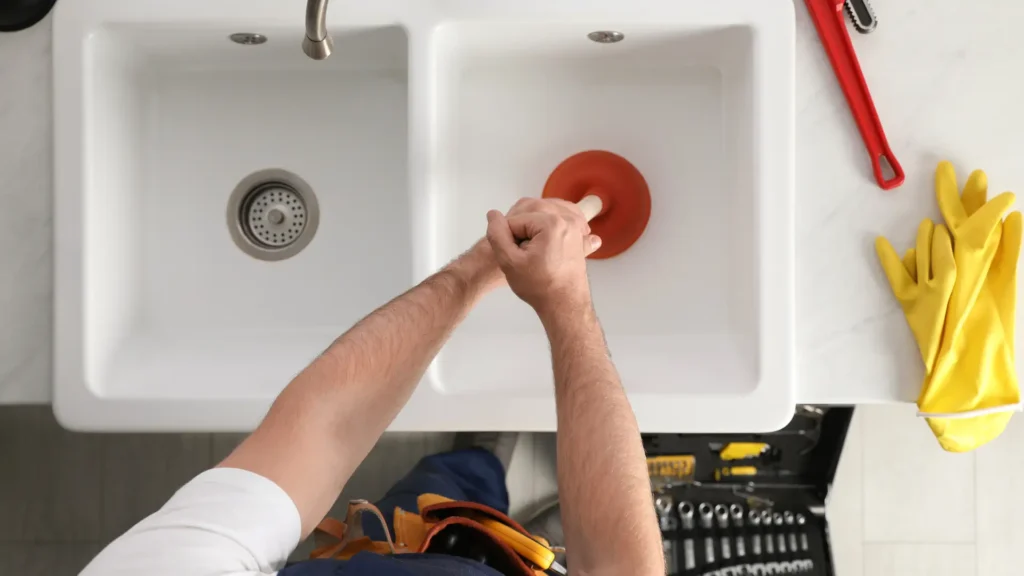
A plunger can be useful for clearing small clogs in sinks, toilets, and showers. When used correctly, plungers create pressure that can shift soft blockages without harming your pipes. The key is to use steady, controlled plunging rather than aggressive force. For minor issues, this is often enough to restore normal drainage without further intervention.
What Not To Do
- Overuse Of Chemical Drain Cleaners:
Chemical drain cleaners may seem convenient, but repeated use can damage pipes over time. These products generate heat and contain corrosive substances that weaken pipe materials, especially in older plumbing systems common across Auckland. While they may provide short-term relief, they often fail to remove the root cause of blockages and can make future problems more expensive to fix. - DIY Drain Snakes Without Experience:
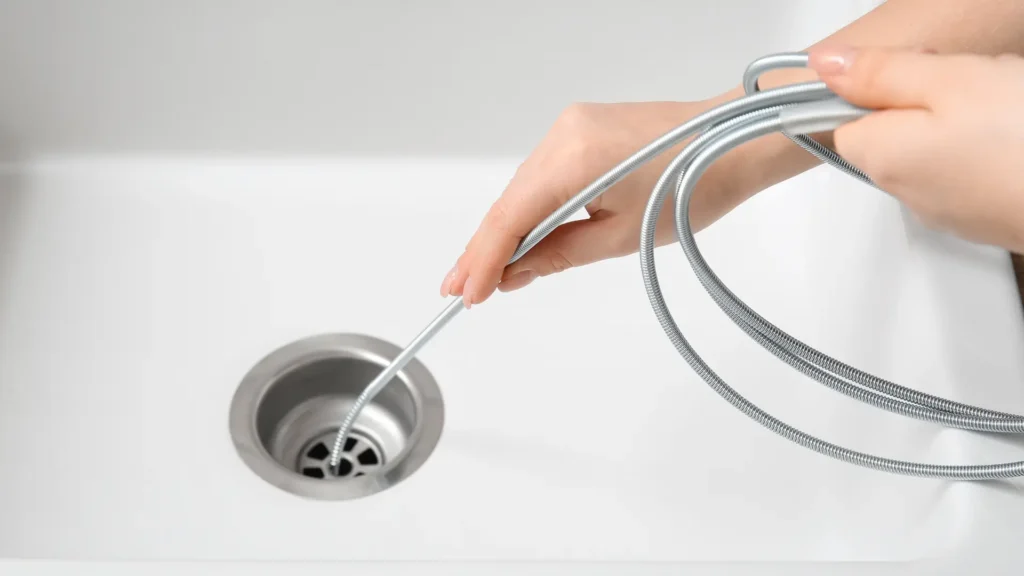
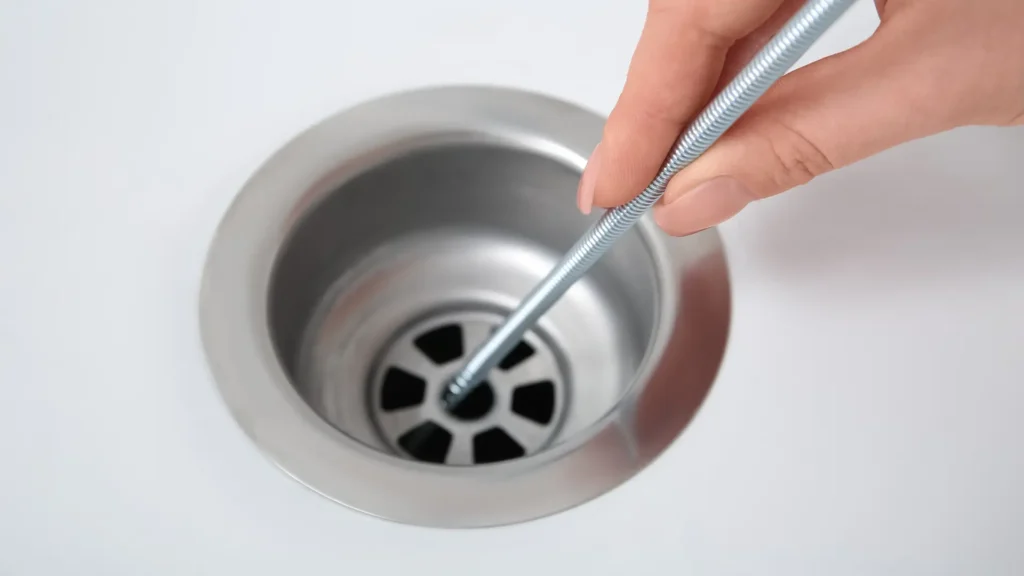
Using a drain snake without proper knowledge can do more harm than good. Incorrect use can scratch, crack, or dislodge pipes, leading to leaks or structural damage. In some cases, debris is pushed deeper into the system, making the blockage worse. Drain snakes are best left to trained professionals who understand pipe layouts and materials. - Ignoring Recurring Blockages:
One of the biggest mistakes homeowners make is ignoring repeated drainage issues. If the same drain keeps blocking, it usually signals a deeper problem such as pipe damage, tree root intrusion, or poor drainage design. Temporary DIY fixes may hide the symptoms but allow the underlying issue to worsen over time.
Many DIY methods cause long-term pipe damage because they treat symptoms rather than causes. Harsh chemicals erode pipe interiors, aggressive tools compromise structural integrity, and repeated pressure can weaken joints. Over time, this turns minor blockages into serious plumbing failures that require extensive repairs.
When To Call A Professional Drain Specialist In Auckland
Even with careful habits and regular maintenance, there are times when DIY drain care is no longer enough. Knowing when to call a professional drain specialist can help prevent small issues from turning into major and costly problems. In Auckland, certain warning signs often point to deeper drainage concerns that require expert knowledge and proper equipment.
Recurring Blockages That Keep Coming Back
When the same drain blocks repeatedly, it is usually a sign that the underlying issue has not been properly addressed. While temporary fixes may improve water flow for a short time, they rarely solve the root cause.
- Recurring blockages: These often indicate built-up debris, pipe damage, or tree roots that cannot be fully cleared using basic household methods. A professional inspection can identify the cause and provide a long-term solution.
Persistent Sewer Smells Inside Or Outside The Home
Unpleasant sewer smells should never be ignored, as they often point to drainage problems hidden below the surface. These odours can affect comfort and may signal more serious issues.
- Sewer smells: Ongoing smells may be caused by trapped waste, damaged pipes, or ventilation issues that allow sewer gases to escape. A drain specialist can locate the source and resolve it safely.
Overflowing Drains And Gully Traps
Overflowing drains are a clear sign that your drainage system is under strain and unable to cope with normal water flow.
- Overflowing drains: This typically occurs when a blockage forces wastewater to escape through the nearest outlet, increasing the risk of mess, contamination, and property damage.
Flooding During Heavy Rain
Auckland’s heavy rainfall can quickly expose weaknesses in stormwater and drainage systems, especially if they are already partially blocked.
- Flooding during rain: Pooling water around drains, driveways, or lawns often indicates blocked or damaged stormwater pipes that require professional attention.
Tree Root Damage To Drain Pipes
Tree root intrusion is one of the most common causes of serious drain damage in Auckland, particularly in older homes with aging pipes.
- Tree root damage: Roots can enter small cracks in pipes, causing blockages and long-term structural damage that usually cannot be resolved without specialist equipment.
Why Professional Help Makes Sense Long Term
Calling a professional drain specialist is not about unnecessary work, but about ensuring problems are handled correctly and safely.
- Safety and expertise: Trained specialists use the right tools and methods to reduce health risks and prevent further pipe damage.
- Long-term cost savings: Proper diagnosis and repair help avoid repeat blockages, emergency call-outs, and expensive repairs in the future.
Knowing when to step beyond DIY solutions allows you to protect your home and drainage system more effectively. By acting early and relying on professional expertise when needed, you can keep your drains flowing smoothly and avoid avoidable disruptions.
How Regular Drain Maintenance Saves Money Long-Term
Regular drain maintenance is often overlooked because it does not feel urgent, yet it plays a major role in protecting your home and your finances. Many homeowners only react when a drain is already blocked, but by that point, the damage and costs are usually much higher. A preventative approach helps avoid unnecessary expenses, reduces stress, and keeps your plumbing system working efficiently over time.
Emergency Call-Outs Cost More
When a drain becomes fully blocked, it often turns into an emergency situation. These issues tend to happen unexpectedly and rarely at a convenient time. Emergency plumbing call-outs usually come with higher fees due to urgency, after-hours labour, and the need for immediate solutions. In some cases, plumbers must act quickly to prevent flooding or sewage overflow, which can increase repair complexity and cost. Regular drain maintenance helps detect early warning signs, reducing the chances of sudden emergencies that force homeowners into paying premium rates.
Small Maintenance Prevents Major Repairs
Minor blockages caused by grease, soap residue, hair, or debris can slowly build up inside pipes. While they may not cause immediate problems, they create ongoing pressure within the drainage system. Over time, this pressure can lead to cracked pipes, collapsed drains, or severe root intrusion. These larger issues often require extensive repairs, including pipe replacement or excavation, which are far more expensive and disruptive. Routine maintenance keeps drains clear and allows small problems to be resolved before they develop into major repairs.
- Lower repair costs: Fixing small blockages early is significantly cheaper than repairing damaged or collapsed pipes.
- Longer pipe lifespan: Regular cleaning reduces stress on pipes, helping them last longer.
- Fewer unexpected issues: Preventative care minimizes surprise plumbing failures that disrupt daily life.
Prevents Water Damage and Health Issues
Blocked drains can cause water to overflow into areas where it does not belong, such as bathrooms, kitchens, or outdoor foundations. Even minor overflows can lead to costly water damage over time, affecting flooring, walls, and structural elements. Beyond property damage, standing water and sewage backups can create unhealthy conditions by encouraging mold growth and bacteria. Keeping drains well maintained ensures wastewater flows away properly, protecting both your home and the people living in it.
- Reduced risk of water damage: Clear drains prevent leaks, overflows, and moisture-related damage.
- Healthier indoor environment: Proper drainage limits exposure to bacteria, mold, and unpleasant odors.
- Lower long-term risk: Preventing damage can help avoid insurance claims and future repair costs.
In the long run, regular drain maintenance is a practical and cost-effective habit. By addressing small issues early, homeowners can avoid expensive emergencies, protect their property, and maintain a healthier living environment. Consistent preventative care may seem minor, but it delivers long-term savings and peace of mind.
Blocked drains are easier—and far cheaper—to prevent than to fix after the damage is done. If you want peace of mind knowing your drains are protected against Auckland’s unique conditions, visit our website today to learn how our experienced team can help.
References
- Comprehensive Guide to Tackling Blocked Drains in Auckland
https://auckland.plumbing/comprehensive-guide-to-tackling-blocked-drains-in-auckland/ (Auckland Plumbers) - Drain Maintenance Checklist for Clog Prevention
https://plumbingsniper.com/drain-maintenance-checklist-for-clog-prevention/ (Plumbing Sniper) - Blocked Drains in Auckland – Tips, Tricks, and Expert Solutions
https://regencyplumbing.co.nz/blocked-drains-in-auckland/ (Regency Plumbing Services) - How to Prevent Clogged Drains – 10 Pro Tips
https://mgp.co.nz/how-to-prevent-clogged-drains-10-pro-tips/ (MGP) - Top 10 Drain Maintenance Tips for Auckland Homeowners
https://plumbersauckland.co.nz/top-10-drain-maintenance-tips-for-auckland-homeowners/ (plumbersauckland.co.nz)
FAQs: About How To Prevent Blocked Drains In Auckland
What are the main causes of blocked drains in Auckland?
Blocked drains in Auckland are commonly caused by grease and food scraps, hair and soap buildup, wet wipes, tree roots, heavy rainfall, and aging pipes found in many older homes.
How can I prevent blocked drains in my kitchen?
You can prevent kitchen drain blockages by never pouring oil or grease down the sink, using a sink strainer, scraping food off plates, and flushing the drain with hot water regularly.
Are blocked drains more common in Auckland during winter?
Yes, blocked drains are more common in winter due to heavy rainfall, stormwater debris, and increased pressure on outdoor and stormwater drainage systems.
Can tree roots really block underground drains?
Yes, tree roots are a major cause of blocked drains in Auckland. Roots naturally seek moisture and can crack or invade older pipes, causing severe blockages over time.
Are chemical drain cleaners safe to use?
Chemical drain cleaners may offer short-term relief but can damage pipes, especially older ones. Frequent use can worsen problems rather than prevent blocked drains.
How often should household drains be maintained?
Basic drain maintenance should be done regularly, with professional inspections recommended every 1–2 years, or sooner if you notice recurring drainage issues.
What are early warning signs of a blocked drain?
Early signs include slow drainage, gurgling sounds, unpleasant smells, water backing up, or outdoor drains overflowing after rain.
Can blocked drains cause health problems?
Yes, blocked drains can lead to bacteria buildup, mold growth, and unpleasant odors, which may pose health risks if left untreated.
Is DIY drain cleaning effective for prevention?
Simple DIY steps like using drain strainers, hot water flushing, and clearing outdoor debris are effective for prevention, but recurring blockages usually need professional help.
When should I call a professional drain specialist in Auckland?
You should call a professional if blockages keep returning, drains overflow, foul smells persist, or water backs up during heavy rain, as these often indicate deeper issues.
Conclusion
Staying proactive is the simplest and most effective way to prevent blocked drains in Auckland and avoid the stress, inconvenience, and expense that often come with unexpected plumbing issues. By understanding the common causes of blockages, watching for early warning signs, and adopting everyday habits like proper waste disposal and regular drain checks, you can significantly reduce the risk of problems developing over time. Preventative care not only helps keep your drains flowing freely but also protects your property from water damage and extends the lifespan of your plumbing system. If you want extra peace of mind, arranging routine inspections or maintenance checks can catch small issues before they escalate into major repairs. Taking action early is an investment in your home’s long-term health and a simple step toward hassle-free drainage year-round.