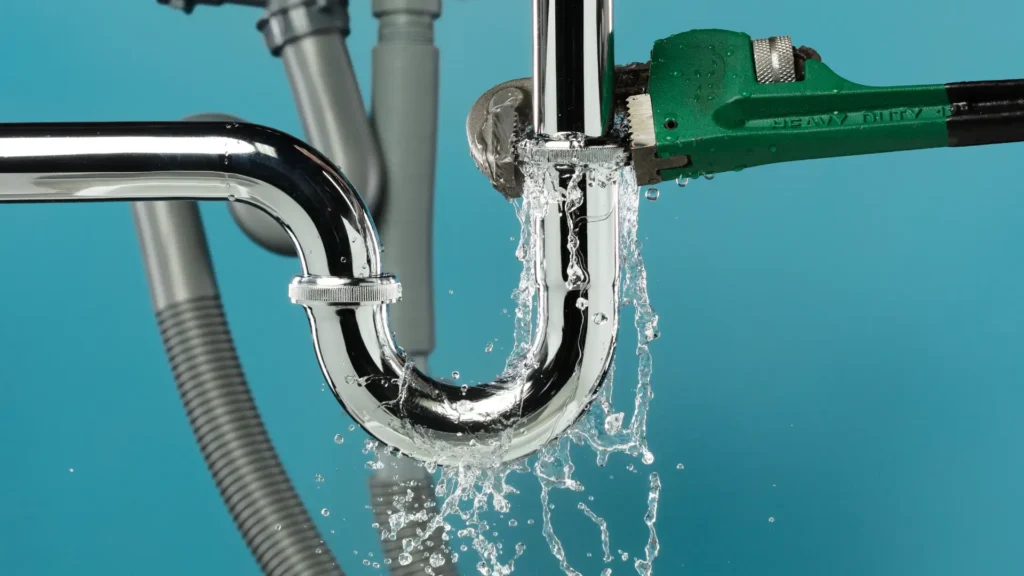

Welcome to your practical guide to plumbing rates in Auckland, where you’ll learn what typical costs look like, why prices vary so much across the city, and how to make smart decisions when hiring a plumber so you never overpay or feel caught off guard by hidden charges. Many Auckland homeowners feel unsure about what a fair rate should be, especially when quotes differ from one plumber to another, so this guide breaks down the real factors that influence pricing, the average costs for common jobs, and simple ways you can check whether a quote is reasonable. You’ll also see how labour, materials, call-out fees, and emergency surcharges work, plus a few small steps that help you avoid paying more than you need to. By the end, you’ll feel confident comparing quotes, asking the right questions, and choosing a plumber who fits your needs and your budget.
Plumbing rates in Auckland vary based on the job type, time of service, materials used, and the plumber’s experience. Most licensed plumbers charge an hourly rate, with extra costs for call-outs, after-hours work, and specialised repairs. Homeowners can expect higher prices for urgent jobs or complex installations, while simple fixes usually fall on the lower end of the range.
Table of Contents
Why Plumbing Rates Vary In Auckland
Plumbing costs across Auckland shift for many reasons, and there is no single national price you can rely on. Each job comes with its own level of work, time, and materials, which means two homes with the same issue may still receive different quotes. Understanding these factors helps you compare prices with confidence and choose a plumber who fits your needs.
Factors Influencing Cost
When you look at plumbing rates in Auckland, several elements shape the final price you pay. These include:
- Job type
- Time of day or urgency
- Materials used
- Plumber experience and licensing
- Travel distance or location in Auckland
Job Type
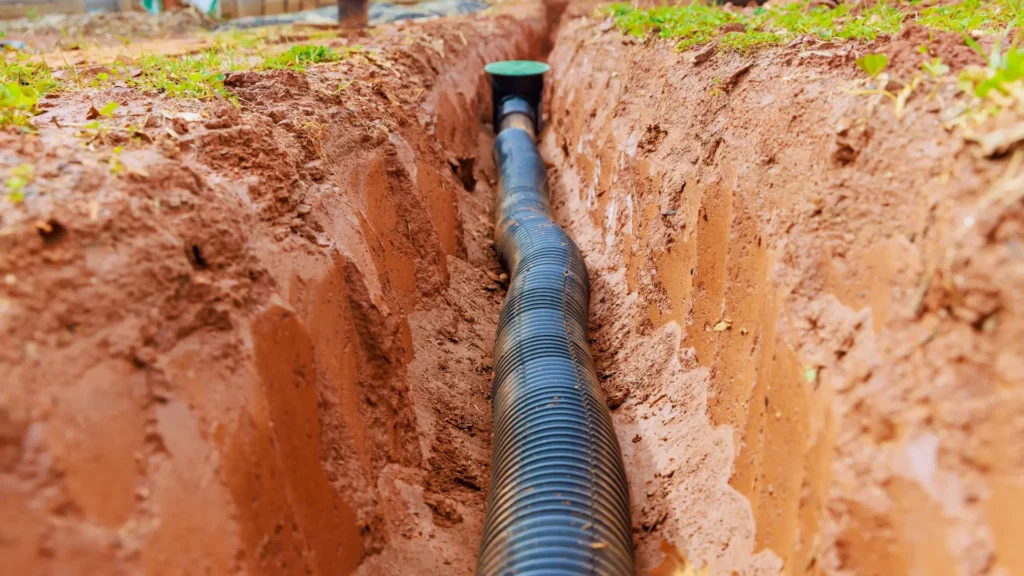
A simple repair usually takes less time and fewer materials. A leaking tap, a loose fitting, or a minor pipe adjustment often stays within standard hourly pricing. Larger projects require more labour and planning. Full bathroom installations, pipe replacements, or stormwater upgrades involve multiple steps, specialist tools, and a longer work schedule.
Time Of Day Or Emergency Calls
Urgent work often increases the total cost. After-hours calls, weekend visits, and public holiday requests raise the rate because plumbers need to be on standby and respond immediately. Homeowners typically pay a higher call-out fee during these times, especially if the issue threatens water damage.
Materials Used
The type of materials used affects the overall price. Plumbers may offer a range of options:
- Standard materials
- Premium or specialised materials
Standard parts work well for basic repairs, while premium materials may last longer or meet higher building requirements. Choosing between them changes both the upfront cost and the long-term value of the repair.
Plumber Experience And Licensing
Experienced and fully licensed plumbers often charge more for their expertise. They complete work more efficiently, identify problems quickly, and reduce the risk of repeat issues. Licensed professionals also meet safety and compliance standards, which is essential for insurance and long-term home maintenance.
Travel Distance Or Location Within Auckland
Where you live influences your plumbing cost. Homes in remote or high-traffic areas may face higher call-out fees due to longer travel times. Plumbers often factor travel into their hourly rate, especially when jobs require multiple visits.
Real-World Example
A basic tap repair often sits at the lower end of Auckland’s pricing because it requires minimal labour and standard parts. In comparison, a full bathroom plumbing job costs significantly more. It involves planning, installation, testing, and collaboration with other trades. It also uses a wider range of materials and takes far longer to complete.
A clear understanding of these factors makes it easier to compare quotes and choose a plumber who offers fair value.
Typical Plumbing Rates In Auckland (2025)
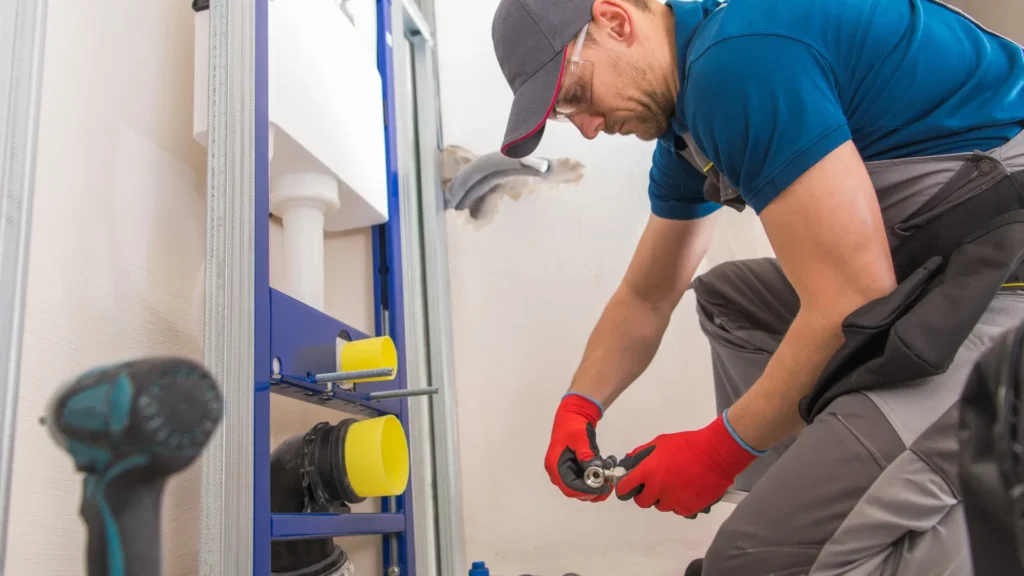
Plumbing costs in Auckland follow clear patterns, and knowing these ranges helps you plan your budget with confidence. Prices differ based on skills, job complexity, and timing. This section shows what most homeowners can expect to pay in 2025 and why some tasks cost more than others.
Hourly Rate Range For Licensed Plumbers
Licensed plumbers in Auckland usually charge within a predictable range. The final amount depends on experience, travel time, and the type of work involved. Many plumbers set a standard weekday rate and a higher rate for urgent or late-night jobs.
Rates often fall within:
- Standard hourly rate
- After-hours hourly rate
- Weekend or holiday rate
Flat Fee Examples For Common Jobs
Some tasks are simple enough for plumbers to offer a fixed price. These fees help you avoid surprises and understand what the job might cost from the start.
Common flat-fee categories include:
- Minor repairs
- Drain work
- Fixture replacements
- Installations for kitchens or bathrooms
Tap Repairs
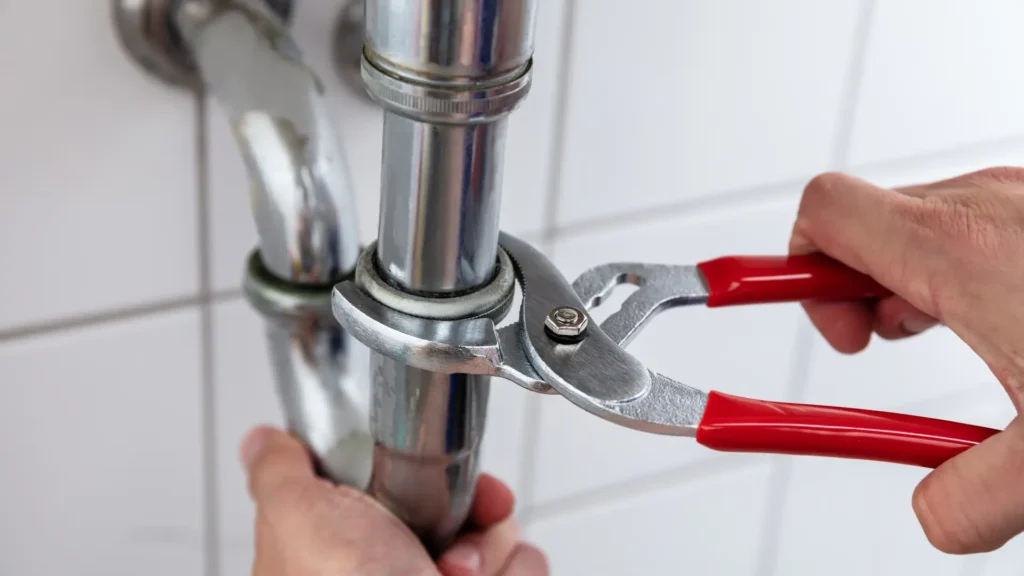
Tap problems are common, and most repairs fall into a predictable cost range. Small tasks like replacing washers or cartridges are usually quick. More complex taps or older systems take longer, which may raise the price.
Tap repair costs often include:
- Labour time
- Replacement parts
- Call-out charge if applied
Blocked Drains
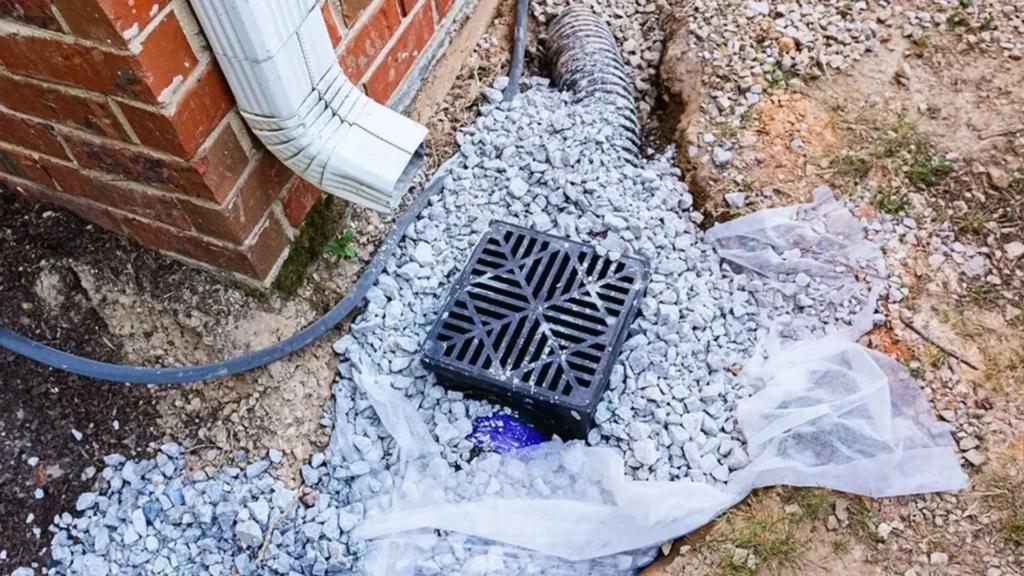
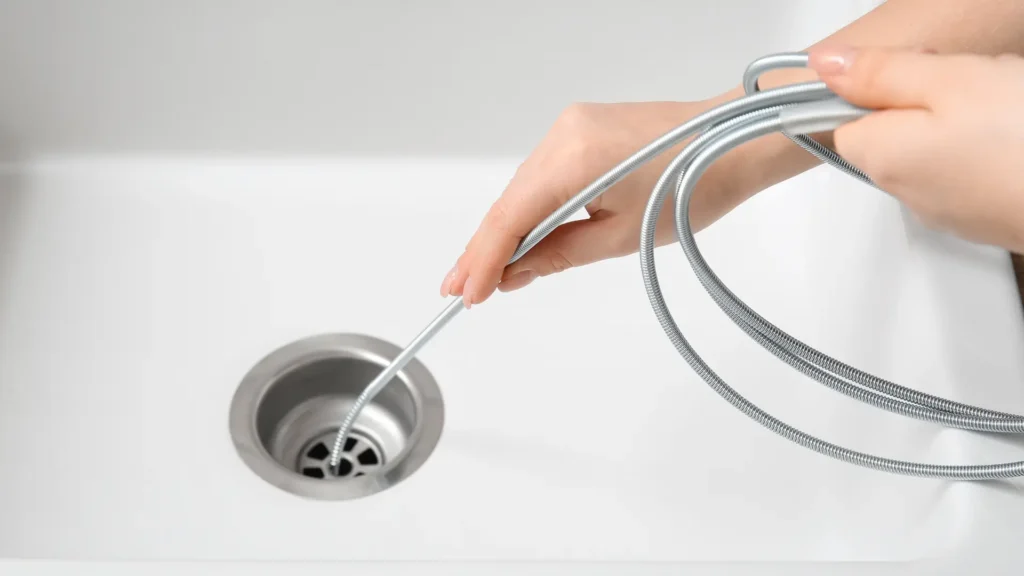
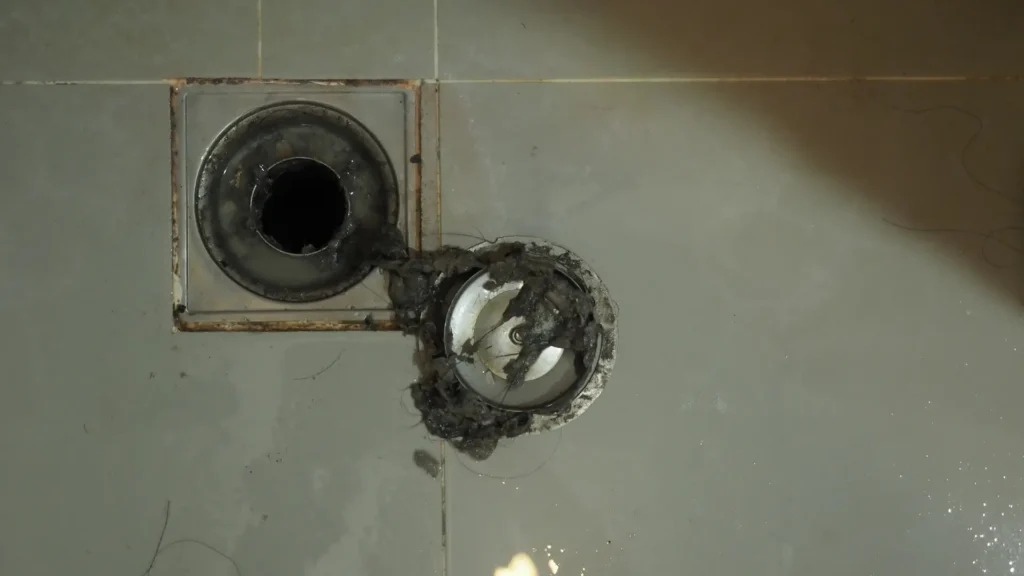
Drain blockages vary from simple to severe. Easy blockages cost less, while deeper issues may need specialist equipment such as cameras or hydro jets.
Blocked drain fees often reflect:
- Level of blockage
- Tools required
- Time spent on site
Bathroom Or Kitchen Plumbing Installs
New installations usually cost more because they involve multiple steps. Jobs like fitting sinks, taps, dishwashers, showers, or waste systems require skill and careful setup.
Installation pricing often covers:
- Labour hours
- Parts and fittings
- Removal of old fixtures if needed
Emergency Call Outs
Urgent plumbing issues cost more due to the immediate response required. These fees apply outside standard work hours or when the job cannot wait.
Emergency call out pricing may include:
- Higher hourly rate
- Call-out surcharge
- Extra labour if the job takes longer
What You Might Pay For Materials And Parts
Materials can add to your final bill if they are not included in the labour cost. Basic parts are affordable, while premium or imported items cost more.
Material costs often relate to:
- Type of fixture
- Quality level
- Supplier pricing in Auckland
Regional Differences Inside Auckland
Rates can shift depending on your suburb. Plumbers closer to the central area may charge differently than those servicing outer suburbs due to travel time and demand.
Regional pricing differences might reflect:
- Distance from the plumber
- Local competition
- Traffic and travel time
A clear view of these costs helps you plan ahead and choose the right plumber for your needs. Let me know if you want a version that includes real price ranges for each category.
What’s Included In Plumbing Rates
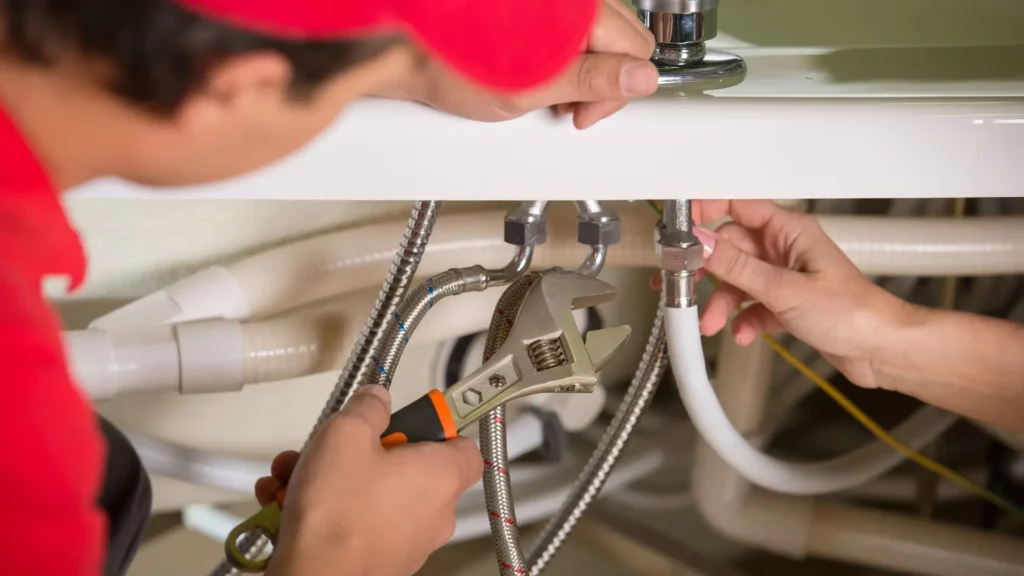
This section gives you a clear picture of how plumbers build their pricing so you know exactly what you’re paying for. Each part of the cost reflects time, skill, materials, and the conditions of the job. Understanding these details helps you read quotes with confidence and avoid surprises on the final invoice.
Labour Cost Vs Materials Cost
Labour and materials are the two main parts of a plumbing bill, and they work together to shape the final price.
- Labour covers the plumber’s time, experience, and the complexity of the work.
- Materials include the parts used during the job, such as fittings, pipes, valves, or replacement fixtures.
Labour usually makes up the bigger portion of the total, especially for tasks that require skill or extra time. Materials can raise the price when the job needs high-quality parts or specialised components. When you compare quotes, check how the plumber balances these two items so you can judge value fairly.
Standard Vs Premium Materials: What Affects Price
The materials chosen for a job have a direct impact on cost. The right choice depends on your goals, budget, and how long you want the repair or installation to last.
- Standard materials are cost-effective and suitable for everyday repairs.
- Premium materials last longer, resist damage, and perform better in demanding conditions.
You might pay more upfront for premium options, but they often reduce the need for future repairs. Ask your plumber which materials they recommend and why, and check whether the price difference aligns with your long-term plans.
Call-Out Or After-Hours Fees: When To Expect Extra Charges
Some plumbing jobs need urgent attention, and this can lead to extra charges. These fees help cover the disruption, travel time, and the need for immediate service.
- Call-out fees apply when a plumber comes to your home for an initial assessment.
- After-hours fees apply on weekends, evenings, or public holidays.
- Urgent or emergency visits may include higher rates because they take priority over scheduled work.
If your issue is not time-sensitive, you can often avoid these fees by booking a standard appointment window.
Quote Vs Final Invoice: How To Check What’s Included
A clear quote protects you from unexpected costs. It should outline each part of the job so you know exactly what you are agreeing to.
- Labour hours and the hourly rate
- Cost of materials and the type used
- Call-out or travel fees
- After-hours fees if they apply
- Any other charges tied to the job
When the work is done, compare the final invoice with the original quote. If anything changed, ask for a short explanation. Good plumbers provide clarity and keep you informed when adjustments are needed.
How To Get A Fair Price
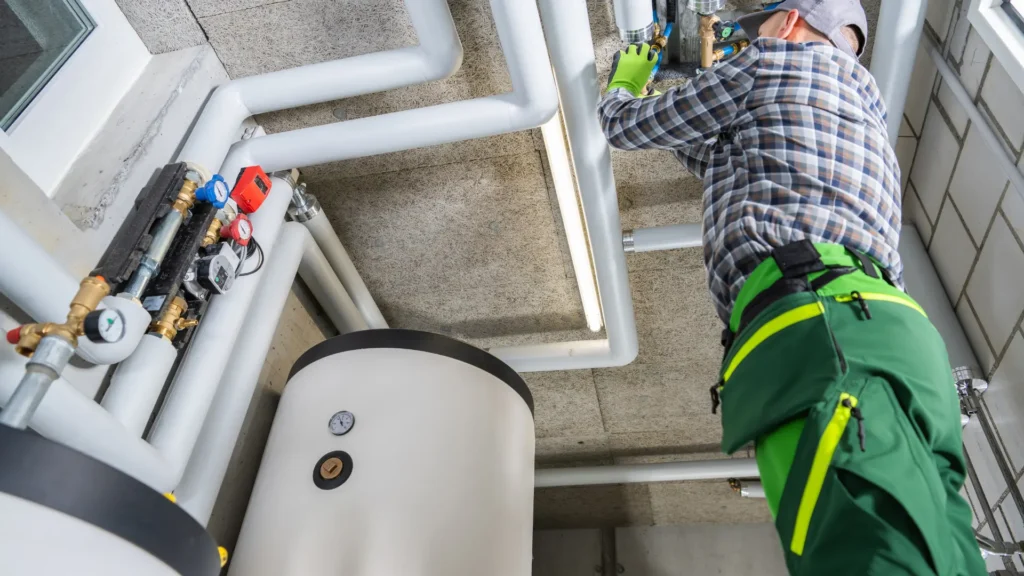
Many homeowners find it hard to compare plumbing rates, especially when quotes vary from one company to another. This section gives you simple steps you can follow so you feel confident about the price you pay and the person you hire.
Get Multiple Quotes To Compare
Gather quotes from at least three plumbers in your area. This helps you see the average price for your job. You also spot outliers that seem too cheap or too high. When you compare quotes side by side, patterns show up right away. Some plumbers include materials, while others list only labour. Some add a call-out fee, while others skip it. You get a clearer view when you have more than one option in front of you.
Ask For Itemised Quotes
Ask each plumber to break down the cost into clear parts:
- Labour
- Materials
- Call-out fees
- Extra charges that may apply
Itemised quotes show exactly where your money goes. You can check if the labour time makes sense and whether material prices look fair. When everything is listed, you avoid surprises at the end of the job.
Confirm The Plumber’s Licence And Credentials
Always check if the plumber holds a current licence. A licensed professional has the training needed to follow local standards. You reduce the chance of poor workmanship or repeat repairs. You can ask for a licence number or look it up on official registers. A quick check gives you peace of mind before work starts.
Check Reviews Or Ask For References
Look at recent customer feedback. Reviews tell you how the plumber communicates, how they handle problems, and how they treat their clients. You can also ask for references from past jobs. A reliable plumber will share contact details of previous customers who can speak about their work quality.
Ask About Guarantees Or Warranties
Ask the plumber if they offer a guarantee on labour or materials. Guarantees show confidence in their work. They also protect you if a problem returns after the job is complete. A short discussion about warranties can save you money in the long run.
Understand What You’re Paying For
Make sure you know what each part of the quote covers. Ask the plumber to explain the job in plain language so you know why the cost is set at that level. This helps you avoid paying premium prices for simple tasks. When you understand the scope, you know the value of what you are buying.
When you compare options, ask clear questions, and check credentials, you place yourself in a strong position to secure fair pricing and reliable service.
Common Mistakes That Increase Plumbing Costs
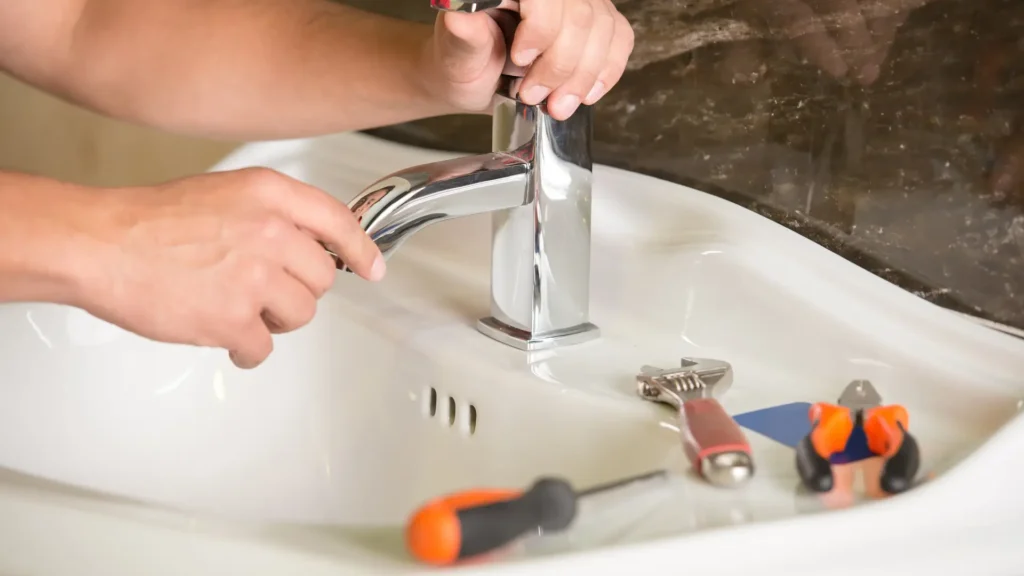
Small choices can raise your plumbing bill without you noticing. When homeowners rush decisions or delay repairs, the final cost often rises. This part explains the habits that lead to bigger invoices and how you can avoid them.
Waiting Until Small Issues Escalate
Minor plumbing issues often turn into expensive repairs when left unresolved. A slow drip, a loose fitting, or a small crack may seem harmless, but each one can grow into a larger problem.
- Increased water waste
- Damage to walls, floors, or cabinets
- Higher repair costs due to worsening damage
Fixing issues early keeps your plumbing stable and prevents larger expenses later.
Choosing The Cheapest Option Without Checking Quality Or Credentials
Price alone doesn’t show a plumber’s skill or reliability. Choosing the lowest quote can lead to incomplete work, repeat visits, and more spending later.
- Ask about experience
- Confirm licence details
- Check customer feedback
Quality work usually saves you money over time because the repairs last longer.
Not Asking For A Breakdown Of Costs
A clear breakdown helps you understand what you are paying for. Without it, you may miss hidden charges or unnecessary items.
- Labour cost
- Materials used
- Call-out fees
- Extra charges for complex tasks
Always request an itemised quote so you can compare prices and make better decisions.
Accepting Verbal Estimates Only
Verbal estimates often lead to disputes or surprise charges. A written quote provides clarity and protects you from unexpected costs.
- Ask for a written breakdown
- Confirm what is included
- Keep a copy for reference
This simple step creates transparency and helps you stay within your budget.
Hiring During Peak Hours Or Emergencies Without Planning
Emergency or after-hours calls usually cost more. While some issues require immediate action, many non-urgent tasks can be scheduled during regular hours.
- Plan small repairs in advance
- Book weekday appointments
- Avoid last-minute requests when possible
Smart scheduling keeps costs lower and reduces pressure on your budget.
How To Budget For Plumbing Projects In Auckland
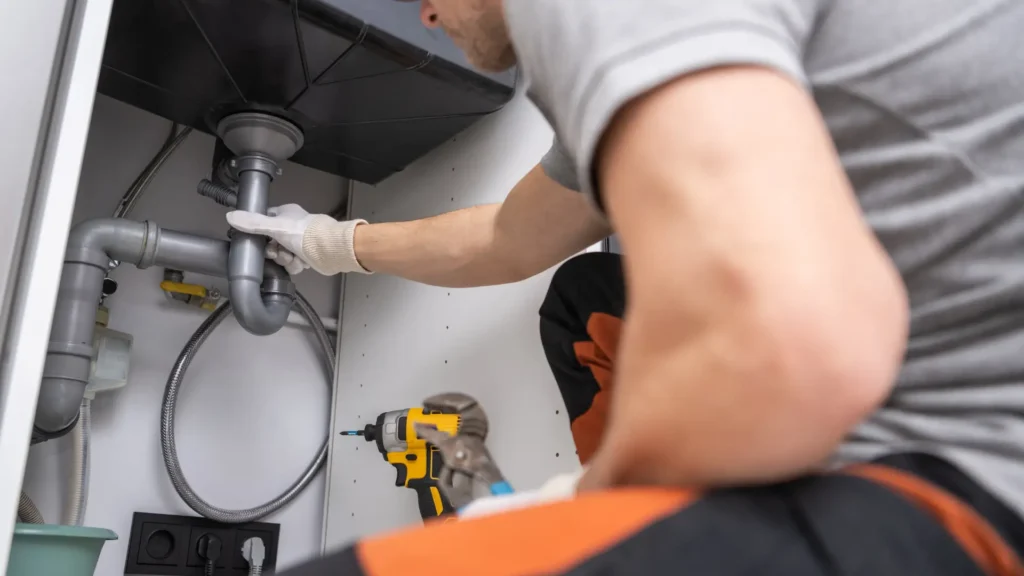
Planning your budget before any plumbing work starts helps you stay in control of costs and avoid surprises. Auckland homes vary in age, layout, and material quality, which means plumbing jobs can shift in price once work begins. A clear budget gives you room to handle small issues, choose the right materials, and schedule work at the best time. When you prepare ahead, you reduce the risk of delays and unexpected bills.
Create A Buffer
Building a small financial cushion protects you from surprises that often appear during plumbing work. Older homes may hide worn pipes, water damage, or fittings that no longer meet current standards. These issues often surface only after the job begins. To stay prepared, plan for extra costs such as:
- Additional materials
- Hidden repairs
- Upgrades needed to complete the job safely
A buffer of ten to twenty percent is usually enough to keep your project on track without stress.
Plan Non-Urgent Jobs For Affordable Times
If the job is not urgent, you can lower your spending by choosing the right time for the work. Plumbers often charge higher rates during evenings, weekends, and public holidays. You can save money by scheduling during regular weekday hours. This also gives plumbers more flexibility, reducing the chance of rushed work or premium rates.
Consider Preventive Maintenance
Regular checkups keep your plumbing system healthy and help you avoid big repair bills later. A small leak, loose fitting, or blocked drain can grow into a costlier issue if ignored. Preventive maintenance catches these problems early and reduces the need for emergency service. Simple tasks like checking water pressure, inspecting valves, or clearing slow drains can extend the life of your system.
Keep A Maintenance Log
A written record helps you track your plumbing history and spot patterns before they turn into expensive repairs. This record should include:
- Date of service
- Work completed
- Total cost
- Plumber or company who performed the job
A log helps you compare past rates, understand ongoing issues, and plan future upgrades with confidence.
Want clear pricing and trusted service from qualified Auckland plumbers? Visit our website to compare options, request a fast quote, and find the right expert for your job today.
References
- NZ Plumber Hourly Rates in 2025 – What You’ll Actually Pay
https://flowpro.co.nz/what-you-need-to-know-about-plumbers-hourly-rates-in-new-zealand-2025/ - How Much Does Plumbing Repair Cost? Full Price Breakdown
https://aplumbernearme.co.nz/how-much-does-plumbing-repair-cost/ - Plumbing Costs in New Zealand 2025: Complete Price Guide
https://plumbingquotes.co.nz/plumbing-costs-nz-2025/ - Auckland Plumbing Costs: Understanding Hourly Rates and How to Compare for Quality Service
https://craigplumbing.co.nz/2023/06/06/auckland-plumbing-costs-understanding-hourly-rates-and-how-to-compare-for-quality-service/ - Plumbing Rates In NZ: Average Costs And What To Expect
https://waterleakdetectionauckland.co.nz/plumbing-rates-nz/
FAQs: About Plumbing Rates In Auckland
What affects plumbing rates in Auckland?
Plumbing rates change based on job type, labour time, materials, location, and whether the job is urgent or after-hours.
How much do plumbers usually charge in Auckland?
Most licensed plumbers charge an hourly rate, with extra fees for call-outs and emergency work.
Do plumbers in Auckland charge call-out fees?
Yes, many plumbers add a call-out fee to cover travel and initial assessment.
Why are emergency plumbing services more expensive?
After-hours or urgent work requires immediate response, which increases labour cost.
Are flat-rate plumbing prices available in Auckland?
Some plumbers offer flat rates for simple jobs like tap repairs or blocked drains.
How can I avoid overpaying for plumbing work?
Request itemised quotes, compare multiple plumbers, and ask what materials and labour are included.
What should I ask before hiring a plumber?
Confirm licence status, experience, warranties, and what the final price includes.
Do materials increase the overall plumbing cost?
Yes, the type and quality of materials can raise or lower the total cost.
Can I get a written quote before work starts?
Most plumbers provide written quotes on request, which helps prevent cost surprises.
How do I know if a plumber’s rate is fair?
Check typical Auckland pricing, compare quotes, and review the plumber’s experience and customer feedback.
Conclusion
Plumbing rates in Auckland shift based on the job, the materials used, and when the work takes place, so taking a moment to review itemised quotes, compare a few plumbers, and check for possible hidden fees gives you a clearer sense of what you are paying for and helps protect your budget while still getting quality service. This guide is here to help you move through the process with confidence, giving you the information you need to plan ahead and avoid surprises. If you have dealt with plumbing work in Auckland, you can share your experience, ask questions, or offer tips for others who may be facing similar decisions.