
Welcome to your complete guide on understanding gas fitter cost Auckland, where we break down exactly what you should expect to pay, what affects pricing, and how to make confident, informed decisions when hiring a gas fitter. Whether you’re installing a new gas appliance, repairing an existing system, or simply budgeting for compliance work, gas fitting is not an area where guesswork or shortcuts are worth the risk. Costs in Auckland can vary depending on the type of job, urgency, property setup, and certification requirements, which is why many homeowners and property managers feel unsure about what’s reasonable. This guide is designed to give you clear, practical insight without technical jargon so you understand where your money goes, how to avoid unexpected charges, and how to choose a licensed professional who prioritises safety, quality, and compliance over cheap fixes.
Gas fitter costs in Auckland typically range from $90 to $150 per hour, with total job costs depending on the type of service, materials required, and whether compliance certification is needed. Simple repairs may cost a few hundred dollars, while full installations or compliance work can cost more due to labour, parts, and safety checks.
Table of Contents
What Is A Gas Fitter & Why You Need One
A gas fitter is a trained and licensed professional who installs, maintains, repairs, and certifies gas systems and appliances in residential and commercial properties. In Auckland and across New Zealand, gas fitting is not just a trade service but a regulated safety-critical profession, as gas systems directly affect health, property safety, and legal compliance. Hiring a qualified gas fitter ensures your gas work is completed safely, efficiently, and in line with current regulations, reducing the risk of leaks, faults, or costly compliance issues later on.
What A Licensed Gas Fitter Does
A licensed gas fitter is responsible for a wide range of tasks that go far beyond simply connecting appliances. Their work typically includes:
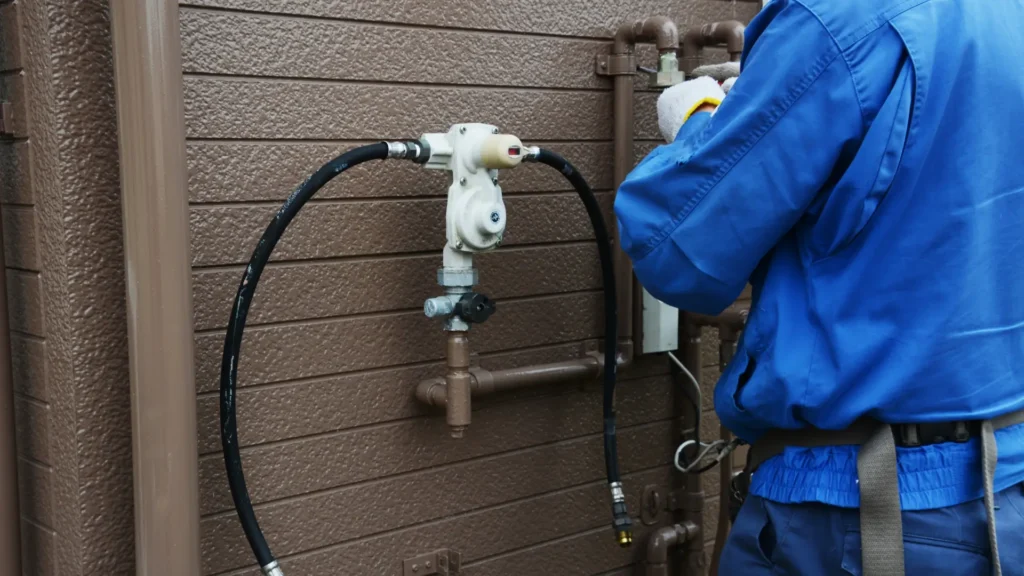
- Installing gas appliances such as cooktops, ovens, hot water systems, heaters, and fireplaces
- Repairing gas leaks, faulty connections, and malfunctioning appliances
- Upgrading or modifying existing gas pipework
- Carrying out safety inspections and pressure testing
- Issuing gas certificates and compliance documentation after completed work
These tasks require technical knowledge, practical experience, and an understanding of safety standards. Even small errors in gas fitting can lead to serious hazards, which is why this work must be done by a certified professional.
Why Licensing Matters In New Zealand
In New Zealand, gas fitting is legally restricted to licensed practitioners. A licensed gas fitter has completed approved training, passed required assessments, and is registered to perform gas work safely. This licensing protects homeowners by ensuring that anyone working on gas systems understands proper installation methods, safety checks, and compliance obligations.
Hiring an unlicensed person or attempting DIY gas work is illegal and can result in fines, invalid insurance claims, and serious safety risks. More importantly, improper gas work can lead to gas leaks, fire hazards, or carbon monoxide exposure, all of which pose significant danger to occupants.
Legal And Safety Requirements You Should Know
Gas fitting work in Auckland must comply with national and local regulations designed to protect both people and property. These requirements include:
- Compliance with the New Zealand Building Code
- Adherence to Gas Safety Regulations
- Mandatory testing and inspection of gas systems after work is completed
- Issuing a certificate of compliance or gas safety certificate when required
These regulations ensure that gas installations meet strict safety standards and can be legally used. A licensed gas fitter understands these requirements and ensures your work passes inspections and remains compliant over time.
Why Hiring A Certified Gas Fitter Is Worth It
While it may be tempting to focus solely on gas fitter cost in Auckland, choosing a certified professional offers long-term value. Licensed gas fitters help prevent safety issues, reduce the risk of future repairs, protect your insurance coverage, and give you peace of mind knowing the work has been done correctly.
In short, a gas fitter is not just a contractor but a safety specialist. Choosing a licensed and experienced gas fitter ensures your gas system is reliable, compliant, and safe for everyday use.
Typical Gas Fitter Costs In Auckland
Understanding how much a gas fitter costs in Auckland in 2025 helps you plan your home improvement or repair project without sticker shock. Licensed gas fitters provide specialised services that require training, certification, and adherence to New Zealand safety regulations, and their charges reflect the skill, equipment, and risk involved. In Auckland, rates can be slightly higher than elsewhere in New Zealand due to travel times, demand, and the cost of living, but most providers share similar pricing structures that give you a reliable basis for budgeting. Below is a detailed look at average price ranges and what you can expect when you hire a gas fitter in Auckland.
Average Price Ranges
When hiring a gas fitter in Auckland, most charges break down into an initial assessment or call-out fee, an hourly rate, and specific service costs for common jobs.
Call-out fee or initial assessment
- $125 to $172.50 for the first visit and up to one hour of labour, including travel and basic inspection. This typically covers getting the technician to your property and conducting an initial assessment of the job needed.
Hourly rates
- $135 to $172.50 per hour is a typical range charged by many Auckland gas fitters once the call-out fee has covered the first portion of work. Some providers may bill in smaller time increments after the first hour.
Common job costs
- Gas stove installation: $200 to $500+ depending on complexity, location of the gas line, and whether new piping is required.
- Hot water cylinder connection: $300 to $800+ based on unit size and any necessary upgrades to supply lines.
- Gas leak detection: $150 to $300+ plus parts, depending on the extent of testing and repairs needed.
- Certificate of compliance: $65 to $120.75+ required for most gas fitting jobs to meet regulatory standards in New Zealand.
These figures can vary by provider, the exact nature of the job, and whether any additional materials or specialised work are required. Always ask for a clear breakdown in your written quote before work begins.
What’s Usually Included
When gas fitters in Auckland provide a quote, certain elements are typically factored into the price so you know what work is covered and what may incur extra charges.
Labour
- Professional time spent completing the installation, repair, or inspection, including testing and adjustments to ensure the system functions safely. This includes travel and on-site work measured either by an hourly rate or through a fixed quote for specific tasks.
Basic materials
- Standard fittings, connectors, flexible hoses, and other consumables generally required to complete the job. Some quotes may list these separately, so confirm whether materials are included or charged extra.
Safety checks
- Pressure testing, leak detection, and system verification to ensure that all connections are secure and operating safely. Certified gas fitters use specialised tools and testing procedures to prevent hazards.
Compliance certification
- Issuing a Gas Safety Certificate or a Certificate of Compliance that meets New Zealand regulatory requirements. Certification confirms that the work adheres to safety and measurement standards and is usually a separate charge added to the job total.
In summary, knowing the typical costs and inclusions for gas fitters in Auckland allows you to compare quotes with confidence and ensures you are hiring a professional who will complete the job safely and to code. Always request detailed pricing and confirm what is included so you can avoid unexpected expenses and choose a gas fitter who provides both transparent pricing and quality work.

Key Factors That Affect Gas Fitter Pricing
When it comes to gas fitter cost in Auckland, pricing is rarely one size fits all. Several practical factors influence how much you will ultimately pay, and understanding these helps set realistic expectations before requesting a quote. From the type of work involved to compliance requirements, each element plays a role in the final cost.
Job Type And Complexity
The nature of the job is one of the biggest drivers of gas fitting costs. Straightforward tasks usually require less time and fewer resources, while complex jobs demand more expertise and planning.
Simple vs Complex jobs:
- Simple jobs include minor repairs, replacing an existing appliance with a like-for-like model, or small adjustments to gas lines
- Complex jobs may involve new gas line installations, system upgrades, or working in confined or hard-to-reach areas
New Installations vs Repairs:
- New installations typically cost more because they involve planning, installation, testing, and certification
- Repairs are often quicker and cheaper, unless they involve diagnosing hidden faults or addressing safety issues
Materials And Parts
The type and quality of materials used can significantly impact the overall cost of gas fitting work. While labour is a major component, parts and equipment also add to the final price.
Standard Fitments vs Premium Equipment:
- Standard fitments are more affordable and commonly used for basic installations and repairs
- Premium equipment, such as high-end appliances or specialised fittings, costs more and may take longer to install properly
Property Access And Location
Your property’s location and ease of access can influence how much a gas fitter charges. Jobs that are harder to access often require extra time and effort.
Inner City vs Outer Suburbs:
- Inner city jobs may involve parking challenges, restricted access, or apartment living
- Outer suburbs may involve longer travel times for the gas fitter
Auckland Traffic and Travel Charges:
- Heavy traffic and longer distances can increase labour costs
- Some gas fitters include travel time or mileage as part of their pricing
Urgency And After-Hours Work
Urgency plays a major role in gas fitter pricing, especially when safety is involved. Emergency situations often require immediate attention, which comes at a premium.
Emergency call-outs cost more:
- After-hours, weekend, or public holiday work usually has higher rates
- Emergency jobs may disrupt scheduled work, increasing labour costs
Compliance And Certification Requirements
Gas fitting work in New Zealand must meet strict safety and legal standards. Compliance and certification are not optional, and they add to both time and cost.
Certification adds time and cost but is required:
- Testing and safety checks must be completed after the work
- Certificates of compliance ensure the installation meets legal and safety standards
- These steps protect homeowners and are essential for insurance and future property sales
Understanding these factors makes it easier to evaluate quotes and avoid surprises. While costs can vary, knowing what influences gas fitter pricing in Auckland helps you make informed decisions and prioritise safety and quality over short-term savings.

How To Get An Accurate Quote
Getting an accurate gas fitting quote in Auckland is essential for budgeting properly and avoiding unexpected costs once work begins. While it can be tempting to accept the first price you receive, gas fitting jobs often vary in complexity, materials, and compliance requirements. Taking the time to gather the right information upfront helps ensure the quote reflects the true scope of the work and protects you from hidden charges later.
Get Multiple Quotes
Comparing two to three quotes gives you a clearer picture of what a fair and reasonable price looks like for your specific job. Gas fitting costs can differ between providers due to experience, overheads, and how thoroughly the job has been assessed. Multiple quotes help you spot prices that are unusually low or high and allow you to compare what is actually being offered rather than just the final number. In many cases, a slightly higher quote may include compliance certification, better materials, or a workmanship guarantee, which can save you money and stress in the long run.
Ask These Key Questions
A detailed quote should clearly explain what you are paying for. Asking the right questions upfront helps prevent misunderstandings and ensures there are no surprises once the work starts.
- What is included and excluded in the quoted price
- Whether parts, fittings, and materials are included
- If testing, safety checks, and compliance certification are covered
- What warranties or guarantees apply to the workmanship and parts
Clear answers to these questions allow you to accurately compare quotes and ensure each gas fitter is pricing the same scope of work.
On-Site Inspection
An on-site inspection is often the most reliable way to receive an accurate gas fitter quote. While online or phone estimates can provide a rough idea of cost, they cannot account for factors such as appliance location, pipe condition, access issues, or compliance requirements. A site visit allows the gas fitter to assess the job properly, identify potential challenges, and confirm exactly what is required to complete the work safely and legally. This reduces the risk of cost increases once the job is underway.
Taking a careful and informed approach to quoting helps you choose a gas fitter with confidence and ensures the final cost aligns with both your expectations and safety requirements.

Tips For Choosing A Trusted Gas Fitter In Auckland
Choosing the right gas fitter in Auckland is not just about finding the lowest price. Gas work directly affects the safety of your home, your compliance with New Zealand regulations, and your long-term peace of mind. A trusted gas fitter should be properly qualified, transparent about costs, and committed to safety at every stage of the job. Taking a little extra time to assess who you hire can help you avoid poor workmanship, legal issues, and unnecessary expenses later on.
Licensing And Certification
In New Zealand, gas fitting is a regulated trade, and anyone carrying out gas work must be legally licensed. This is not optional and should always be your first checkpoint when evaluating a gas fitter.
Key things to look for include:
- A current gas fitting licence issued by the Plumbers, Gasfitters and Drainlayers Board
- Proof of recognised qualifications such as NZQA gas fitting credentials
- Test certificates or certificates of compliance issued after work is completed
A licensed gas fitter is trained to meet national safety standards and understands local compliance requirements, which helps protect both your property and your legal obligations as a homeowner or landlord.
Reviews And Local Reputation
A gas fitter’s reputation within the Auckland community often says more than any advertisement. Online reviews and word-of-mouth recommendations provide insight into how a professional actually works on real jobs.
When researching reputation, consider:
- Google Reviews and overall rating consistency
- Detailed customer feedback rather than just star ratings
- Recommendations from friends, family, or neighbours in Auckland
Reliable gas fitters tend to build long-term relationships locally, and consistent positive feedback is usually a strong indicator of dependable service and workmanship.
Transparency And Communication
Clear communication is one of the most overlooked but important qualities in a trusted gas fitter. From the initial enquiry through to job completion, you should feel informed and confident about what is happening.
A professional gas fitter should provide:
- Clear and written estimates outlining labour and materials
- Honest timelines for starting and completing the work
- Straightforward explanations without unnecessary technical language
Transparency helps prevent unexpected charges and ensures both parties have aligned expectations before work begins.
Insurance And Warranty
Insurance and warranties are essential safeguards that protect you if something goes wrong. A reputable gas fitter should be open about their coverage and stand behind their work.
Important points to confirm include:
- Public liability insurance to cover accidental property damage
- A workmanship warranty for completed gas fitting work
- Clear terms around what is covered and for how long
These protections demonstrate professionalism and show that the gas fitter is confident in the quality of their work.
Safety First
Gas work carries inherent risks, which is why safety should always be treated as a priority rather than an afterthought. A trusted gas fitter will never rush safety checks or downplay compliance testing.
You should expect them to:
- Conduct thorough safety inspections before and after the job
- Test gas lines, appliances, and connections for leaks
- Provide required compliance documentation once work is completed
Asking direct questions about safety procedures is a good way to gauge how seriously a gas fitter takes their responsibilities.

Common Misconceptions About Gas Fitter Costs
When homeowners start comparing gas fitter cost Auckland prices, it is easy to make assumptions that seem logical on the surface but can lead to costly or unsafe outcomes. Many people rely on quick quotes, word-of-mouth advice, or past experiences that do not fully reflect today’s safety standards, compliance requirements, or pricing realities. Clearing up these common misconceptions can help you make smarter decisions and avoid unnecessary risks.
Myth: Cheapest Quote Is Always Best
- Lower price means better value
- All quotes include the same scope of work
- Cutting costs will not affect safety or compliance
In reality, the cheapest quote often leaves out important details. For example, a homeowner in Auckland might receive two quotes for installing a gas cooktop, one significantly cheaper than the other. The lower quote may exclude compliance testing, certification, or quality fittings, while the higher quote includes everything needed to meet legal and safety requirements. Choosing the cheapest option can result in extra charges later or, worse, unsafe gas connections that need to be redone. Value comes from transparency, proper workmanship, and long-term safety, not just a low upfront price.
Myth: DIY Is Safe Or Cheaper
- Simple gas jobs are easy to do yourself
- Online tutorials replace professional training
- DIY saves money without risks
Gas work is never a safe DIY project, regardless of how straightforward it appears. In New Zealand, gas fitting must be carried out by a licensed professional for a reason. A common real-world example is homeowners attempting to reconnect a gas appliance after renovations, believing it will save money. Many later discover leaks, appliance faults, or failed inspections that end up costing more to fix than hiring a licensed gas fitter from the start. Beyond the financial impact, unlicensed gas work can put lives at risk and invalidate insurance coverage.
Myth: All Gas Fitters Charge The Same
- Hourly rates are standard across Auckland
- Experience does not affect pricing
- Certification and compliance are always included
Gas fitter costs vary because no two jobs or professionals are the same. An experienced, well-reviewed gas fitter who includes compliance certification, quality materials, and thorough safety checks may charge more than someone offering a basic service. For instance, two gas fitters may quote similar hourly rates, but one includes testing and certification while the other charges extra later. Understanding what is included in the quote is more important than comparing hourly rates alone.
Understanding these misconceptions helps you approach gas fitting with realistic expectations and confidence. By focusing on quality, safety, and clear communication rather than assumptions, you are far more likely to receive reliable service and long-term peace of mind.
Gas fitting isn’t just about cost — it’s about safety, compliance, and peace of mind. If you want transparent pricing, licensed professionals, and work done right the first time, don’t leave it to chance. Visit our website today to get expert guidance, request a tailored quote, and connect with trusted gas fitting specialists in Auckland who put your safety first.
References
- Gas Fitting Cost Auckland (2025 Rates) | Full NZ Price Breakdown
https://flowpro.co.nz/how-much-does-gas-fitting-cost-in-auckland-a-complete-breakdown/ (Flowpro Plumbers & Gasfitters) - Gasfitting Pricing | JVS Gasfitting Auckland
https://www.jvsgasfitting.co.nz/pricing (jvsgasfitting.co.nz) - Gas Fitting Services in Auckland – Certified & Reliable Gas Fitters
https://responseplumbing.co.nz/gasfitter-auckland/ (Response Plumbing) - Top 10 Best Rated Gas Fitters in Auckland | Airtasker NZ
https://www.airtasker.com/nz/services/gas-fitting/auckland/ (Airtasker) - Auckland Gas & Plumbing Services – Certified Gas Fitters
https://www.aucklandgasservices.co.nz/ (aucklandgasservices.co.nz)

FAQs: About gas fitter cost In auckland
How much does a gas fitter cost in Auckland?
Gas fitter costs in Auckland typically range from $90 to $150 per hour, depending on the type of work, complexity, and whether certification is required.
What factors affect gas fitter pricing the most?
The main factors include the type of job, urgency, materials needed, property access, location within Auckland, and compliance or certification requirements.
Do gas fitters charge a call-out fee in Auckland?
Yes, many gas fitters charge a call-out or initial assessment fee, especially for inspections, diagnostics, or emergency visits.
Is it cheaper to hire a gas fitter for repairs than installations?
Generally, yes. Minor repairs usually cost less than full installations, which require more labour, materials, testing, and certification.
Are gas safety certificates included in the cost?
Not always. Some quotes include certification, while others charge separately, so it’s important to confirm this upfront.
Can I legally do gas work myself to save money?
No. Gas work in New Zealand must be carried out by a licensed gas fitter. DIY gas work is unsafe and illegal.
Why do emergency gas fitting jobs cost more?
Emergency and after-hours jobs cost more due to urgency, risk, and availability outside standard business hours.
How can I avoid overpaying for a gas fitter in Auckland?
Get multiple quotes, ask for a clear breakdown of costs, confirm licensing, and ensure the quote includes compliance testing if required.
How long does a typical gas fitting job take?
Simple jobs may take one to two hours, while larger installations or compliance work can take several hours or more.
What should I check before hiring a gas fitter?
Always check licensing, experience, reviews, insurance, warranty on work, and whether compliance certification is provided.
Conclusion
Understanding gas fitter cost Auckland comes down to knowing the typical price ranges, recognising the key factors that influence costs such as job complexity, materials, urgency, and compliance requirements, and choosing a licensed professional who prioritises safety and transparency over shortcuts. While prices can vary from one job to another, homeowners and property managers who take the time to compare options are far more likely to avoid unexpected costs and compliance issues later on. The smartest next step is to get two to three detailed quotes, ask clear questions about what is included, and always prioritise licensed workmanship and proper certification to protect your home and everyone in it. If you still have questions or want to share your experience, feel free to leave a comment or reach out for advice, as informed decisions are the best way to ensure safe, reliable, and long lasting gas fitting work.