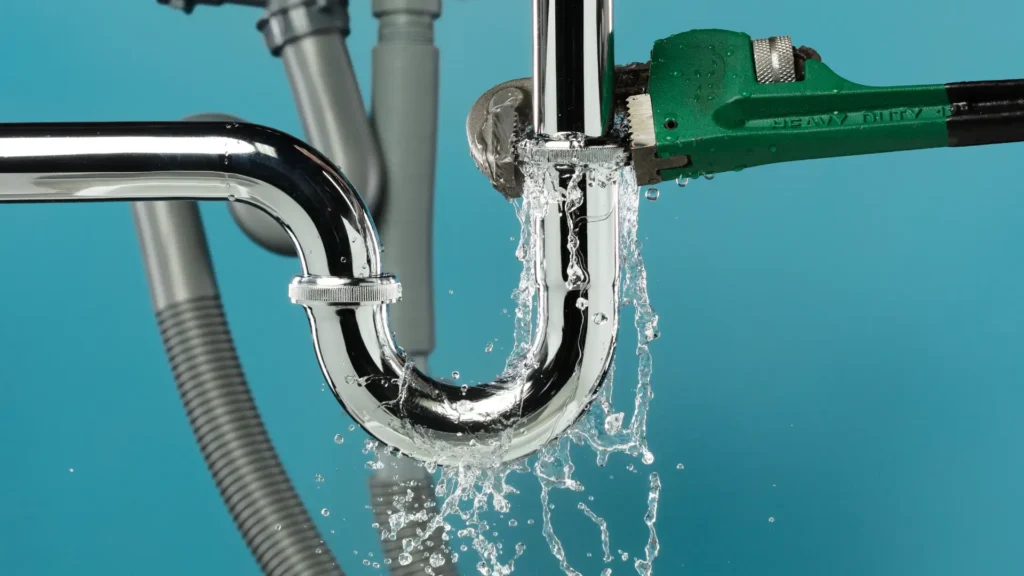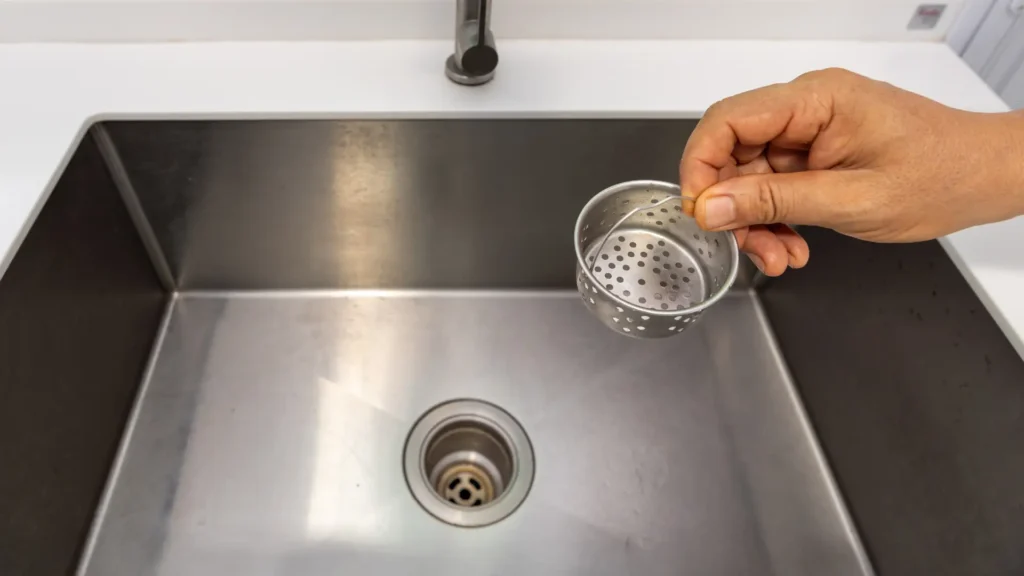
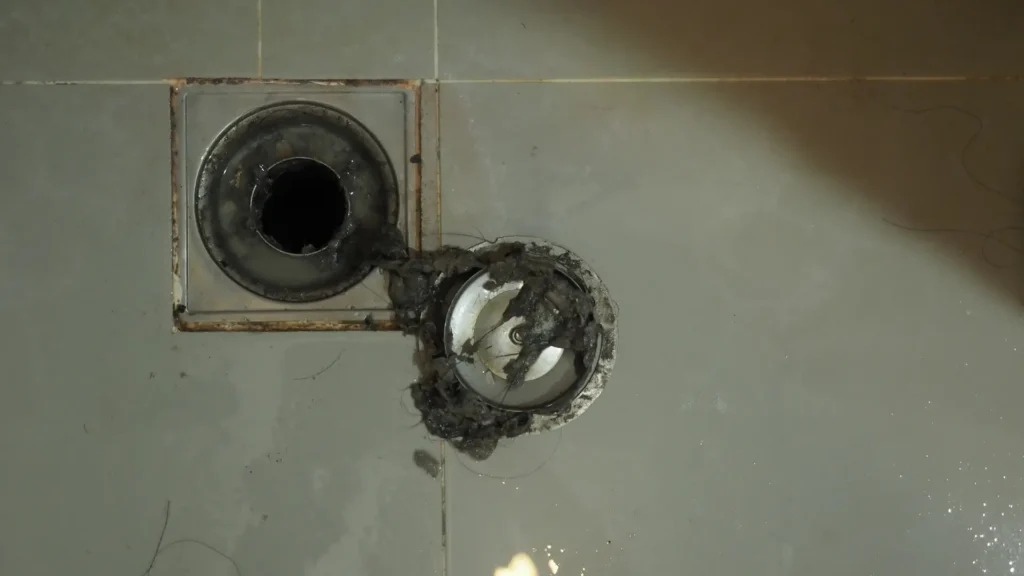
Welcome to a practical guide on common drainage problems in Auckland—an issue many homeowners and property managers face, especially during heavy rain and winter months. Auckland’s mix of frequent rainfall, clay-heavy soils, mature trees, and aging drainage systems makes blocked drains, surface flooding, and sewer backups more common than people expect. If you’ve noticed slow-draining sinks, unpleasant smells, pooling water in your yard, or recurring drainage issues, you’re not alone—and ignoring them can lead to costly property damage over time. In this guide, we’ll walk you through the most common drainage problems Auckland residents experience, why they happen, the warning signs to watch for, and practical solutions to fix them before they escalate.
Common drainage problems in Auckland include blocked or clogged drains, sewer line blockages, poor yard drainage, overflowing gutters, broken pipes, and inadequate stormwater systems. These issues are often caused by heavy rainfall, tree root intrusion, aging pipes, and poor soil drainage. Early signs include slow-draining water, bad odors, flooding during rain, and water pooling around your property. Addressing drainage problems early helps prevent structural damage, health risks, and expensive repairs.
Table of Contents
Why Drainage Issues Matter In Auckland
Drainage issues are a serious concern for Auckland homeowners due to the city’s unique combination of weather patterns, soil conditions, and urban development. What may seem like a minor drainage issue can quickly escalate into widespread damage if not addressed early, making proper drainage planning and maintenance essential.
- Auckland’s Climate: Frequent Rain And Storms
Auckland receives high levels of rainfall throughout the year, with sudden downpours and seasonal storms placing significant pressure on residential and commercial drainage systems. During heavy rain, drains can become overwhelmed, especially in older properties or areas with limited stormwater capacity. When water has nowhere to go, it backs up onto driveways, lawns, and around building foundations, making drain problems in Auckland more common than many homeowners expect. - Effects: Property Damage, Mold, Pest Risks, And Soggy Lawns
Poor drainage allows excess water to linger around a property, which can weaken foundations, damage retaining walls, and cause cracks in concrete surfaces. Moist environments also encourage mold growth inside walls and under floors, creating potential health concerns. Standing water can attract pests such as insects and rodents, while lawns and gardens may remain waterlogged, leading to dead grass, soil erosion, and long-term landscaping issues. These problems highlight the importance of timely and effective Auckland drainage solutions. - Local Relevance: Suburbs And Soil Types Across Auckland
Many Auckland suburbs are built on clay-heavy soil, which drains slowly and retains moisture for extended periods. Areas such as West Auckland, parts of South Auckland, and sections of the North Shore are particularly prone to surface flooding after heavy rain. In addition, older neighborhoods may have outdated drainage infrastructure that struggles to cope with modern water volumes. Even newer developments can face drainage issues if land grading or stormwater design is inadequate for Auckland’s climate.
In summary, drainage issues matter in Auckland because local conditions make properties especially vulnerable to water damage. Addressing drainage problems early helps protect your home, preserve outdoor spaces, and reduce the risk of costly repairs caused by ongoing water exposure.
Top 7 Common Drainage Problems In Auckland
Drainage problems are a common issue for Auckland homeowners due to frequent rainfall, clay-heavy soils, mature trees, and aging drainage systems. Knowing what to look for and how these problems typically develop makes it easier to address them early and avoid costly damage. Below are the most common drainage problems in Auckland, explained in a clear and practical way.
Blocked Or Clogged Drains
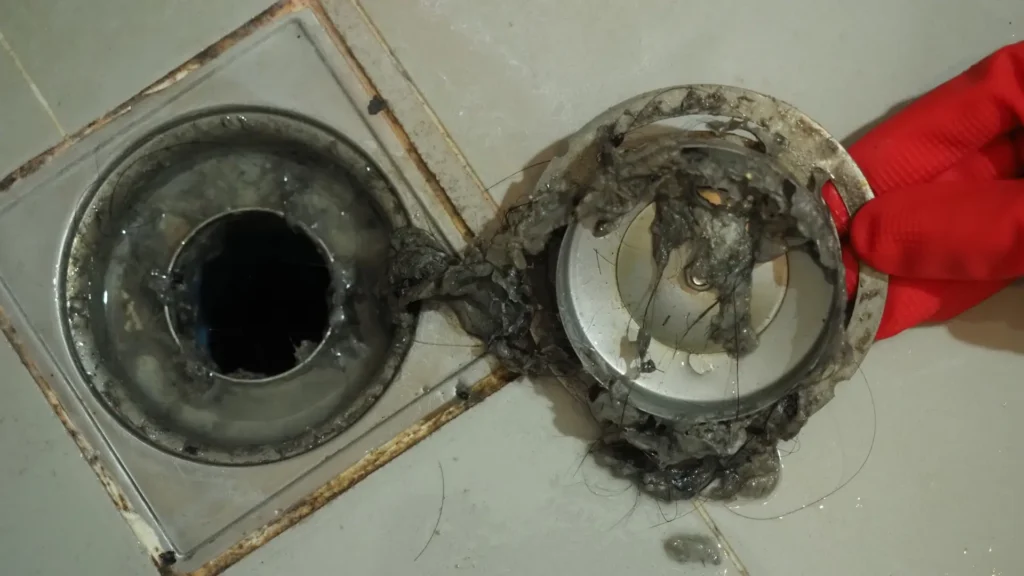
Blocked or clogged drains are one of the most frequently reported drainage issues across Auckland homes. They usually develop gradually and are often dismissed until water flow becomes noticeably restricted.
What the problem is:
Blocked drains occur when materials build up inside pipes, reducing or completely stopping the flow of wastewater.
Typical causes in Auckland:
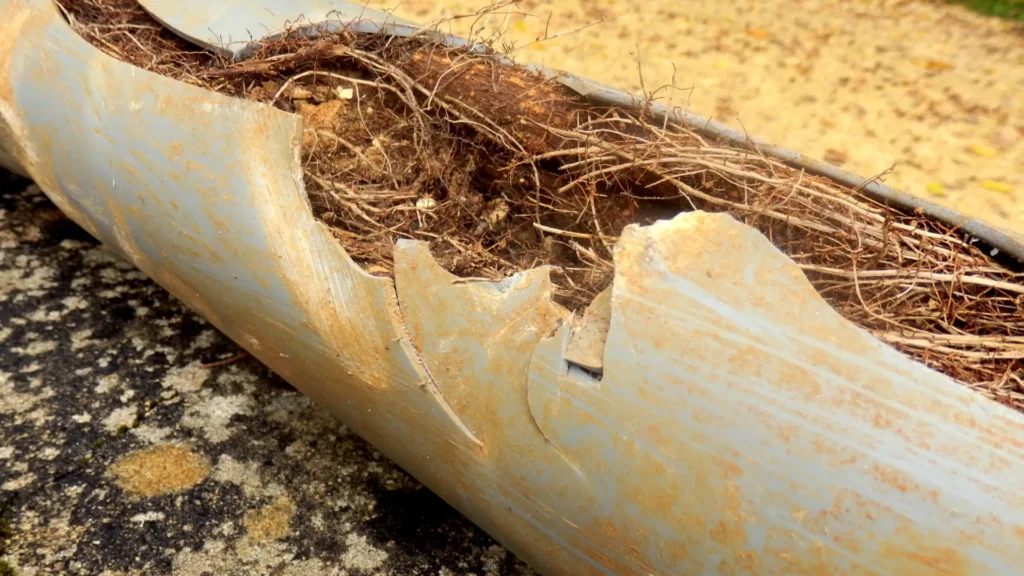
- Tree roots: Roots from nearby trees grow into pipes searching for moisture
- Debris: Leaves, dirt, and outdoor waste entering drains
- Grease: Cooking oils and fats hardening inside kitchen pipes
Common symptoms homeowners notice:
- Slow draining water: Water takes longer than usual to drain from sinks or showers
- Gurgling sounds: Bubbling or noises coming from drains during use
How it’s usually fixed:
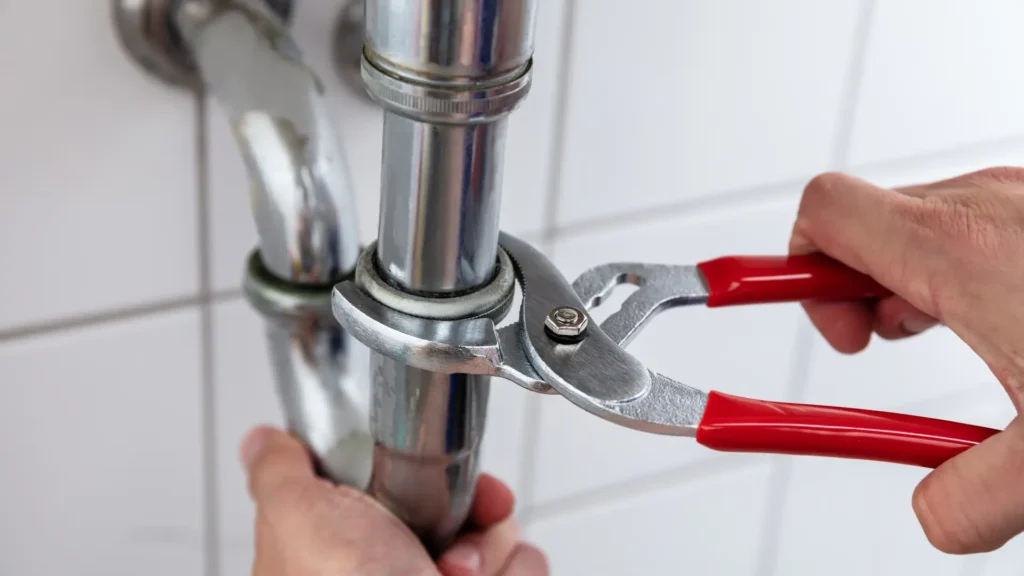
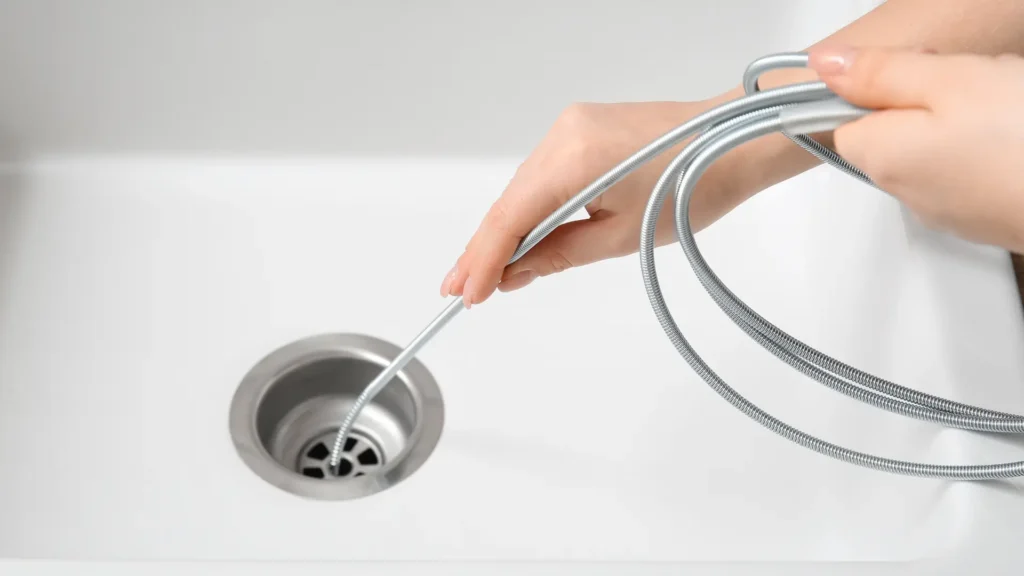
- Drain snaking: Mechanical tools used to break apart and remove blockages
- Hydro-jetting: High-pressure water cleaning to clear grease and debris
- Preventative tips: Regular cleaning and avoiding grease disposal down drains
Sewer Line Blockages
Sewer line blockages are more severe than standard clogs because they affect the main pipe that carries wastewater away from the entire property.
What the problem is:
A blockage in the main sewer line that prevents wastewater from leaving the property properly.
Typical causes in Auckland:
- Waste buildup: Accumulation of non-flushable items and grease
- Invasive roots: Tree roots breaking into older sewer pipes
Common symptoms homeowners notice:
- Bad smells: Strong sewage odors inside or outside the home
- Backup in multiple fixtures: Toilets, sinks, and showers backing up at the same time
How it’s usually fixed:
- Professional inspection: CCTV drain cameras used to locate the blockage
- Trenchless repair options: Pipe relining to restore damaged sewer lines without digging
Poor Yard Or Surface Drainage
Poor yard or surface drainage is a widespread issue in Auckland due to natural land contours and soil types that limit water absorption.
What the problem is:
Surface water is unable to drain away efficiently, causing it to collect around the property.
Typical causes in Auckland:
- Compacted soil: Clay soils preventing proper water absorption
- Poor grading: Land sloping toward the home instead of away
- Heavy rainfall: Intense rain overwhelming natural drainage
Common symptoms homeowners notice:
- Pooling water: Standing water after rainfall
- Soggy lawn: Grass and soil staying wet for extended periods
How it’s usually fixed:
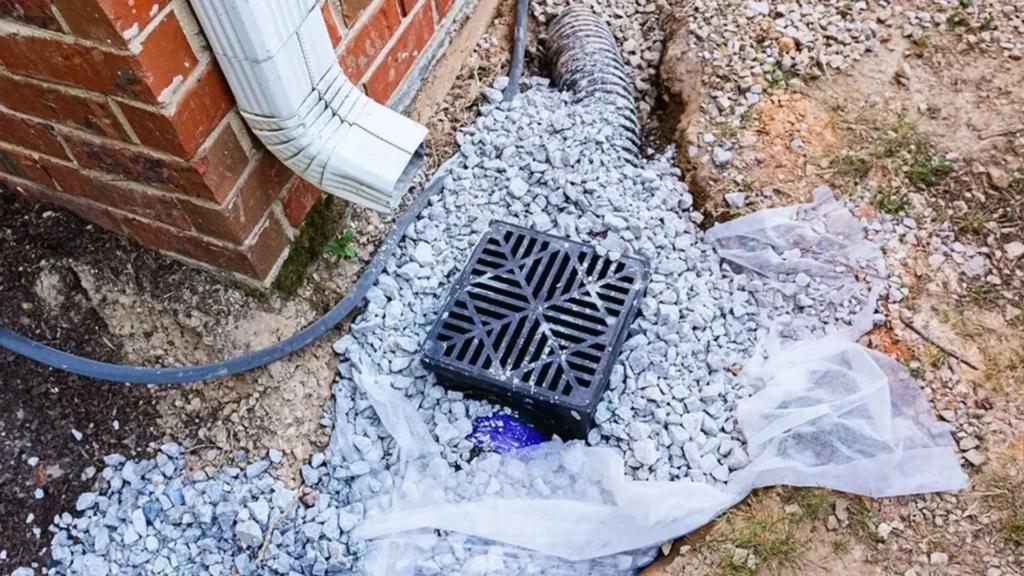
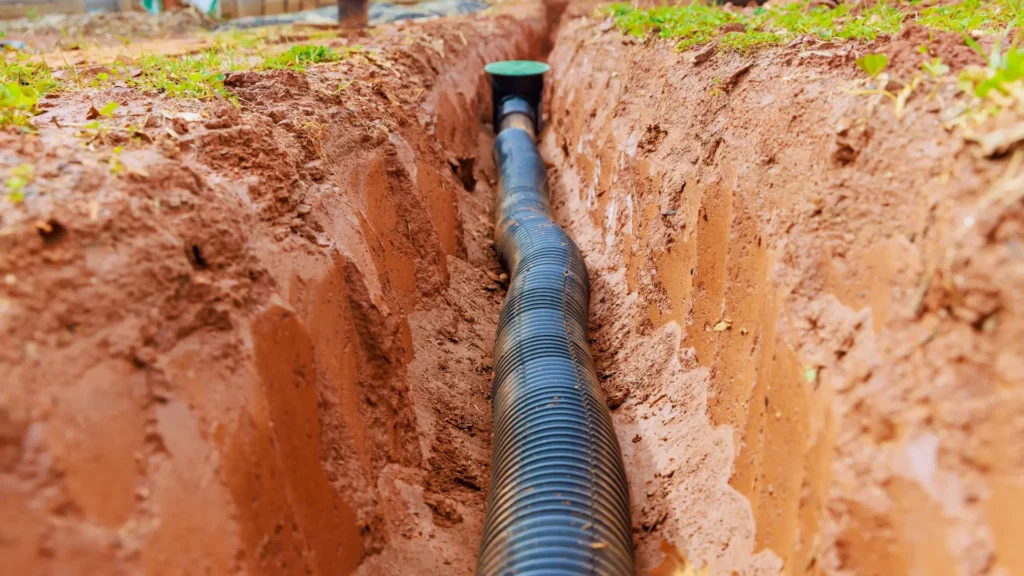
- French drains: Subsurface drainage systems that redirect water
- Regrading: Adjusting land levels to improve water runoff
- Stormwater channels: Directing excess water to appropriate outlets
Gutter And Downpipe Issues
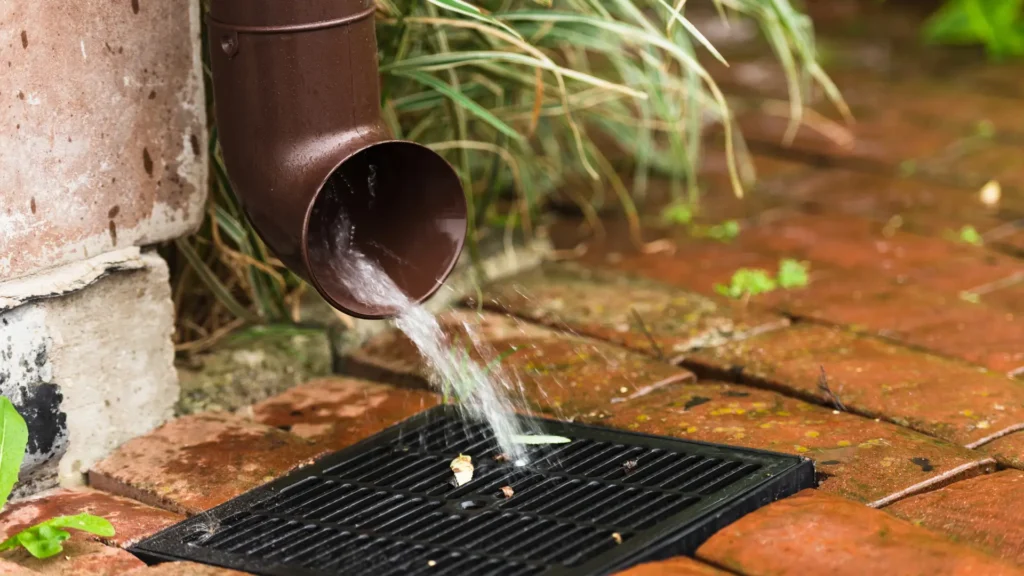
Gutter and downpipe problems often contribute to drainage issues by allowing water to collect near foundations rather than being carried away.
What the problem is:
Blocked or poorly positioned gutters and downpipes fail to direct rainwater safely away from the building.
Typical causes in Auckland:
- Leaves and moss: Organic debris accumulating in gutters
- Blocked gutters: Lack of regular maintenance
Common symptoms homeowners notice:
- Overflow during rain: Water spilling over the edges of gutters
- Water near foundation: Pooling water around the base of the home
How it’s usually fixed:
- Gutter cleaning: Removing debris and blockages
- Leaf guards: Preventing future buildup
- Proper downpipe placement: Ensuring water drains away from foundations
Broken Or Collapsed Pipes
Broken or collapsed pipes are often hidden underground, making them harder to detect until visible damage occurs.
What the problem is:
Structural damage to underground drainage pipes that restricts or stops water flow.
Typical causes in Auckland:
- Age: Deterioration of older clay or concrete pipes
- Tree roots: Pressure causing cracks or collapse
- Shifting ground: Soil movement due to rain or erosion
Common symptoms homeowners notice:
- Unusual wet spots: Damp areas with no obvious source
- Sinkholes: Small depressions forming in lawns or driveways
- Uneven ground: Subtle land movement over time
How it’s usually fixed:
- Pipe relining: Installing a new internal lining inside the existing pipe
- Excavation: Replacing severely damaged pipe sections
Inadequate Stormwater Drainage
Stormwater drainage systems are designed to handle rainwater, but many Auckland properties have systems that are no longer sufficient for current conditions.
What the problem is:
Stormwater systems that cannot cope with heavy or prolonged rainfall.
Typical causes in Auckland:
- Undersized drains: Older systems not designed for modern rainfall volumes
- Heavy storms: Increased frequency and intensity of rain
Common symptoms homeowners notice:
- Road water pooling: Flooding near driveways or streets
- Slow drainage after rain: Water taking a long time to clear
How it’s usually fixed:
- Council solutions: Public stormwater system upgrades
- Additional onsite drainage: Installing extra drains or soak pits
Silt And Sediment Buildup
Silt and sediment buildup is a gradual drainage problem that often develops without obvious warning signs.
What the problem is:
Fine soil particles and debris accumulating inside drainage pipes over time.
Typical causes in Auckland:
- Natural erosion: Soil washing into drains during rainfall
- Heavy rain: Increased sediment movement during storms
Common symptoms homeowners notice:
- Slow drains: Reduced water flow developing gradually
- Muddy water: Discolored water appearing during heavy rain
How it’s usually fixed:
- Regular clean-outs: Preventing sediment from accumulating
- Catch basins: Capturing debris before it enters the drainage system
Understanding these common drainage problems in Auckland helps homeowners take early action, reduce long-term damage, and maintain a healthy drainage system. With regular maintenance and professional support when needed, most drainage issues can be managed effectively before they become major repairs.
How To Diagnose A Drainage Problem
Drainage issues often start small, which makes them easy to overlook until they cause visible damage. Knowing how to spot early warning signs can help homeowners in Auckland take action before a minor problem turns into an expensive repair. While some checks can be done on your own, others require professional expertise and proper tools to confirm the root cause.
Simple DIY Checklist For Homeowners
Before calling a specialist, there are several basic signs you can look for around your home. These early indicators are often the first clues that something is wrong with your drainage system.
- Slow draining fixtures:
If sinks, showers, or toilets are taking longer than usual to drain, this may indicate a partial blockage forming within your pipes. Slow drainage across multiple fixtures often suggests a deeper issue in the main drain rather than a single localized clog. - Unpleasant odors:
Persistent foul smells coming from drains or outdoor gullies can signal trapped waste, buildup, or sewer-related problems. These odors are not normal and usually mean water is not flowing freely through the system. - Water pooling in the yard:
Standing water on lawns, driveways, or near foundations after rain is a common sign of poor surface or subsurface drainage. In Auckland, heavy rainfall combined with clay soils can worsen this issue, making pooling a strong indicator of drainage failure.
Checking these signs regularly can help you identify when something is not functioning as it should.
When To Call A Professional
While DIY checks are useful, they only provide surface-level insight. You should consider professional help if drainage issues are recurring, worsening, or affecting multiple areas of your property. Ongoing blockages, sewage backups, or unexplained flooding are strong signals that a thorough drain inspection in Auckland is needed.
Professionals can perform an accurate drainage diagnosis, ensuring the true cause is identified rather than treating symptoms that will quickly return.
Tools And Technology Professionals Use
Drainage specialists rely on advanced equipment to locate problems that are hidden underground or inside pipes. These tools allow for precise diagnosis without unnecessary digging or guesswork.
- Drain cameras:
Small waterproof cameras are inserted into pipes to visually inspect blockages, cracks, root intrusion, or collapsed sections. This method provides clear evidence of what is happening inside the drain. - Pressure testing:
Pressure tests help identify leaks, weak points, or structural failures within drainage systems. This is especially useful for detecting issues that are not immediately visible but still affect performance.
Using these tools ensures a reliable and accurate drainage diagnosis, saving time and reducing the risk of incorrect repairs.

Prevention Tips & Best Practices
Preventing drainage problems is far easier and more cost-effective than dealing with major repairs later. In Auckland, where heavy rainfall, clay-rich soil, and mature trees are common, taking a proactive approach can significantly reduce the risk of damage to your home or property. The following best practices focus on simple, proven steps that help maintain healthy drainage systems over the long term.
Regular Cleaning Of Gutters And Drains
Routine cleaning is one of the most effective ways to keep water flowing freely and avoid unexpected blockages. Gutters and surface drains can quickly fill with debris, especially during wet and windy conditions.
- Remove debris regularly: Clear leaves, moss, dirt, and other buildup from gutters and outdoor drains before they restrict water flow.
- Flush drains periodically: Running water through drains helps identify slow drainage early and prevents sediment from settling.
- Inspect after heavy rain: Auckland storms can reveal hidden issues, making post-rain checks an important habit.
Consistent cleaning is a simple but powerful way to prevent drainage issues from developing.
Proper Landscaping And Grading Tips
How your property is landscaped has a direct impact on drainage performance. Poor grading can cause water to pool near foundations, increasing the risk of leaks and structural damage.
- Slope soil away from buildings: Ensure the ground directs water away from your home rather than toward it.
- Use permeable surfaces: Gravel, permeable paving, and garden beds allow water to soak into the ground naturally.
- Install surface drainage where needed: Swales or channel drains help guide excess water away during heavy rainfall.
Thoughtful landscaping is one of the most effective drainage solutions Auckland homeowners can use to manage stormwater safely.
Tree Root Management
Tree roots are a leading cause of underground drainage problems, particularly in older Auckland properties with established trees.
- Plant trees with care: Avoid placing large trees close to drainage or sewer lines.
- Watch for warning signs: Slow drains, recurring blockages, or gurgling sounds may indicate root intrusion.
- Schedule professional inspections: Drain cameras can detect root damage early, before pipes crack or collapse.
Managing tree roots early can save significant repair costs and extend the life of your drainage system.
Seasonal Maintenance Schedule
Drainage systems are affected differently throughout the year, which makes seasonal maintenance especially important in Auckland’s climate.
- Autumn: Remove fallen leaves from gutters and drains before winter rain increases.
- Winter: Monitor how drains cope during storms and address slow drainage promptly.
- Spring: Check for damage caused by heavy rain or saturated ground.
- Summer: Arrange inspections or maintenance while drainage systems are under less stress.
A seasonal approach helps identify small issues before they become serious problems.
Benefits Of Preventive Maintenance
Preventive maintenance offers long-term advantages that go beyond convenience, protecting both your property and your budget.
- Lower repair costs: Minor maintenance is far cheaper than emergency drainage repairs.
- Improved system performance: Clean, well-maintained drains handle heavy rainfall more effectively.
- Longer system lifespan: Regular care helps pipes and drains last longer.
- Reduced risk of property damage: Proactive maintenance helps prevent drainage issues that can lead to flooding, dampness, or foundation damage.
By following these practical prevention tips, Auckland property owners can reduce the likelihood of unexpected drainage problems and costly repairs. With consistent care and the right approach, it becomes much easier to prevent drainage issues and keep your system working reliably year-round.
When To Call A Professional
Drainage issues do not always start as emergencies, but they can escalate quickly if early warning signs are ignored. Knowing when to call a professional can save you from costly repairs, property damage, and ongoing stress. In Auckland, where heavy rainfall, clay soils, and aging infrastructure are common, professional intervention is often the most reliable way to resolve drainage problems properly.
Red Flags That Require Professional Attention
Some drainage problems clearly signal that DIY fixes are no longer enough. These red flags usually point to underlying system failures that require professional drainage help.
- Sewer backups: Wastewater backing up into toilets, sinks, or floor drains is a serious health risk and often indicates a major blockage or damaged sewer line.
- Structural issues: Cracks in foundations, uneven ground, or constantly damp areas around the home may be linked to leaking or collapsed underground pipes.
- Recurring problems: Drains that repeatedly block or overflow despite cleaning often suggest tree root intrusion, pipe damage, or poor drainage design.
Ignoring these warning signs can lead to extensive property damage and higher repair costs over time.
What To Expect During A Professional Drainage Service
A professional drainage service involves more than simply clearing a blockage. Experienced providers focus on identifying the root cause of the issue to deliver a long-term solution.
- Initial inspection: Drain cameras and diagnostic equipment are used to assess underground pipes without unnecessary excavation.
- Clear explanation: The technician explains what is causing the drainage issue and discusses suitable repair options.
- Targeted solutions: Depending on the problem, this may include drain cleaning, root removal, pipe relining, or full pipe replacement.
- Preventative advice: Professionals often recommend maintenance steps to help prevent future drainage problems.
This structured approach ensures the drainage system is restored effectively and safely.
Typical Cost Ranges In Auckland
Drainage service costs in Auckland vary based on the complexity of the issue, access to pipes, and the type of repair required. While exact pricing depends on the situation, general cost ranges provide helpful guidance.
- Basic drain cleaning: Typically ranges from NZD 150 to NZD 300 for minor blockages.
- CCTV drain inspections: Commonly cost between NZD 250 and NZD 500 depending on property size and pipe access.
- Major drainage repairs: Extensive repairs or pipe replacement can range from NZD 1,500 to several thousand dollars.
Addressing drainage issues early often reduces the likelihood of expensive emergency repairs later.
The Value Of Local Auckland Expertise
Working with a local drainage specialist offers clear advantages, especially in an area with unique environmental and regulatory factors like Auckland.
- Local knowledge: Auckland-based professionals understand regional soil types, rainfall patterns, and common drainage problems.
- Regulatory awareness: Local experts are familiar with Auckland Council requirements and drainage compliance standards.
- Faster response times: Nearby service providers can respond more quickly to urgent drainage issues.
Choosing experienced local support for drain cleaning Auckland homeowners trust helps ensure efficient service and reliable results.
Local Auckland Context & Regulations
Understanding local drainage rules is just as important as identifying the problem itself. In Auckland, drainage work is closely tied to council regulations, environmental protection, and stormwater management standards. Knowing what is required helps homeowners avoid fines, delays, and costly rework while ensuring drainage systems function properly and legally.
Auckland Council Stormwater Guidelines
Auckland Council has specific stormwater guidelines designed to manage runoff, reduce flooding, and protect waterways across the region. These rules apply to residential, commercial, and new development projects and are especially important in flood-prone or high-density areas.
Key points homeowners should be aware of include:
- Stormwater discharge: Properties must direct stormwater to an approved council connection or soakage system, not onto neighboring land.
- Flood risk management: In certain zones, additional stormwater controls may be required to reduce runoff during heavy rainfall.
- Maintenance responsibility: Property owners are generally responsible for maintaining private stormwater drains up to the council connection point.
Following these guidelines helps prevent localized flooding and ensures your drainage system meets Auckland’s environmental and safety standards.
Permits Or Regulations For Drainage Modifications
Not all drainage work can be carried out without approval. Depending on the scope of work, you may need council consent before modifying or installing drainage systems.
Common situations where permits may be required include:
- Major drainage alterations: Changes that affect stormwater flow or discharge points.
- Building or renovation projects: Drainage work associated with extensions, new builds, or structural changes.
- Work in special zones: Properties located in flood plains, coastal areas, or overland flow paths often face stricter rules.
Failing to obtain the correct approvals can lead to compliance issues, fines, or requirements to undo completed work. Consulting a licensed drainage professional familiar with Auckland Council regulations can help streamline this process.
Useful Links Or Resources
Accessing reliable, official information is essential when dealing with drainage compliance in Auckland. The following resources provide up-to-date guidance and requirements.
Helpful resources include:
- Auckland Council Stormwater Services: Covers stormwater rules, maintenance responsibilities, and flood management.
- Auckland Council Property and Planning Maps: Helps identify flood zones, overland flow paths, and drainage connections.
- Building Consent Information: Explains when drainage work requires approval and how to apply.
These resources help homeowners make informed decisions and ensure all drainage work aligns with current regulations.
Connecting With Local Auckland Audiences
Drainage issues in Auckland are often shaped by local factors such as soil conditions, weather patterns, and infrastructure age. Homes in older suburbs may deal with aging pipes, while newer developments must comply with stricter stormwater controls.
For Auckland homeowners, understanding local drainage rules means:
- Recognizing why certain solutions are recommended in specific suburbs.
- Avoiding DIY fixes that may conflict with council requirements.
- Choosing drainage professionals who understand Auckland’s regulatory landscape.
By staying informed and working within local guidelines, property owners can address drainage problems confidently and responsibly. Taking the time to understand Auckland’s drainage regulations not only protects your home but also helps maintain safer and more resilient communities across the region.
Drainage problems rarely fix themselves—and the longer they’re left untreated, the more expensive they become. If you’re experiencing recurring blockages, flooding, or unexplained water issues on your property, it’s time to get expert advice. Visit our website today to learn how our experienced Auckland drainage specialists can inspect, diagnose, and fix drainage problems quickly and effectively.
References
- 5 Common Drainage Problems in Auckland Homes and How to Solve Them
https://foxdrainage.co.nz/5-common-drainage-problems-in-auckland-homes-and-how-to-solve-them/ (Fox Drainage | Drainlaying Auckland) - New Zealand’s Most Common Drainage Issues
https://www.alphadrain.co.nz/blog/post/136973/new-zealands-most-common-home-drainage-issues/ (Alpha Drain) - When to Call a Drain Layer Auckland: Identifying Home Drainage Issues
https://ninjadrainageandcivil.co.nz/when-to-call-a-drain-layer-auckland-identifying-home-drainage-issues/ (Ninja Drainage & Civil) - The Ultimate Drainage Challenges in Auckland’s Coastal Areas
https://thetoolbelt.co.nz/the-ultimate-drainage-challenges-in-aucklands-coastal-areas/ (The Tool Belt) - How To Maintain Your Drains Through Auckland’s Wet Seasons
https://homemaintenance.nz/how-to-maintain-your-drains-through-aucklands-wet-seasons/ (homemaintenance.nz)
FAQs: About Common Drainage Problems In Auckland
What are the most common drainage problems in Auckland?
The most common drainage problems in Auckland include blocked drains, sewer line blockages, poor yard drainage, overflowing gutters, broken pipes, and stormwater system issues caused by heavy rainfall and tree roots.
Why are drainage issues so common in Auckland homes?
Auckland’s frequent rain, clay-heavy soil, mature trees, and aging drainage infrastructure make properties more vulnerable to drainage problems compared to drier regions.
How can I tell if my property has a drainage problem?
Common warning signs include slow-draining sinks or toilets, unpleasant smells, water pooling in the yard, flooding during rain, gurgling sounds, or recurring blockages.
Are blocked drains dangerous if left untreated?
Yes. Untreated blocked drains can lead to water damage, mold growth, foundation issues, health risks, and costly structural repairs over time.
Can I fix drainage problems myself?
Minor issues like clearing visible debris from gutters can be done yourself, but persistent or underground drainage problems usually require professional inspection and equipment.
What causes repeated drain blockages?
Repeated blockages are often caused by tree root intrusion, grease buildup, collapsed pipes, poor pipe alignment, or outdated drainage systems.
How does poor yard drainage affect my property?
Poor yard drainage can cause flooding, soil erosion, lawn damage, foundation weakening, and increased moisture around the home, leading to long-term structural issues.
When should I call a professional drainage specialist?
You should call a professional if you experience recurring blockages, sewage backups, unexplained flooding, strong odors, or drainage issues that return after DIY fixes.
How often should drains be inspected in Auckland?
For Auckland properties, a professional drain inspection every 1–2 years is recommended, especially for older homes or properties with large trees nearby.
How can I prevent future drainage problems?
Regular gutter cleaning, proper landscaping, avoiding grease disposal in drains, scheduled inspections, and early repairs are the best ways to prevent drainage issues.
Conclusion
Drainage issues are a common concern for homeowners across the region, but understanding the most frequent problems, the early warning signs, and the right time to involve professionals can make a significant difference in protecting your property. From blocked drains and poor surface drainage to sewer backups and stormwater challenges, these issues often start small before escalating into costly damage if ignored. The good news is that effective solutions do exist, and with the right approach, most drainage problems can be resolved or prevented altogether through timely inspections, proper maintenance, and expert support when needed. If you suspect any issues or want peace of mind, taking action early is always the smarter choice. We encourage you to arrange a professional drainage inspection, download a practical maintenance checklist to stay ahead of potential issues, or get in touch with a trusted local specialist who understands the unique conditions in Auckland. For reliable advice and long-term protection against common drainage problems Auckland homeowners face, visit our website today and take the next step toward safeguarding your home.