Welcome to your practical, no-panic guide on what to do when a drain is overflowing in Auckland. Few household problems are as stressful—or as messy—as watching water back up where it shouldn’t, especially when it happens suddenly or during heavy rain. Whether it’s a blocked kitchen sink, a flooded bathroom drain, or stormwater pushing back into your home, knowing the right steps to take can prevent costly damage and bigger plumbing issues. In this guide, we’ll walk you through exactly what to do first, what to avoid, and when it’s time to call in a local Auckland drainage expert—so you can handle the situation quickly, safely, and with confidence.
Stop using water immediately, identify whether the overflow is affecting one or multiple drains, and check for visible blockages or debris. Avoid using chemical drain cleaners if water is backing up. If the problem persists, worsens during heavy rain, or affects multiple fixtures, contact a professional Auckland plumber to inspect and clear the blockage safely.
Table of Contents
Why Do Drains Overflow? (Basics Every Homeowner Should Know)
An overflowing drain is one of the most common plumbing problems Auckland homeowners face, yet the cause is not always obvious at first glance. In simple terms, a drain overflows when water cannot move through the pipe system as it should. This can happen suddenly or develop slowly over time, depending on what is restricting the flow. Understanding why drain blockage happens is the first step toward preventing bigger damage and knowing when a problem can be managed at home or needs professional help.
Normal Overflow vs Serious Overflow
Not all drain overflows are the same. Some are minor and temporary, while others signal deeper Auckland drain issues that should not be ignored.
- Normal overflow: This usually involves slow drainage, minor backing up, or water rising briefly before draining away. These situations are often caused by surface-level blockages and may respond to basic cleaning or maintenance.
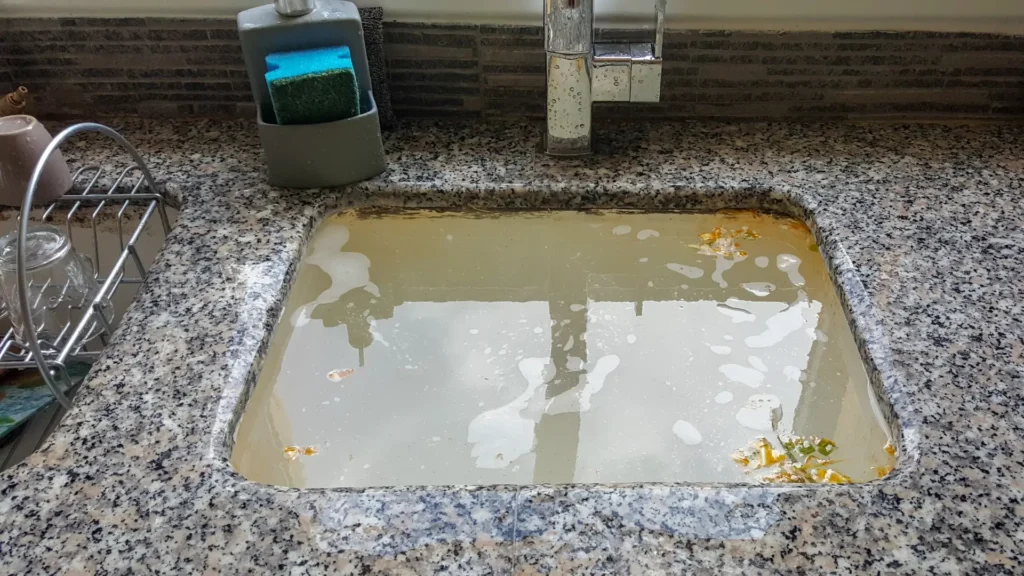
- Serious overflow: This occurs when water consistently backs up, spills onto floors, affects multiple drains, or worsens during rainfall. Serious overflows often point to major blockages, pipe damage, or problems in the main sewer or stormwater line.
Recognising the difference early can help you avoid unnecessary stress, water damage, and costly repairs.
Common Causes Of Drain Overflows
Several underlying issues can prevent water from flowing freely through your drainage system. Below are the most common causes seen in Auckland homes.
- Blockages (hair, kitchen grease, wipes): Everyday items are the leading reason drains overflow. Hair builds up in bathroom drains, while grease and food scraps solidify inside kitchen pipes. Wet wipes and paper towels, even those labelled “flushable,” do not break down easily and can create stubborn blockages.
- Tree roots in pipes: Tree roots naturally seek moisture and can enter drains through small cracks or joints. Over time, roots grow inside the pipe, restricting flow and trapping debris, which often leads to recurring overflows.
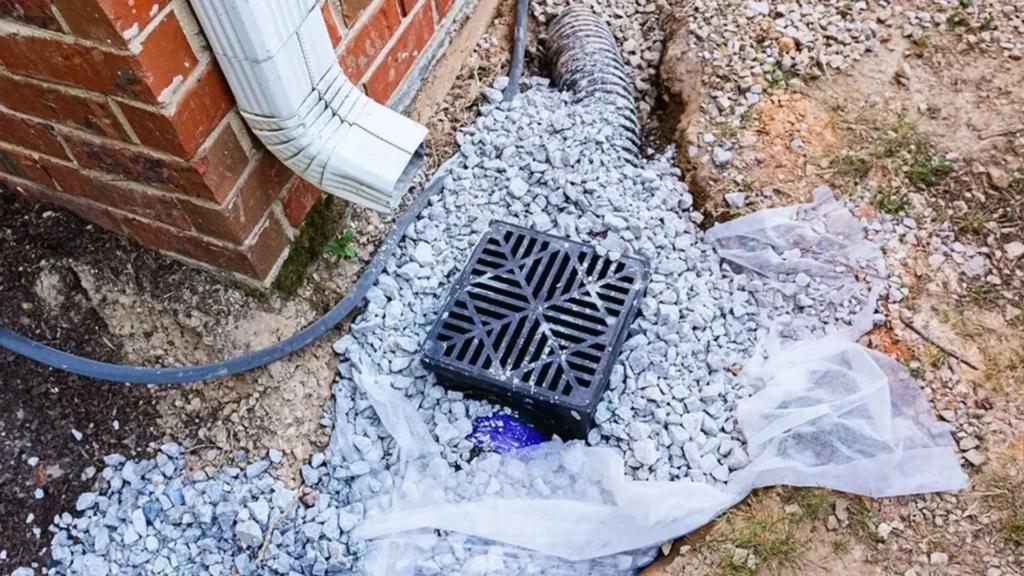
- Heavy rain and stormwater overload: Auckland’s intense rainfall can overwhelm stormwater systems, especially if drains are already partially blocked. When stormwater has nowhere to go, it can push back into household drains.
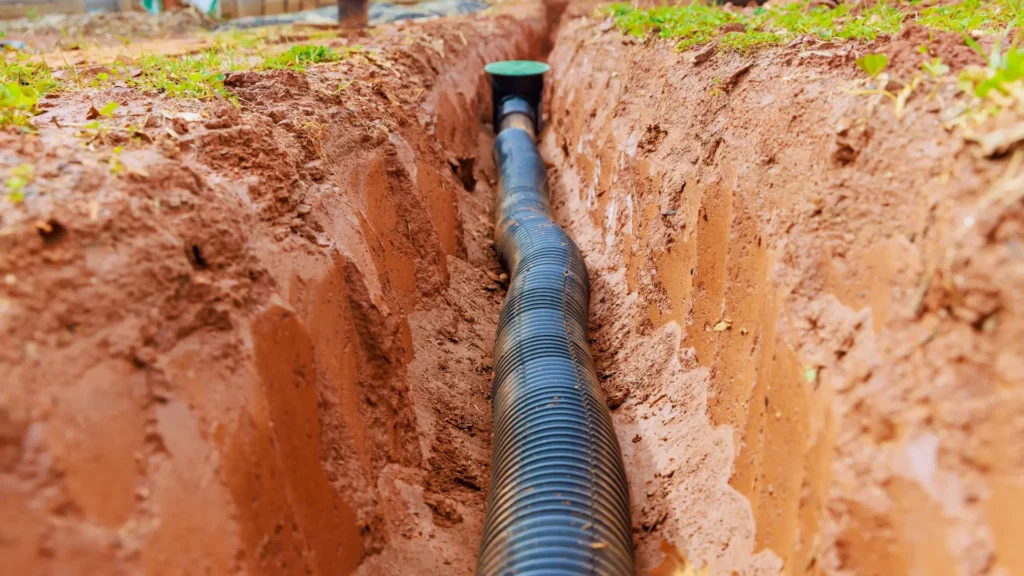
- Broken or collapsed pipes: Older pipes made from clay or concrete can crack, collapse, or shift due to ground movement. These structural issues restrict water flow and often cause persistent drain problems that cannot be fixed with DIY methods.
Auckland-Specific Drainage Challenges
Auckland drain issues are often influenced by local conditions. Many neighbourhoods have ageing drainage infrastructure that is more prone to wear and tear. Combined with mature trees and increasingly heavy rainfall in some suburbs, this creates a higher risk of drain blockages and overflows. Homes built decades ago may also have pipe systems that no longer meet modern demands, making them more vulnerable during peak water usage or storms.
Understanding these local factors helps homeowners take a proactive approach, whether that means regular maintenance, careful disposal habits, or seeking professional inspections before problems escalate.
Immediate Steps To Take When A Drain Is Overflowing
When a drain starts overflowing, the situation can feel overwhelming, especially if water is spreading quickly. Acting fast and making the right choices in the first few minutes can significantly reduce damage and help stop the problem from getting worse. The steps below focus on safety, containment, and preventing further strain on your drainage system.
- Stay calm and stop using water immediately:
As soon as you notice an overflowing drain, stop all water use in the affected area. Running taps, flushing toilets, or using appliances can push more water into an already blocked system, making the overflow worse. Taking a pause helps stabilize the situation while you assess what is happening. - Turn off washing machines, dishwashers, and connected fixtures:
If your washing machine, dishwasher, or nearby toilet connects to the same drainage line, turn them off right away. Even appliances that are mid-cycle can continue draining water into the system, increasing pressure and causing further backups in sinks or floor drains. - Protect the surrounding area:
Use towels, buckets, or absorbent materials to contain spreading water and protect floors, cabinets, and nearby furniture. If possible, block off high-traffic areas to prevent slips and keep water from spreading into other parts of the home. This step is especially important in Auckland homes with timber flooring or carpeted areas. - Do not pour chemicals unless you know what you are doing:
Pouring chemical drain cleaners into an overflowing drain can be dangerous and often ineffective. When water is already backing up, chemicals may splash, release fumes, or sit in the pipe without clearing the blockage. In many cases, they can also damage older pipes commonly found in Auckland properties.
Safety First What Not To Do
Protecting yourself and your plumbing system is just as important as stopping the overflow. Some common reactions can actually make the problem more severe or create safety risks.
- Avoid mixing drain chemicals:
Using more than one chemical cleaner can cause harmful reactions that release toxic gases or generate heat. Mixing products does not increase effectiveness and can put your health at serious risk. - Do not insert sharp or rigid objects into the drain:
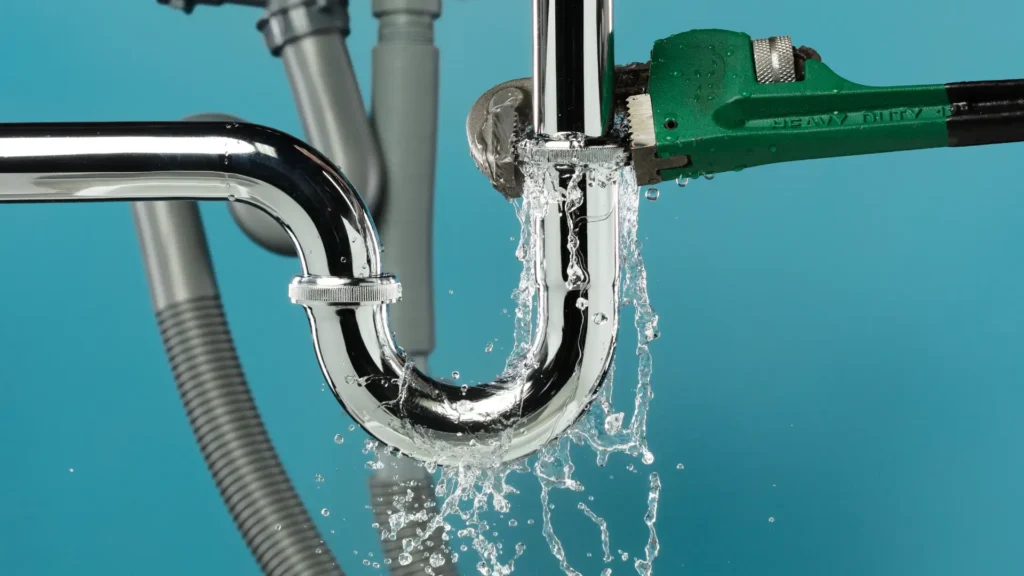
Pushing metal rods, wire hangers, or other sharp tools down the drain can crack or puncture pipes. This can turn a simple blockage into a costly repair, especially if underground pipes are damaged. - Avoid DIY digging if you suspect a broken pipe:
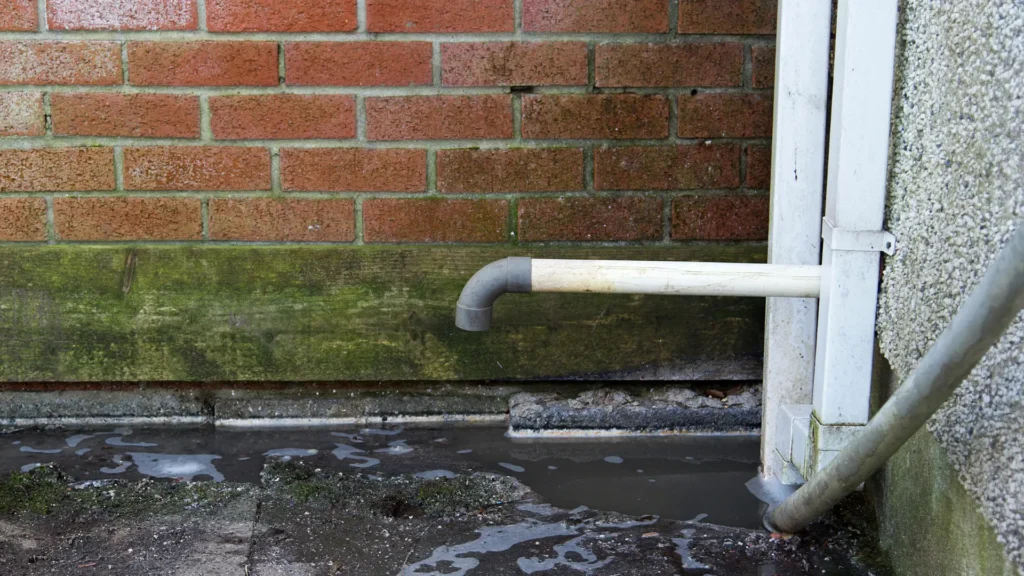
If you notice water pooling outside, soggy ground, or recurring overflows, digging without proper knowledge or equipment can worsen pipe damage. Broken or collapsed pipes require professional assessment to avoid further structural or drainage issues.
Taking these immediate steps can help stop a drain overflow from escalating into major water damage or plumbing failure. Once the situation is under control, you will be in a much better position to decide whether a simple fix is possible or if calling a local Auckland drainage professional is the safest next step.
Quick DIY Checks You Can Try Safely
When a drain starts acting up, it’s natural to want to solve the problem before calling a plumber. In many Auckland homes, simple and safe checks can help identify whether the issue is minor or a sign of something more serious. These steps are designed to help you troubleshoot without risking damage to your plumbing system.
- Check nearby sinks and toilets:
Start by checking other sinks, showers, or toilets in your home. If only one drain is slow or backing up, the blockage is likely close to that fixture. If multiple outlets are affected at the same time, this often indicates a deeper problem in the main drain line, which usually requires professional attention. - Use a plunger on slow but not overflowing drains:
A plunger can be effective for clearing minor clogs caused by soap, hair, or food residue. Ensure there is enough water to cover the plunger head, form a good seal, and plunge steadily. Avoid plunging drains that are already overflowing, as this can force water out onto floors and surrounding areas. - Remove visible debris from grates and drains:
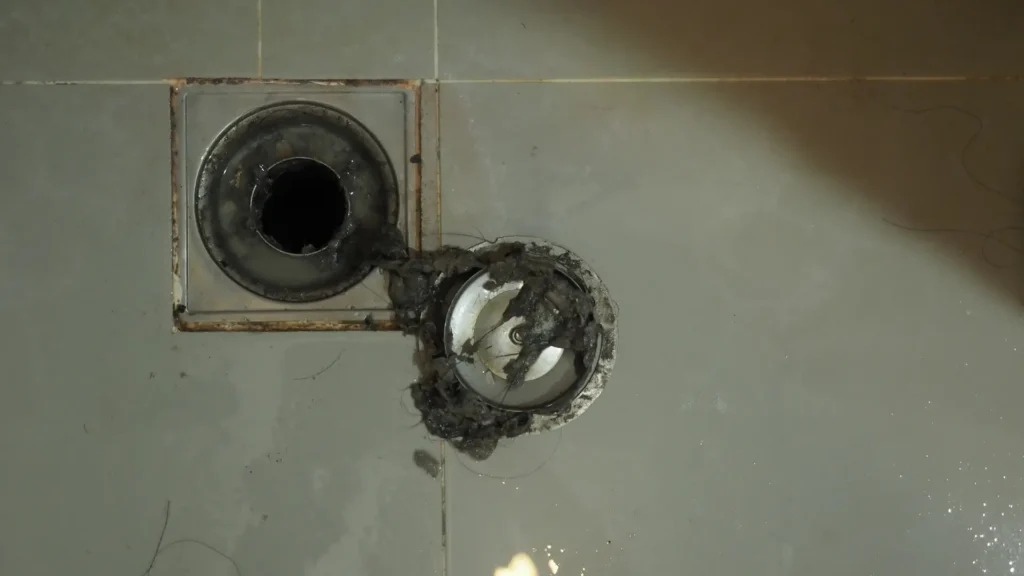
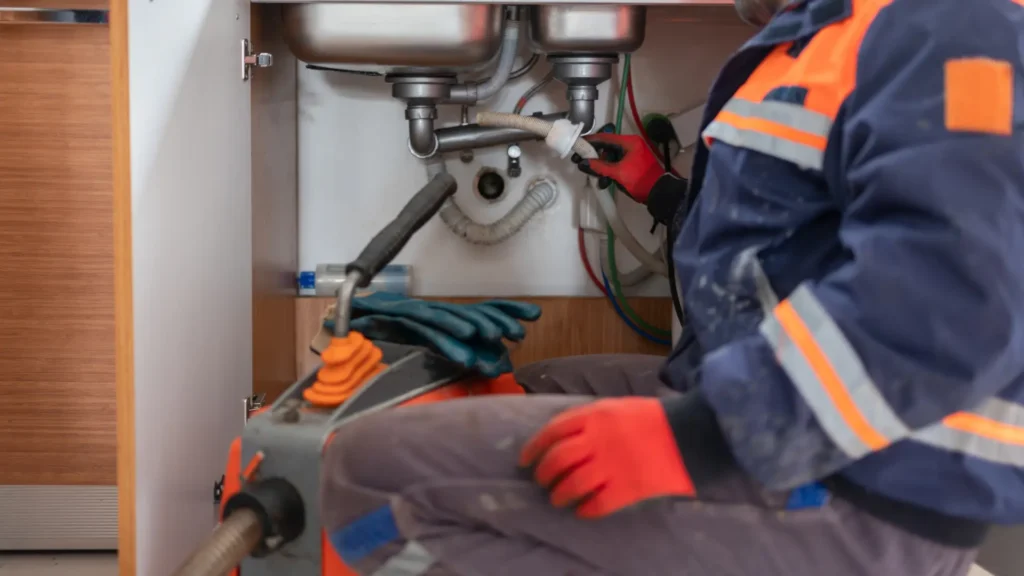
Check shower drains, floor drains, and outdoor grates for visible debris such as hair, leaves, or dirt. Carefully remove anything you can reach by hand or with gloves. In Auckland, outdoor drains can clog quickly after heavy rain, making this step especially important. - Snake the drain gently if you have the right tool:
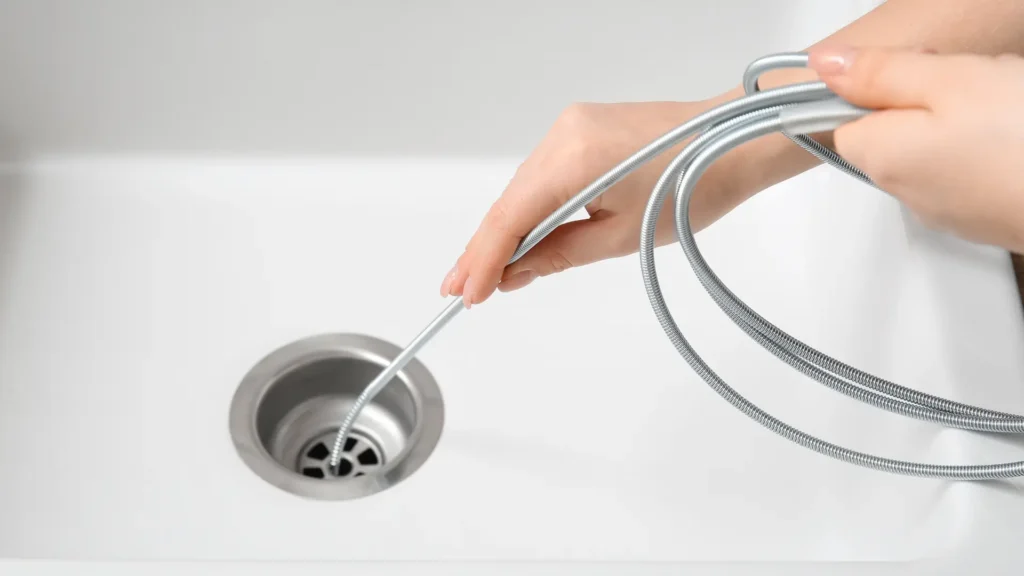
If you have a manual drain snake, insert it slowly into the drain and rotate it gently to catch shallow blockages. Do not force the tool if you meet strong resistance, as this can damage pipes or push the blockage further down the line.
When DIY Helps And When It Doesn’t
Knowing when a DIY drain clog fix is appropriate can save time and prevent further plumbing issues. Some problems are well within the scope of home drain troubleshooting, while others are not.
- Best for superficial clogs:
DIY methods work best for minor blockages near the drain opening, such as hair buildup in showers or grease residue in kitchen sinks. These issues are common and often respond well to plunging or light snaking. - Not helpful for deep blockages, root intrusion, or structural damage:
If the problem keeps returning, affects multiple drains, or worsens during heavy rain, the blockage is likely deeper in the system. Tree roots, collapsed pipes, or damaged drains are common in older Auckland homes and cannot be fixed with household tools.
Trying these simple DIY checks can help you rule out minor issues and understand the severity of the problem. If these steps don’t improve the situation, it’s a strong sign that professional drain services are needed to protect your home and plumbing system.
When It’s Time To Get Expert Help
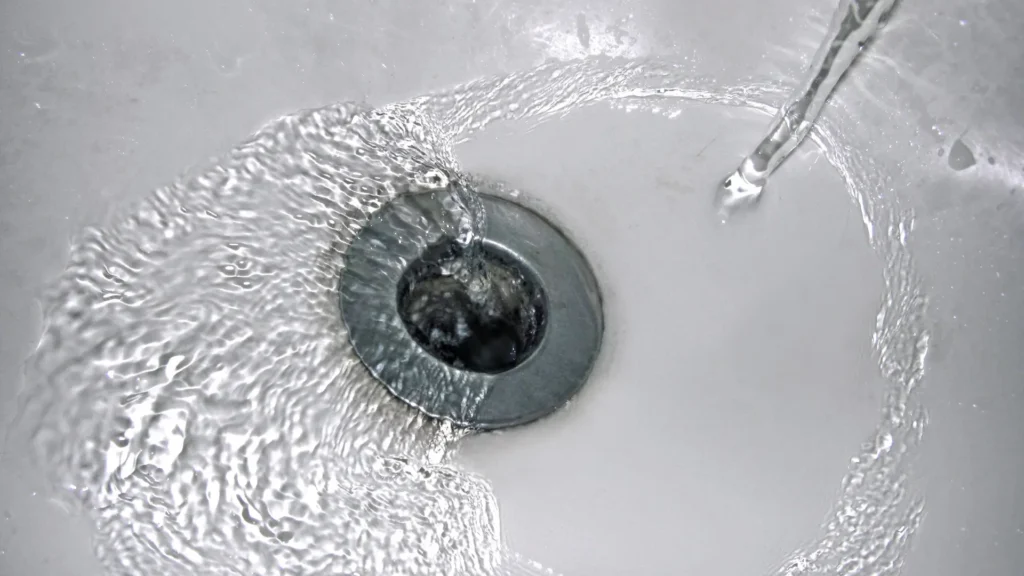
There are situations where an overflowing drain goes beyond a simple blockage and becomes a sign of a deeper plumbing issue. Knowing when to stop troubleshooting and call a professional plumber in Auckland can save you from costly repairs, property damage, and ongoing frustration. If any of the issues below apply to your situation, expert help is the safest and most effective next step.
- Persistent backups:
If your drain continues to overflow even after basic checks or temporary fixes, this usually means the blockage is deep within the drainage system. Repeated backups are often linked to compacted waste, tree root intrusion, or pipe damage that cannot be resolved with household tools. - Multiple drains affected:
When more than one sink, toilet, or floor drain is overflowing or draining slowly, the issue is rarely isolated. This typically points to a blockage in the main sewer or shared drainage line, which requires professional inspection and clearing to prevent widespread flooding. - Foul smells that won’t go away:
Strong, lingering odours coming from your drains can indicate trapped waste, sewer gas buildup, or deteriorating pipes. These smells are not just unpleasant but may also signal health risks, making professional assessment essential. - Evidence of pipe damage:
Signs such as soggy patches in the garden, cracked paving, unexplained wet areas, or visible pipe damage suggest structural problems underground. Ignoring these warning signs can lead to collapsed pipes or major water damage if left untreated.
Addressing these problems early with a qualified professional helps protect your home and prevents minor drainage issues from escalating into emergencies.
Why A Local Plumber Makes A Difference
Choosing a local Auckland plumber provides more than just convenience. Local expertise plays a crucial role in diagnosing and resolving overflowing drain issues effectively.
- Knowledge of Auckland’s drainage systems:
Auckland properties vary widely in age and drainage design. Local plumbers understand common regional issues such as aging pipes, combined stormwater systems, and areas prone to root intrusion, allowing them to identify problems faster and more accurately. - Proper tools and equipment:
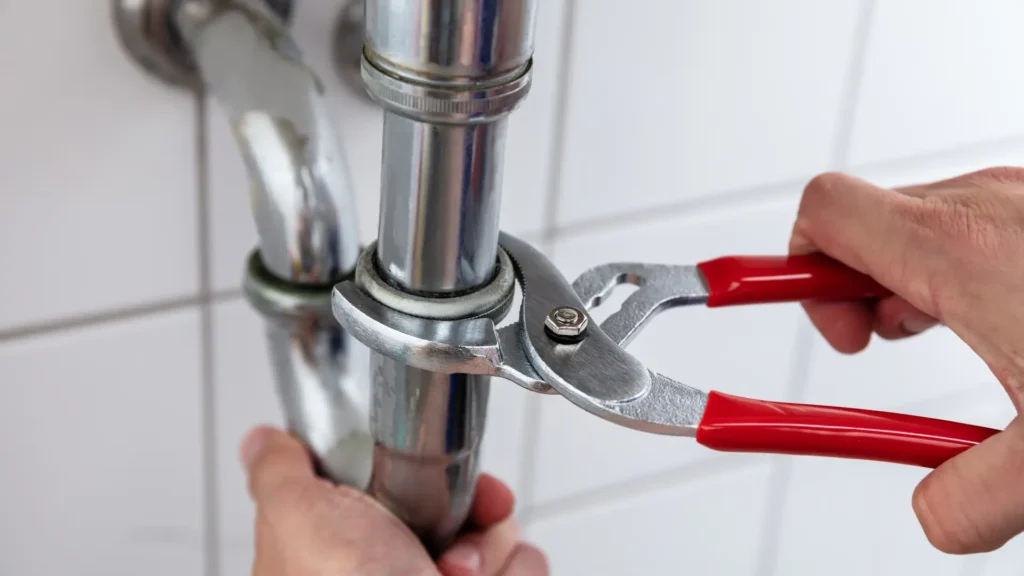
Professional plumbers use advanced tools such as hydro jetting to clear stubborn blockages and CCTV drain inspections to locate hidden issues. These methods are far more effective and safer than DIY approaches, especially for recurring or severe drain overflows. - Faster and safer resolution:
With the right experience and equipment, a local plumber can resolve the issue efficiently while reducing the risk of further damage to your pipes or property. This means less disruption to your home and peace of mind knowing the problem has been properly fixed.
If you are dealing with an overflowing drain and need reliable help, working with an experienced Auckland plumber for overflowing drains or professional drain cleaning services in Auckland ensures the issue is handled correctly from the start.

What Happens During A Professional Drain Service?
When a drain is overflowing and DIY solutions are no longer effective, a professional drain service provides a structured, thorough approach to identify the root cause and fix the problem properly. Qualified plumbers in Auckland don’t just clear the visible blockage; they assess the entire drainage system to prevent repeat issues and potential damage. Below is what typically happens during a professional drain service, explained in clear, practical terms.
Inspection And Blockage Identification
The first step is a detailed inspection to understand exactly what is causing the overflow. Professionals often use CCTV drain cameras to see inside the pipes without digging or dismantling anything.
- CCTV drain camera inspection: A small, waterproof camera is fed into the drain to locate blockages, cracks, tree root intrusion, or collapsed sections of pipe.
- Accurate fault detection: This allows the plumber to pinpoint the exact location and severity of the issue instead of relying on guesswork.
- System-wide assessment: The inspection also reveals whether the problem is isolated or part of a larger drainage issue affecting multiple pipes.
This step is crucial because treating the symptom without finding the cause often leads to recurring overflows.
Clearing Techniques Used By Professionals
Once the blockage is identified, the plumber selects the most effective clearing method based on the type of obstruction and the condition of the pipes.
- Hydro jetting: High-pressure water is used to break down grease, sludge, scale, and debris lining the inside of pipes. This method not only clears the blockage but also cleans the pipe walls thoroughly.
- Mechanical augering: Also known as drain snaking, this involves using a rotating cable to cut through solid obstructions such as tree roots or compacted waste.
- Targeted clearing: Professionals avoid aggressive methods when pipes are old or fragile, ensuring the clearing process does not cause further damage.
These techniques are far more effective and safer than chemical drain cleaners, especially for severe or recurring blockages.
Repair Options For Damaged Drains
If the inspection reveals structural damage rather than a simple blockage, repair work may be necessary to permanently resolve the overflow.
- Pipe relining: A non-invasive method where a resin liner is inserted into the damaged pipe and cured in place, creating a new pipe inside the old one.
- Pipe replacement: Used when pipes are severely collapsed or beyond repair, often limited to the affected section rather than the entire system.
- Root intrusion solutions: Barriers or repairs may be recommended to prevent tree roots from re-entering the drain.
The goal is always to choose the least disruptive and most cost-effective repair option while ensuring long-term reliability.
After-Service Checks And Testing
Once clearing or repairs are completed, professionals carry out final checks to confirm the problem has been resolved.
- Flow testing: Water is run through the system to ensure drains are flowing freely and no backups occur.
- Secondary inspection: In some cases, another camera check is done to confirm the blockage or damage has been fully addressed.
- Preventive advice: Homeowners are often given practical tips to reduce the risk of future drain overflows.
These checks provide reassurance that the service has fixed the issue properly, not just temporarily.
Cost Ranges And What Influences Pricing
The cost of fixing an overflowing drain in Auckland can vary depending on several factors, but professionals usually provide clear explanations before proceeding.
- Severity of the blockage: Simple blockages are generally quicker and less expensive to fix than deep or recurring issues.
- Repair requirements: Pipe relining or replacement will cost more than clearing alone.
- Access and location: Hard-to-reach drains or underground damage can affect pricing.
While exact figures depend on the situation, addressing a drain overflow early is typically far more affordable than dealing with extensive water damage or emergency repairs later.
How To Keep Your Drains Flowing Smoothly
Preventing a drain overflow is almost always easier and cheaper than dealing with one after it happens. With Auckland’s mix of older drainage systems, tree-lined properties, and frequent heavy rain, proactive drain care plays a big role in avoiding unexpected blockages. By building a few smart habits into your routine and staying ahead of seasonal risks, you can significantly reduce the chances of future drain problems and costly repairs.
Everyday Habits To Prevent Blockages
Small daily actions inside your home have a major impact on long-term drain health. Most drain overflows start with gradual buildup rather than sudden failure.
Kitchen:
- Avoid pouring cooking oils, fats, and grease down the sink, even if they are liquid at the time. These substances cool and solidify inside pipes, trapping food particles and leading to stubborn blockages.
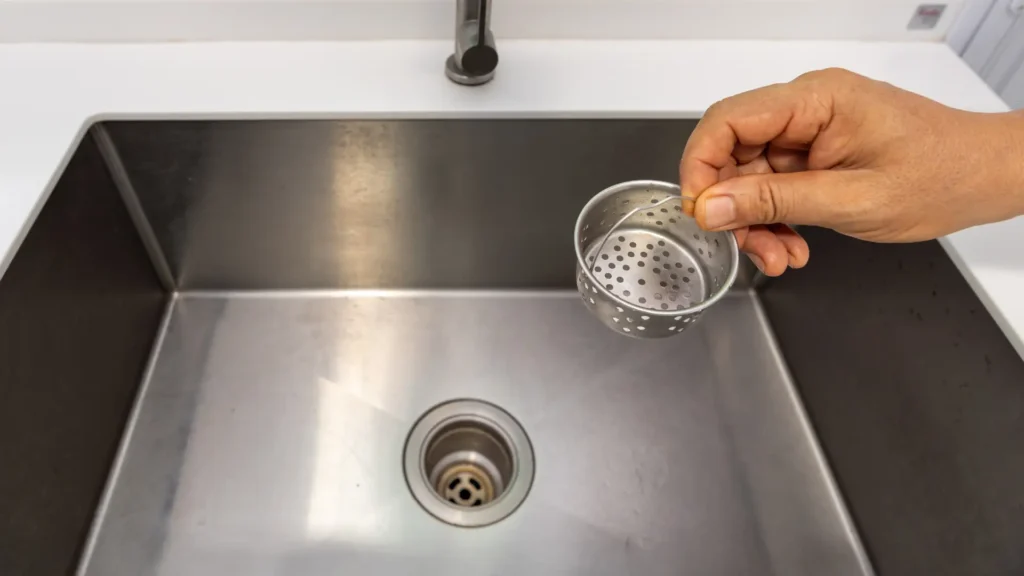
- Scrape food scraps into the bin before washing dishes and use a sink strainer to catch debris.
Bathroom:
- Install hair traps in shower and bath drains to prevent hair from entering the pipe system. Hair is one of the most common causes of slow drains and eventual overflows.
- Avoid flushing wipes, sanitary products, or paper towels, even if they claim to be flushable.
Laundry:
- Use a lint catcher or filter on washing machine outlets. Lint, fabric fibers, and detergent residue can accumulate in pipes over time, especially in older Auckland homes.
- Run an occasional hot water cycle without laundry to help clear minor buildup.
Developing these habits consistently is one of the most effective ways to prevent drain overflow before it becomes a serious issue.
Seasonal And Weather-Related Care
Auckland’s weather plays a major role in drainage performance, particularly during periods of heavy rainfall. Seasonal maintenance can prevent outdoor water from overwhelming your system.
- Clear leaves, dirt, and debris from outdoor drains, gully traps, and grates before the wetter months begin. Blocked outdoor drains can force stormwater back into household plumbing.
- Check garden irrigation systems regularly to ensure water is not pooling near underground pipes. Constant moisture around pipe joints can weaken them over time and contribute to cracks or root intrusion.
- After storms, inspect outdoor areas for slow-draining water, which may indicate developing blockages.
Staying ahead of weather-related risks is especially important in flood-prone or low-lying Auckland suburbs.
Scheduled Maintenance
Even with good habits and seasonal care, professional maintenance remains an important part of long-term drain health. Some issues develop deep within the system and are not visible until they cause an overflow.
- Professional drain inspections conducted annually can identify early signs of blockages, tree root intrusion, or pipe damage before they escalate.
- Many local Auckland plumbing services offer preventative maintenance plans that include routine inspections and cleaning, helping homeowners avoid emergency callouts and unexpected expenses.
Investing in scheduled maintenance provides peace of mind and helps ensure your drainage system continues to function reliably year-round.
Don’t let an overflowing drain turn into expensive water damage or a major plumbing emergency. Our Auckland drainage specialists have the tools, local knowledge, and experience to fix the problem fast—before it gets worse. Visit our website today to book a professional drain inspection or emergency service, and get peace of mind knowing your home is in expert hands.
References
- What To Do When You Have An Overflowing Drain
https://engineerfix.com/what-to-do-when-you-have-an-overflowing-drain/ (Engineer Fix) - How To Keep Drains From Clogging (Family Handyman)
https://www.familyhandyman.com/list/keep-drains-from-clogging/ (Family Handyman) - Common Plumbing Overflow Issues In Your Household
https://www.servicemasterprofessionalrestoration.com/water-damage/water-damage-articles/common-plumbing-overflow-issues (Servicemaster Restore) - Top Drain Maintenance Tips To Keep Pipes Flowing
https://the5starplumbing.com/top-drain-maintenance-tips-to-keep-pipes-flowing/ (The 5 Star Plumbing) - How To Address Clogged Drains And Sewer Backups Step-By-Step Guide
https://www.wagnermechanical.com/blog/how-to-address-clogged-drains-and-sewer-backups-a-step-by-step-guide (wagnermechanical.com)
FAQs: About Drain Overflowing In Auckland
What should I do first if my drain is overflowing in Auckland?
The first thing to do is stop using water immediately to prevent further flooding. Turn off appliances like washing machines or dishwashers and contain the overflow if possible.
Why does my drain overflow more often during heavy rain in Auckland?
Heavy rainfall can overwhelm Auckland’s stormwater systems, especially in older areas, causing water to back up into household drains if there are blockages or poor drainage connections.
Is it safe to use chemical drain cleaners when a drain is overflowing?
No, chemical drain cleaners are not recommended when water is backing up. They can be hazardous, ineffective on severe blockages, and may damage pipes.
How can I tell if the blockage is serious or just a minor clog?
If multiple drains are affected, the problem keeps coming back, or you notice bad smells or outdoor flooding, it’s likely a serious blockage that needs professional attention.
Can I fix an overflowing drain myself?
Minor blockages caused by hair or surface debris can sometimes be cleared with a plunger or drain snake. However, recurring or severe overflows usually require a professional plumber.
What causes recurring drain overflows in Auckland homes?
Common causes include grease buildup, tree roots invading pipes, damaged or collapsed drains, and outdated plumbing systems in older Auckland properties.
When should I call a professional plumber for an overflowing drain?
You should call a plumber if the overflow doesn’t stop, affects multiple fixtures, worsens during rain, or if you suspect pipe damage or sewer issues.
How do plumbers fix overflowing drains?
Professionals typically inspect the drain using CCTV cameras, clear blockages with hydro jetting or mechanical tools, and repair damaged pipes if necessary.
How can I prevent my drains from overflowing in the future?
Regular maintenance, avoiding grease and wipes down drains, clearing outdoor grates, and scheduling periodic professional inspections can help prevent overflows.
How much does it cost to fix an overflowing drain in Auckland?
Costs vary depending on the severity of the blockage and required repairs, but early intervention is usually far cheaper than fixing water damage or replacing pipes.
Conclusion
Dealing with an overflowing drain can be stressful, but taking the right steps early makes a significant difference in protecting your home and avoiding costly repairs. The most important things to remember are to prioritise safety by stopping water use immediately, act quickly to prevent further damage, and recognise when the issue goes beyond a simple blockage. While minor problems can sometimes be managed with basic checks, ongoing backups, foul smells, or overflows during heavy rain are strong signs that professional help is needed. By staying alert to these warning signals and not delaying action, Auckland homeowners can reduce disruption and long-term plumbing issues. If you ever feel unsure or the problem keeps returning, it’s worth reaching out to a local drainage expert who understands Auckland’s systems, and bookmarking this guide can help you stay prepared the next time a drain problem catches you off guard.