Welcome to your complete guide on identifying blocked drain signs in Auckland before they turn into costly and stressful problems. From slow-draining sinks and unpleasant smells to gurgling pipes and outdoor overflows, blocked drains are a common issue across Auckland homes due to heavy rainfall, tree roots, and ageing pipe systems. Many homeowners don’t realise there’s a problem until water backs up or damage has already occurred, which is why knowing the early warning signs can save you time, money, and unnecessary disruption. In this guide, we’ll walk you through the most common symptoms, what causes them, and when it’s time to take action—so you can protect your home and avoid bigger plumbing issues down the line.
Blocked drain signs in Auckland often include slow-draining sinks or showers, gurgling noises from pipes, unpleasant sewer smells, water backing up into other fixtures, and outdoor drains overflowing after heavy rain. These signs usually indicate a partial or growing blockage caused by grease buildup, tree roots, storm debris, or ageing pipes, and should be addressed early to prevent damage or flooding.
Table of Contents
What Causes Blocked Drains In Auckland Homes?
Blocked drains in Auckland homes rarely happen without warning or reason. In most cases, they develop gradually due to a mix of everyday household habits and local environmental factors. Understanding what actually causes drain blockages helps homeowners spot problems earlier and take practical steps to prevent them from escalating into costly repairs.
Everyday Household Causes
Many drain blockages start inside the home through normal daily use. Over time, small amounts of waste can slowly build up inside pipes until water can no longer flow freely.
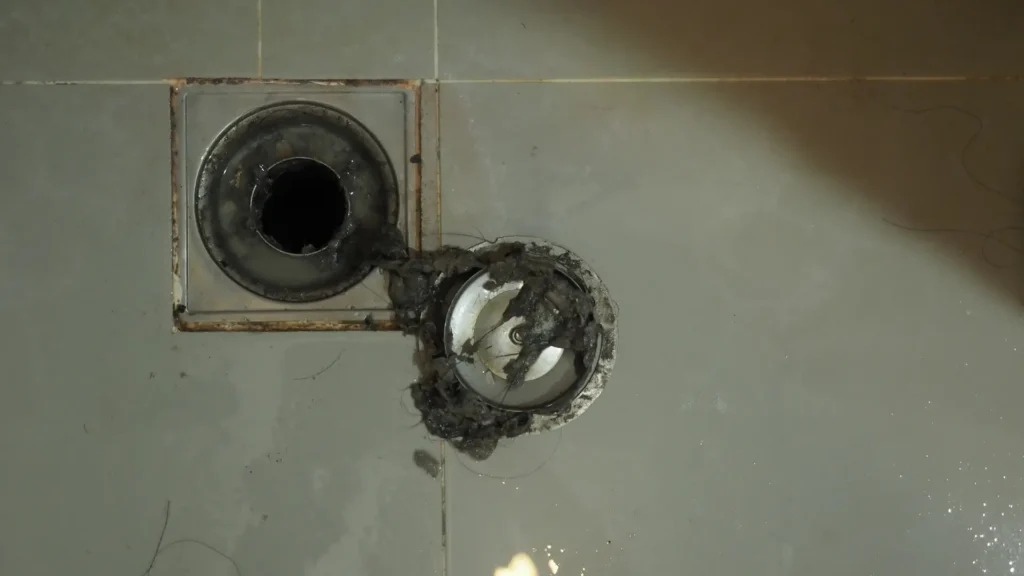
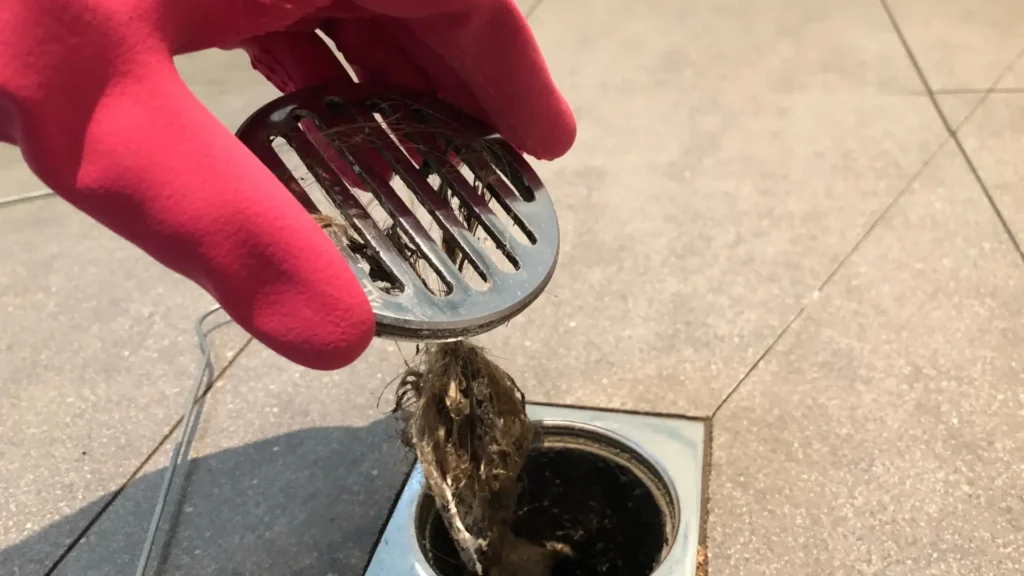
- Hair, grease, food scraps, wipes: Hair commonly collects in bathroom drains, while grease and food scraps stick to pipe walls in kitchen sinks. Even products labelled as “flushable,” such as wipes, do not break down easily and can quickly form stubborn blockages when combined with other waste.
- Soap and detergent buildup: Soap residue and detergents can leave behind a filmy layer inside pipes. Over time, this buildup traps hair, dirt, and grease, gradually narrowing the pipe and slowing drainage without obvious signs at first.
These household causes are especially common when drains are not regularly maintained or when small issues are ignored until they worsen.
Auckland-Specific Causes
In addition to everyday use, Auckland homes face unique conditions that make blocked drains more likely compared to other regions.
- Tree roots common in older suburbs: Many Auckland suburbs have mature trees and older underground pipe systems. Tree roots naturally seek out moisture and can enter small cracks in pipes, eventually growing large enough to restrict or completely block water flow.
- Heavy rainfall overwhelming drainage systems: Auckland’s frequent heavy rain can place sudden pressure on both stormwater and wastewater systems. When drains are already partially blocked, excess rainwater can cause backups or overflows.
- Silt and debris from storms: Storms can wash dirt, leaves, and debris into outdoor drains and gully traps. This material settles inside pipes and gradually builds up, especially if drainage systems are not cleared after severe weather.
- Older clay or concrete pipes: Many Auckland homes still rely on older clay or concrete pipes, which are more prone to cracking, collapsing, and root intrusion compared to modern piping materials.
These local factors often mean that blockages form deeper in the system and are not easily resolved with basic DIY solutions.
Early Warning Signs Of A Blocked Drain
Blocked drains rarely happen without warning. In most Auckland homes, drainage systems give subtle signals long before a full blockage causes flooding or damage. Spotting these early warning signs allows you to deal with the issue while it is still minor, instead of facing costly repairs or emergency callouts later on.
Slow-Draining Sinks, Showers, Or Baths
Slow drainage is often the first sign homeowners notice, and it usually develops gradually rather than overnight.
- Why slow drainage is often the first sign:
When water drains slowly, it usually means grease, hair, soap residue, or food waste has started building up inside the pipe. From a plumber’s perspective, the pipe is still open, but the passage is narrowing. Water can pass through, just not efficiently, which is why sinks and showers take longer to empty. - Why DIY fixes don’t always solve the real issue:
Plungers and chemical cleaners may improve drainage temporarily, but they often only clear a small channel through the blockage. The remaining buildup stays stuck to the pipe walls. Over time, more debris catches on it, and the slow drainage returns, sometimes worse than before.
Gurgling Sounds From Drains Or Toilets
Unusual gurgling or bubbling noises are another early sign that something is not right inside your drainage system.
- What the noise actually means:
Gurgling happens when water struggles to move past a partial blockage and pulls air along with it. Plumbers often explain it as the drain trying to move water and air through a space that has become too tight. - Why air pockets indicate a blockage forming:
In a healthy drain, air flows freely behind the water. When a blockage starts forming, air becomes trapped. As water forces its way through, that trapped air escapes in bursts, creating the gurgling sound. The more frequent the noise, the more likely the blockage is getting worse.
Unpleasant Smells Coming From Drains
Bad smells coming from drains are more than just unpleasant. They are often an early warning sign of trapped waste.
- Sewer smells vs food or grease smells:
Food or grease smells usually come from kitchen sinks and suggest organic waste stuck close to the surface. Sewer smells are stronger and often indicate wastewater or gases trapped further down the pipe due to a developing blockage. - Why odours shouldn’t be ignored:
From a plumber’s point of view, smells mean waste is sitting in the pipes instead of flowing away. This stagnant material can lead to bacterial growth and often signals a blockage that will continue to worsen if left untreated.
Water Backing Up In Other Fixtures
Water appearing where it shouldn’t is one of the clearest signs of a drainage problem.
- Sink filling when washing machine runs:
If water rises in the sink when the washing machine drains, it usually means both fixtures share a pipe that is partially blocked. The water has nowhere to go, so it pushes back up through the closest outlet. - Shower flooding when toilet is flushed:
This is a classic sign plumbers look for. Flushing the toilet sends a large amount of water through the system. If there is a blockage, that water can be forced back into the shower or floor drain instead of flowing away properly.
In summary, these early warning signs are your plumbing system’s way of asking for attention. Addressing them early can help prevent major disruptions, protect your property, and avoid the stress and expense of a fully blocked drain.
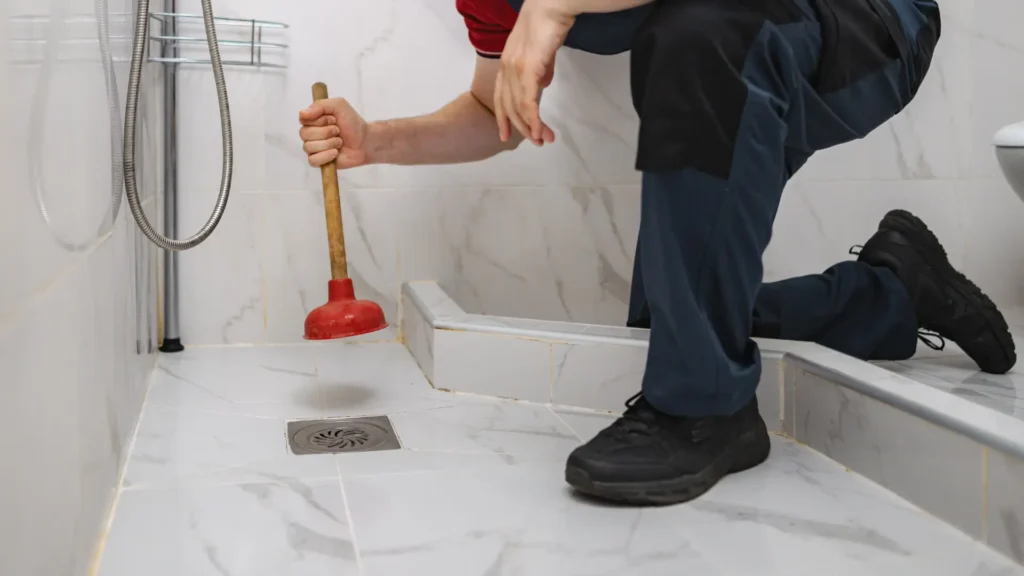
Serious Blocked Drain Signs You Should Never Ignore
Some drain problems go beyond minor inconvenience and point to a more serious underlying issue. When these warning signs appear, delaying action can lead to property damage, health risks, and significantly higher repair costs. Understanding what these signs mean helps you respond before the situation escalates.
Repeated Or Complete Drain Blockages
A drain that keeps blocking or stops working entirely is rarely a coincidence. While a one-off blockage can happen due to everyday waste, repeated or complete blockages usually signal a deeper problem within the drainage system.
Common reasons recurring blockages indicate a serious issue include:
- Pipe damage or collapse: Cracked, misaligned, or collapsed pipes restrict water flow and allow debris to build up quickly.
- Tree root intrusion: Roots naturally seek moisture and can enter small cracks in underground pipes, causing repeated obstructions.
- Severe internal buildup: Long-term grease, scale, or sediment buildup narrows the pipe diameter and prevents proper drainage.
- Incorrect pipe gradients: Poor installation or ground movement can cause pipes to slope incorrectly, allowing waste to settle instead of flowing away.
When blockages return despite clearing attempts, it is a strong sign that the issue is structural rather than surface-level.
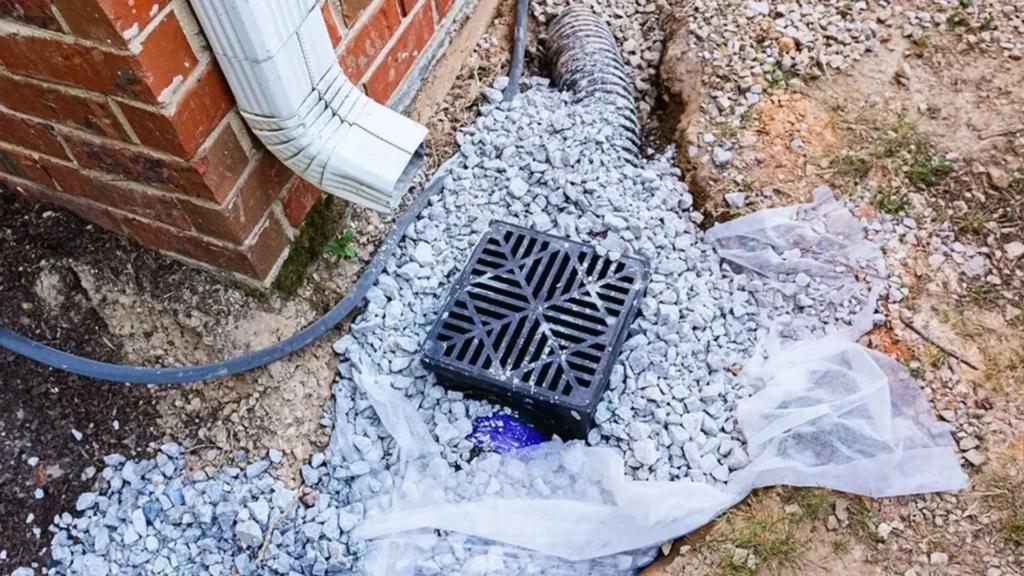
Overflowing Drains Or Outdoor Gully Traps
Outdoor drain overflows are one of the clearest indicators of a serious drainage problem. A gully trap is a small external drain, usually located near bathrooms or kitchens, designed to safely release wastewater if the main drain becomes blocked.
In simple terms, gully traps act as a pressure release point to prevent sewage from backing up into your home. When wastewater overflows from a gully trap, it means the drainage system cannot cope with the volume of water passing through it.
Why outdoor overflow should never be ignored:
- Sewage exposure: Overflowing wastewater can contain harmful bacteria and contaminants.
- System overload: It indicates a blockage that is restricting the entire drainage line.
- Risk of internal flooding: If the gully trap cannot release pressure, water may back up inside the house instead.
- Environmental damage: Wastewater spilling into soil or stormwater systems can cause contamination.
Any visible overflow outdoors is a red flag that requires prompt professional attention.
Water Pooling Around Your Property
Standing water around your home often points to drainage issues that are not immediately visible. Pooling water can develop gradually or appear suddenly after rainfall, and both scenarios deserve attention.
Key signs to watch for include:
- Lawn saturation: Constantly wet patches of grass may indicate a leaking or blocked underground drain allowing water to escape into the soil.
- Driveway or garden flooding: Water collecting on hard surfaces or in garden beds suggests that drainage pipes are unable to carry water away effectively.
- Potential foundation risks: Excess moisture near foundations can weaken soil, leading to structural movement or long-term damage to the building.
Water pooling is more than a surface issue. Over time, it can compromise the stability of your property and create ongoing moisture problems that are costly to fix.
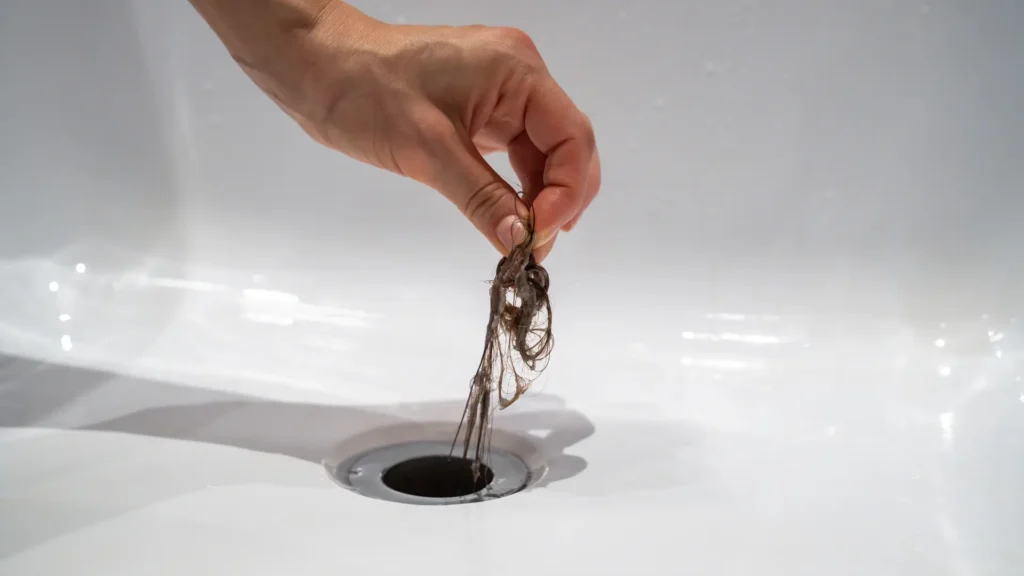
Health And Property Risks Of Ignoring Blocked Drains
Blocked drains are often dismissed as a small inconvenience, especially when water still drains slowly or the issue appears to come and go. In reality, even a minor blockage can create ongoing health concerns and gradual property damage if left unresolved. Understanding these risks allows homeowners to act early without unnecessary alarm and helps prevent problems from escalating over time.
Bacteria And Mould Growth
Blocked drains create damp, enclosed environments where bacteria and mould can grow quickly. Trapped waste, moisture, and limited airflow all contribute to conditions that allow harmful microorganisms to thrive.
- Health concerns: Exposure to bacteria and mold can cause allergies, respiratory irritation, and skin issues, particularly for children, elderly residents, or those with existing breathing conditions.
- Hidden spread: Mould growth is not always visible and may develop behind walls, under flooring, or inside cabinetry where moisture builds up unnoticed.
Left untreated, this growth can slowly affect both indoor hygiene and long-term health.
Bad Air Quality
Unpleasant odours are one of the most common signs of a blocked drain and are often linked to trapped waste or sewer gases. While smells may seem like a minor issue, they can indicate reduced air quality inside the home.
- Indoor air impact: Sewer gases and stagnant air can make bathrooms, kitchens, and laundry areas uncomfortable to use.
- Ventilation disruption: Drain blockages can interfere with proper plumbing ventilation, causing odours to linger longer than normal.
Consistent smells usually signal that the drainage system is not functioning as it should.
Structural Damage
When water cannot flow through drains correctly, it often escapes into surrounding areas. Over time, this can cause damage to the structure of the property.
- Water seepage: Excess moisture can move into walls, foundations, or concrete slabs.
- Material deterioration: Prolonged exposure to moisture can weaken timber, damage plasterboard, and affect flooring materials.
- Rising repair costs: Structural issues often develop slowly, making them more expensive to repair once visible damage appears.
Early attention to drainage issues helps protect the overall integrity of the home.
Pest Attraction
Blocked drains can attract pests by providing access to water, food residue, and shelter. This can introduce additional problems that extend beyond the drainage system itself.
- Common pests: Rats, flies, cockroaches, and other insects are frequently drawn to blocked or overflowing drains.
- Easy entry points: Cracked pipes or overflowing outdoor drains can create access points into the home.
- Health risks: Pests can spread bacteria and contaminate living spaces, increasing health concerns.
Maintaining clear drains reduces the likelihood of pests becoming an issue around the property.
Insurance Implications
Blocked drains can sometimes affect insurance outcomes depending on how the issue developed and how quickly it was addressed.
- Maintenance responsibility: Some insurers may view blocked drains as a maintenance issue rather than sudden damage.
- Coverage limitations: Damage caused by long-term neglect may not be fully covered by insurance.
- Importance of early action: Prompt repairs and regular maintenance records can help reduce complications if a claim is needed.
Blocked drains rarely improve on their own, but addressing them early can prevent health risks and protect your property from long-term damage. By recognising the potential consequences and taking a proactive approach, homeowners can maintain a safer living environment and avoid unnecessary repair costs in the future.
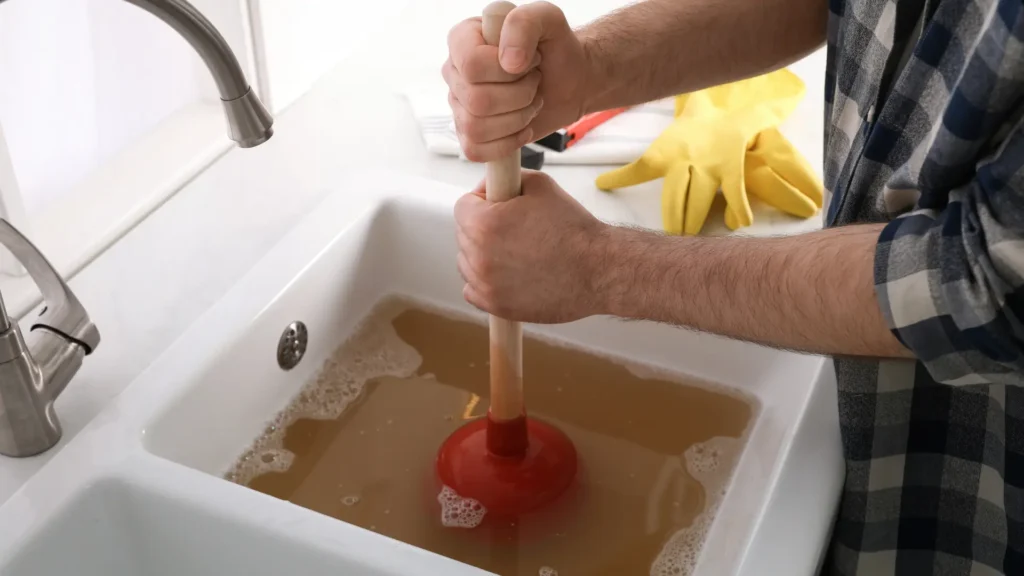
Can You Fix A Blocked Drain Yourself?
Many homeowners in Auckland try to fix a blocked drain themselves before calling a professional, and in some cases, that approach can work. Simple blockages often start small, and knowing when a DIY fix is reasonable can help you act quickly and avoid unnecessary costs. The key is understanding the limits of home solutions and recognising when a blockage is more serious than it first appears.
When DIY Might Work
Some drain issues are minor and close to the surface, which means they can sometimes be resolved safely without specialist tools. These situations usually involve everyday buildup rather than structural or deep pipe problems.
- Minor hair or soap blockages:
Hair, soap residue, and light grease buildup commonly affect bathroom sinks and shower drains. If water is draining slowly but not backing up, the blockage is often located near the drain opening. Removing visible debris and flushing the drain with hot water may improve flow and prevent the blockage from worsening. - Safe use of plungers:
A plunger can be effective when used correctly on sinks, toilets, or shower drains. Creating a tight seal and using steady pressure can help loosen soft blockages without damaging pipes. This method works best when only one fixture is affected and there are no signs of water backing up elsewhere in the home.
When DIY Makes Things Worse
While DIY solutions can seem convenient, they can also cause more harm than good if the underlying issue is more complex. Many blocked drain problems in Auckland homes involve deeper pipes, older materials, or external factors that household tools cannot resolve.
- Chemical drain cleaners:
Store-bought drain cleaners may promise quick results, but they often provide only temporary relief. These chemicals can corrode pipes over time, especially in older Auckland homes with clay or metal plumbing. They may also harden certain types of blockages, making them more difficult to remove later. - Pushing blockages deeper:
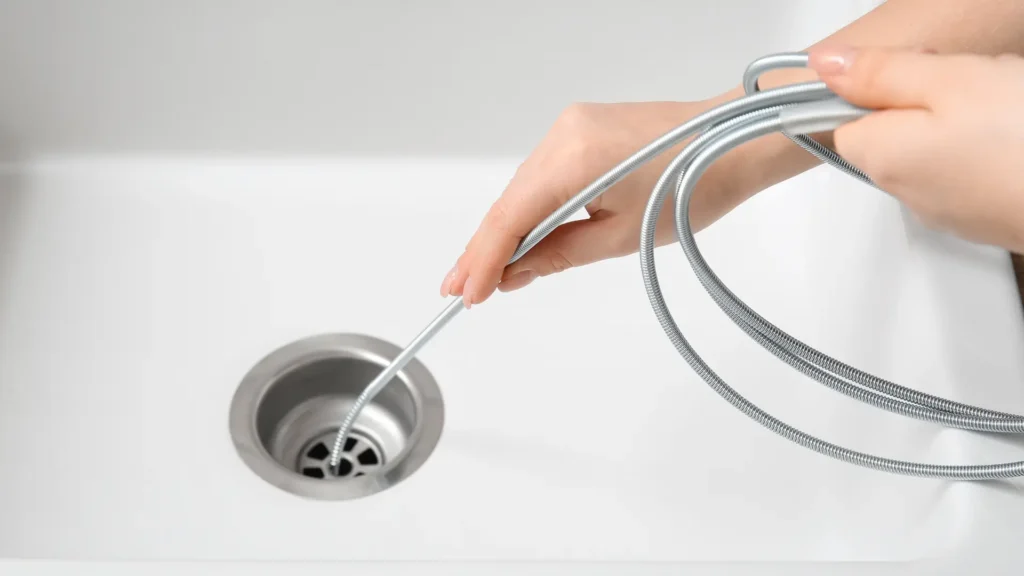
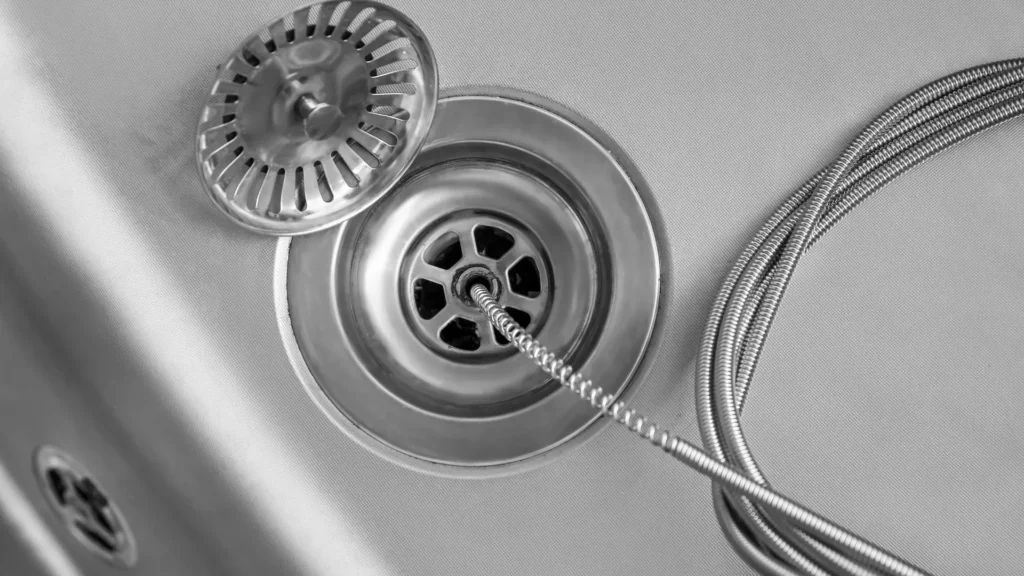
Using drain snakes or improvised tools without proper technique can force debris further into the pipe. This can turn a small blockage near the drain opening into a deeper obstruction that affects multiple fixtures and requires professional equipment to fix. - Risk to old Auckland pipe systems:
Many Auckland properties have ageing drainage systems that are more fragile than modern pipes. Aggressive DIY methods can crack or dislodge older pipes, leading to leaks, water damage, or even collapsed sections underground.
Knowing when to stop is just as important as knowing when to try a simple fix. If a blockage keeps returning, affects more than one drain, or worsens after DIY attempts, it is usually a sign that professional assessment is needed. Addressing the issue early can save time, reduce repair costs, and help protect your home from more serious drainage problems.
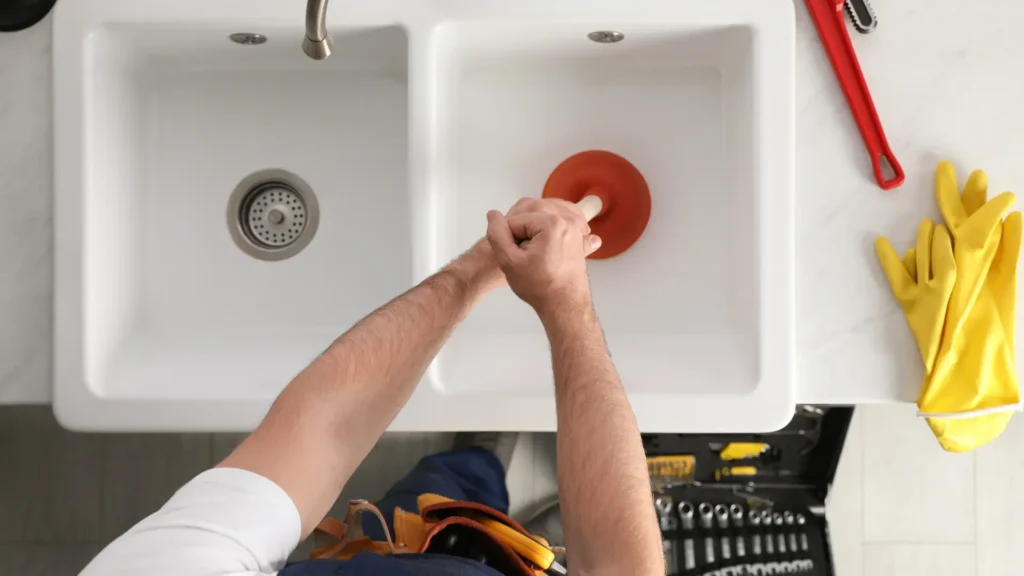
When To Call A Professional Drain Specialist In Auckland
Blocked drains don’t always start as emergencies, but there comes a point where home remedies and basic tools are no longer enough. Knowing when to call a professional drain specialist can help Auckland homeowners avoid pipe damage, health risks, and expensive repairs. This section explains the clear warning signs, the professional tools involved, and why local expertise matters.
Signs That Indicate Professional Tools Are Needed
Some drain issues go beyond surface-level blockages and require specialised equipment to diagnose and fix properly. If you notice any of the following signs, it’s usually time to call a professional.
- Repeated blockages: If the same drain keeps blocking even after plunging or cleaning, it often means the obstruction is deeper in the pipe system.
- Multiple fixtures affected: When sinks, toilets, and showers are all draining poorly, the issue is likely in the main drain rather than a single pipe.
- Water backing up or overflowing: Sewage backing up into fixtures or outdoor drains overflowing is a strong indicator of a serious blockage.
- Persistent foul odours: Ongoing sewer smells can signal trapped waste or a blockage that basic cleaning can’t reach.
- Outdoor pooling or soggy ground: Unexplained water pooling in the yard or near drains can point to underground drainage issues.
These signs suggest that professional-grade tools are needed to locate and remove the blockage safely and effectively.
CCTV Drain Inspections
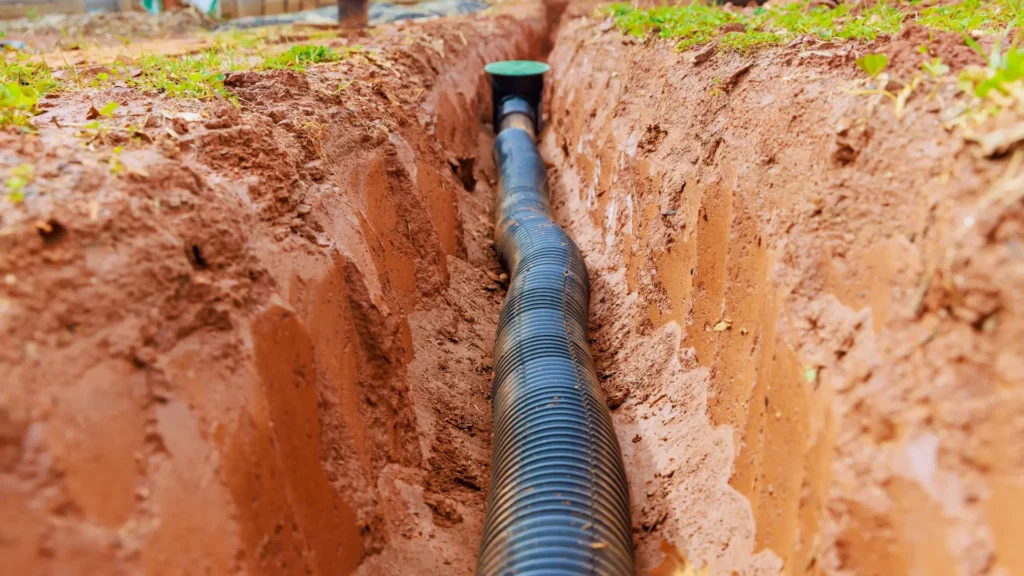
CCTV drain inspections are one of the most effective ways to diagnose blocked drains accurately, especially in Auckland homes with older or underground pipe systems. Instead of guessing where the problem is, a small camera is inserted into the drain to provide a clear view of the inside of the pipes.
This method helps identify issues such as tree root intrusion, cracked or collapsed pipes, grease buildup, and foreign objects. For Auckland properties, where tree roots and ageing infrastructure are common causes of blockages, CCTV inspections allow targeted repairs without unnecessary digging or disruption. It also helps ensure the correct solution is applied the first time.
Hydro-Jetting Vs Basic Clearing
Not all drain blockages require the same level of intervention, which is why understanding the difference between hydro-jetting and basic clearing is helpful.
- Basic drain clearing typically involves removing simple blockages caused by hair, soap, or minor debris using mechanical tools. This can be effective for early-stage or isolated issues but may not fully clean the pipe walls.
- Hydro-jetting uses high-pressure water to thoroughly clean the inside of pipes, removing grease, sludge, roots, and stubborn buildup. It is especially effective for recurring blockages or drains affected by Auckland’s heavy rainfall and storm debris. While more intensive, hydro-jetting restores proper flow and helps prevent future issues.
Why Auckland-Specific Experience Matters
Drain systems in Auckland are influenced by local factors such as frequent rain, clay soils, large tree networks, and older plumbing materials. A professional with Auckland-specific experience understands how these conditions affect drainage and can choose the most suitable solution for local homes and businesses.
This local knowledge helps ensure blockages are addressed correctly, whether they stem from stormwater issues, root intrusion, or worn pipes common in certain suburbs. It also reduces the risk of temporary fixes that don’t account for Auckland’s unique environment.
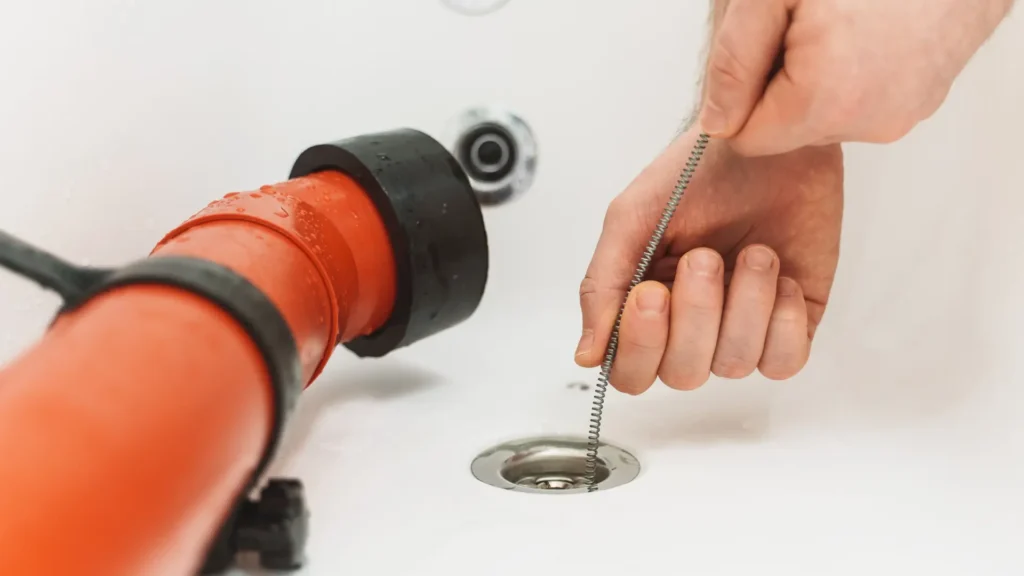
How Often Should Auckland Homes Check Their Drains?
Regular drain checks are an essential part of maintaining a healthy home, particularly in Auckland where heavy rainfall, ageing pipes, and tree-lined streets can place extra strain on drainage systems. Many drain issues develop gradually and remain unnoticed until a blockage or overflow occurs, which is why routine inspections play a key role in preventing costly and disruptive problems.
Annual Checks for Older Homes
Older Auckland homes often rely on clay, concrete, or early PVC piping, which can weaken or shift over time. These systems are more susceptible to cracks, joint movement, and internal buildup.
- Why annual checks matter: Ageing pipes can develop hidden faults that slowly worsen without obvious warning signs.
- Common issues found: Small cracks, early root intrusion, and residue buildup that restricts water flow.
- Long-term benefit: Annual inspections help extend the life of older drainage systems and reduce unexpected repair costs.
After Major Storms
Auckland’s frequent heavy rain can overwhelm drainage systems, especially if drains are already partially blocked or exposed to outdoor debris.
- Why storms cause blockages: Rainwater can carry leaves, dirt, and sediment into stormwater drains and gully traps.
- Signs to check for: Pooling water, slow drainage, or overflowing outdoor drains after rainfall.
- Preventative value: Post-storm drain checks help ensure the system can cope with future weather events.
If Your Property Has Large Trees Nearby
Large or mature trees are a common feature in many Auckland neighbourhoods, and their root systems can pose an ongoing risk to underground pipes.
- Why roots enter drains: Roots seek moisture and can penetrate even small gaps or joints in drainage pipes.
- Ongoing risk: Once inside, roots continue to grow and trap waste, leading to repeat blockages.
- Recommended frequency: Homes near large trees benefit from more frequent drain inspections to prevent root damage.
For Landlords and Rental Properties
Drainage issues can quickly become a major inconvenience for tenants and may result in costly emergency repairs if ignored.
- Why regular checks are important: Blocked drains can disrupt daily living and lead to property damage.
- Protecting your investment: Routine inspections reduce the likelihood of serious issues and help maintain property value.
- Best practice: Scheduling drain checks between tenancies or during regular maintenance visits helps prevent avoidable problems.
How often Auckland homes should check their drains depends on factors such as property age, surrounding environment, and weather exposure. Staying proactive with regular inspections helps prevent unexpected issues, protects your property, and ensures your drainage system continues to function reliably year-round.
How To Prevent Blocked Drains In The Future
Preventing blocked drains is often much easier and cheaper than dealing with a full blockage or emergency repair. With a few simple daily habits and regular preventative maintenance, Auckland homeowners can significantly reduce the risk of recurring drainage problems and extend the life of their pipes.
Simple Daily Habits
Small, everyday actions play a big role in keeping drains clear. Many blockages start slowly due to habits that seem harmless at the time but cause buildup over months or years.
- What Not to Put Down Drains:
Avoid washing food scraps, coffee grounds, wipes, sanitary products, or excessive soap residue down sinks and toilets. Even items labelled as “flushable” can expand or catch inside pipes, especially in older Auckland drainage systems. - Sink Strainers:
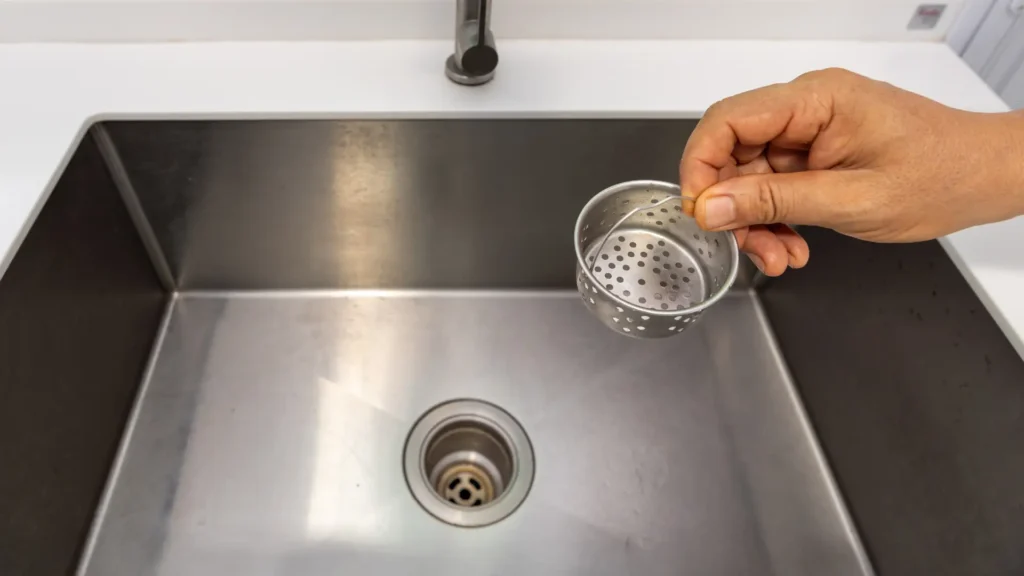
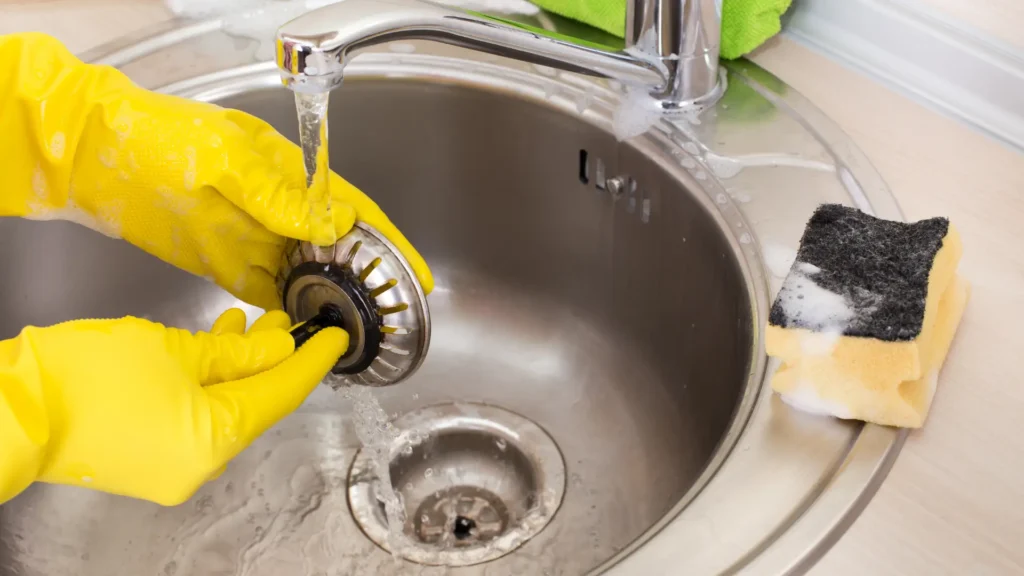
Using sink strainers in kitchens, bathrooms, and laundries helps catch hair, food particles, and debris before they enter the drain. Emptying strainers regularly prevents buildup and keeps water flowing freely. - Grease Disposal:
Pouring grease or cooking oil down the sink is one of the most common causes of blocked drains. Grease cools and hardens inside pipes, trapping other debris over time. Instead, allow grease to cool and dispose of it in a sealed container or absorb it with paper towels before placing it in the rubbish.
Preventative Maintenance
While good habits help, preventative maintenance is essential for long-term drain health, especially in Auckland where weather and tree growth can create additional risks.
- Regular Professional Inspections:
Periodic drain inspections allow professionals to identify early signs of buildup, cracks, or minor blockages before they become serious. This is particularly important for older homes or properties with a history of drainage issues. - Root Management:
Tree roots are a major cause of blocked drains in many Auckland suburbs. Roots naturally seek moisture and can enter small cracks in underground pipes. Managing nearby trees and scheduling root removal when needed can prevent severe damage and recurring blockages. - Stormwater Drain Checks:
Stormwater drains can become blocked by leaves, silt, and debris after heavy rain. Regularly checking and clearing outdoor drains, grates, and gully traps helps prevent water backups and reduces pressure on the entire drainage system.
By combining smart daily habits with proactive maintenance, you can greatly reduce the likelihood of blocked drains and avoid unexpected plumbing problems. A little attention now goes a long way in protecting your home and keeping your drainage system working as it should.
If you’re noticing any of these blocked drain signs in your Auckland home, don’t wait for the problem to get worse. A small blockage today can quickly turn into a major repair tomorrow—especially during heavy rain or peak water use. Visit our website to learn how our experienced local specialists can assess the issue early, provide clear advice, and help you restore proper drainage with minimal disruption.
References
- Comprehensive Guide to Tackling Blocked Drains in Auckland
https://auckland.plumbing/comprehensive-guide-to-tackling-blocked-drains-in-auckland/ (Auckland Plumbers) - 12 Common Signs of a Clogged Drain
https://cpiservice.com/blog/signs-of-clogged-drain/ (CPI Service) - 5 Common Drainage Problems in Auckland Homes and How to Solve Them
https://foxdrainage.co.nz/5-common-drainage-problems-in-auckland-homes-and-how-to-solve-them/ (Fox Drainage | Drainlaying Auckland) - Understanding Drain Blockages in NZ
https://theplumbingcollective.co.nz/guides/understanding-drain-blockages (theplumbingcollective.co.nz) - Signs Your Property Has a Blocked Drain
https://www.bndrainageltd.com/drain-services/blocked-drains/signs-of-blockage (bndrainageltd.com)
FAQs: About Blocked Drain Signs In Auckland
What are the most common blocked drain signs in Auckland homes?
The most common blocked drain signs in Auckland include slow-draining sinks or showers, gurgling noises, unpleasant smells, water backing up in other fixtures, and outdoor drains overflowing after rain. These signs usually indicate a developing blockage that should be addressed early.
Why are blocked drains so common in Auckland?
Blocked drains are common in Auckland due to heavy rainfall, older plumbing systems, tree root intrusion, and storm debris entering drainage pipes. Many Auckland suburbs also have ageing infrastructure that is more prone to blockages.
Can heavy rain cause blocked drains in Auckland?
Yes, heavy rain can contribute to blocked drains by washing debris, silt, and leaves into stormwater systems. If drains are already partially blocked, rainfall can quickly cause backups or overflows.
Is a slow-draining sink always a sign of a blocked drain?
A slow-draining sink is often an early sign of a partial blockage caused by grease, hair, soap residue, or food waste. While it may seem minor at first, it can worsen if left untreated.
Are bad smells from drains a serious issue?
Unpleasant smells from drains can indicate trapped waste or sewer gases caused by a blockage. These smells should not be ignored, as they may signal a deeper drainage problem or health risk.
Can blocked drains damage my property?
Yes, untreated blocked drains can lead to water damage, mould growth, foundation issues, and flooding. Over time, this can result in costly repairs and potential health concerns.
Should I use chemical drain cleaners for blocked drains?
Chemical drain cleaners may provide temporary relief but can damage pipes, especially in older Auckland homes. They can also push blockages deeper, making the problem harder to fix.
When should I call a professional for a blocked drain?
You should contact a professional if blockages keep returning, multiple fixtures are affected, drains overflow, or DIY methods fail. These signs often indicate a deeper or more serious issue.
How can I prevent blocked drains in the future?
Preventing blocked drains involves avoiding grease and food waste in sinks, using drain strainers, maintaining outdoor drains, and scheduling regular inspections, especially if your property has large trees nearby.
How quickly should a blocked drain be fixed?
Blocked drains should be addressed as soon as possible. Early intervention can prevent flooding, pipe damage, and higher repair costs, particularly during Auckland’s wet seasons.
Conclusion
Blocked drains rarely happen overnight, and the warning signs are often there long before the problem becomes disruptive or expensive, which is why early detection matters so much for Auckland homeowners. Paying attention to slow drainage, unusual smells, gurgling sounds, or minor water backups gives you the opportunity to act before a small issue turns into flooding, property damage, or health concerns. Taking a proactive approach not only helps protect your home and plumbing system but can also save you significant time, stress, and repair costs in the long run. The good news is that most blocked drain issues are straightforward to manage when they’re addressed early, and with the right advice or professional support, you can restore proper drainage and enjoy peace of mind knowing your home is well looked after.