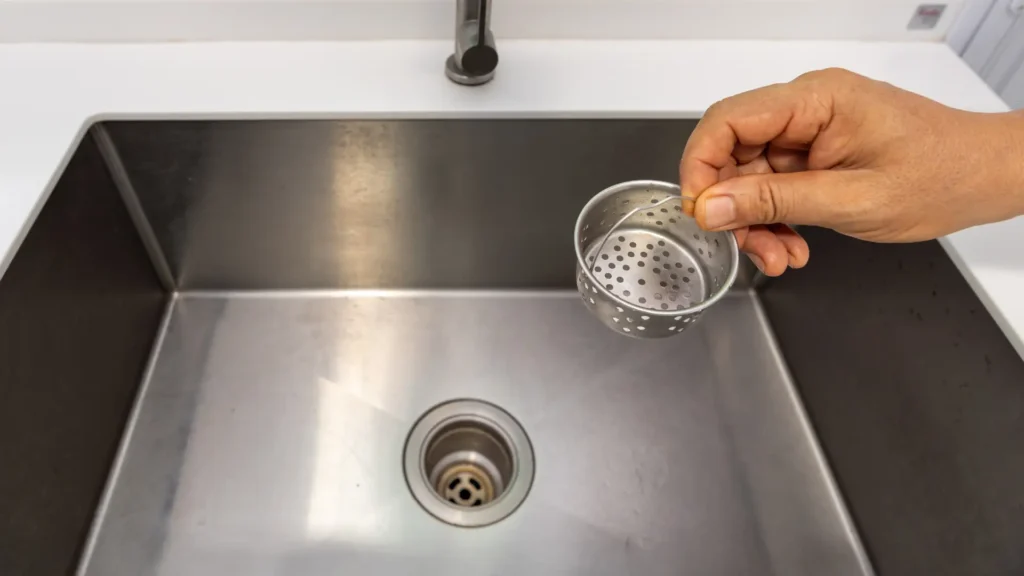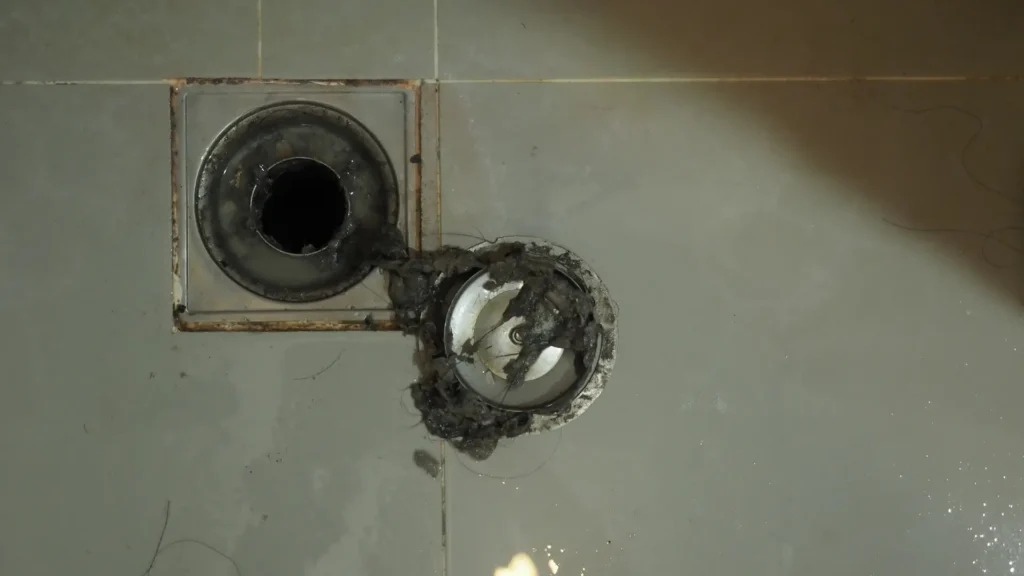
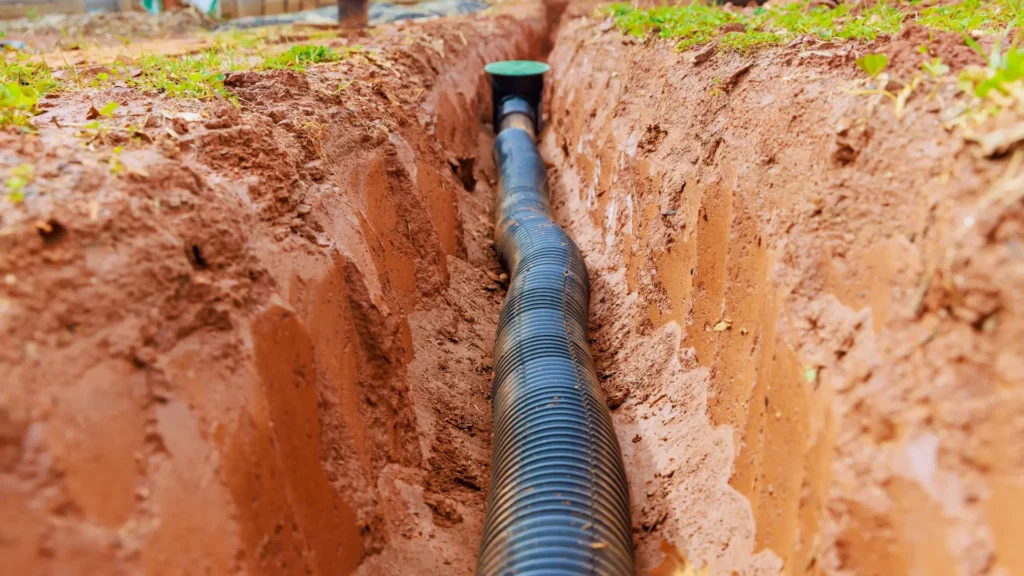
Welcome to a guide that helps you understand drainage costs in Auckland so you know what to expect before you start any work on your property, and gives you a clear picture of how pricing works across common repairs, upgrades, and new installations. You’ll learn what drives the cost up or down, how soil and access affect the job, what signs point to drainage issues, and how a specialist checks your system before giving a quote. You’ll also see what most homeowners deal with across the city, why Auckland’s weather often makes drainage problems worse, and how the right team can save you time and stress by fixing issues early.
Drainage costs in Auckland usually range from minor repairs at the lower end to full system upgrades at higher prices, with the final cost depending on soil type, access, pipe condition, labour time, and the scale of the problem. Homeowners often pay more for deeper trenches, damaged pipes, stormwater issues, or complex layouts, while smaller blockages and inspections sit at the lower end of the price range.
Table of Contents
What You Need To Know About Drainage Costs In Auckland
Drainage work matters for every home in Auckland because the city deals with heavy rain, mixed soil types, and older pipe systems in many suburbs. When the ground becomes saturated or pipes start to fail, water has nowhere to go. This leads to issues that show up around the house and often get worse if ignored.
Why Drainage Matters For Your Home
You want your property protected from water damage. Good drainage keeps moisture away from your foundations and reduces the chance of flooding. It also helps your soil drain at a steady pace so your yard stays usable after rain.
Here are common problems Auckland homeowners face:
- Pooling water around the house
- Slow drains in bathrooms or kitchens
- Damp patches in the yard
- Blocked or collapsed pipes
- Gurgling sounds in the plumbing
- Water backing up during storms
Ask yourself if any of these have shown up on your property. Even small signs can point to a larger problem underground.
What Influences Drainage Costs In Auckland
Drainage costs shift from home to home. A small repair can be quick, while a full replacement takes more time and work. The final price depends on factors you can see and others hidden below the surface.
Here are the main cost drivers:
- Size of the job
- Soil type and how easy it is to dig
- Access for machinery
- Depth of trenches
- Condition of your current pipes
- Labour time
- Council or site requirements
If your home has clay soil or tight access, the work often takes longer. If your pipes are old or damaged, the job may require more materials or deeper digging.
What To Expect As A Homeowner
Every drainage project starts with an inspection. A specialist checks the property, looks at water flow, tests the pipes, and often uses CCTV. This helps you understand what needs fixing and why the cost is set the way it is.
You get a clearer picture when you know:
- The type of issue
- The severity of the damage
- How far the problem spreads
- Whether the fix is small or part of a larger upgrade
A transparent quote helps you plan your budget with fewer surprises.
Drainage problems can catch you off guard, but understanding how the work is priced gives you better control and helps you make smart decisions before small issues turn into expensive repairs.
What Affects Drainage Costs In Auckland
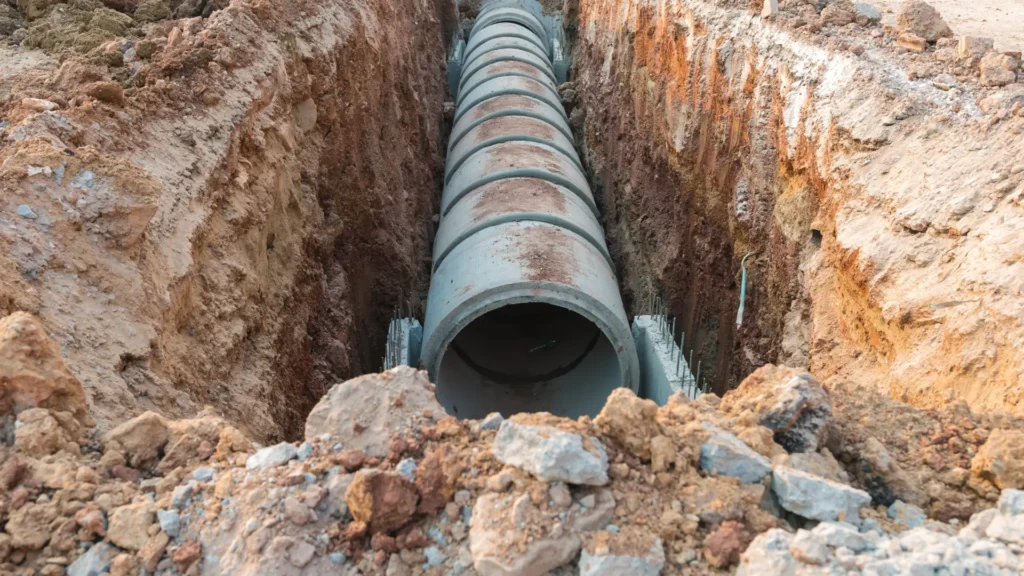
Understanding drainage costs is easier when you break down the main factors that influence the final price. Each home in Auckland sits on different ground conditions, uses different pipe systems, and faces its own set of challenges. When you know what affects the cost, you can plan better and avoid surprises.
Soil Type
Soil plays a big role in drainage pricing. Many Auckland suburbs have clay soil that holds water and slows digging. Sandy areas drain faster but can collapse during excavation. Mixed soil adds extra steps because the crew needs to stabilise the trench before installing new pipes. The harder the soil is to work with, the longer the project takes and the more it usually costs.
Location Of The Property
Your suburb and the layout of your section influence the amount of work needed. Homes on slopes or tight urban lots often require careful digging and extra safety steps. Rural areas sometimes need longer pipe runs or extra pumps. Easy access helps reduce cost, while tricky, narrow, or steep sites take more time and labour.
Depth Of Trenches
Deeper trenches increase the price because they require more digging, more safety precautions, and more time. Older homes often need deeper work to reach pipes that sit below the current ground level. Deeper areas also need stronger backfill materials to keep the system stable, which adds to the final estimate.
Condition Of Current Pipes
If your pipes are cracked, blocked, or full of tree roots, the repair becomes more complex. Damaged pipes often need full replacements rather than small fixes. A drainage crew may also need to run a CCTV camera through the line to see the full problem. The worse the damage, the higher the cost.
Labour Time
Labour is one of the biggest parts of any drainage bill. Simple repairs take less time, while system upgrades often need a full team for several days. Jobs that involve tight spaces, deep digging, or heavy soil conditions push the labour cost higher.
Council Requirements
Some drainage work needs council approval, especially when it connects to stormwater networks or changes the layout of your section. Council rules can add inspection fees or require specific materials. This step keeps everything safe and up to standard, but it does influence the total price.
Equipment Needed
Every job needs a different set of tools. A basic repair may use hand tools and simple machinery, while a full system upgrade might need diggers, pumps, CCTV cameras, pipe cutters, or jetting machines. The more equipment involved, the higher the operational cost.
Something To Think About
- Are you dealing with a small repair or a full system upgrade?
- A short thought like this helps you understand where your own home might sit on the cost scale.
A good next step is to look at your property and note the signs you’ve seen. This makes the quote process easier and gives you a clearer idea of what kind of work may be required.
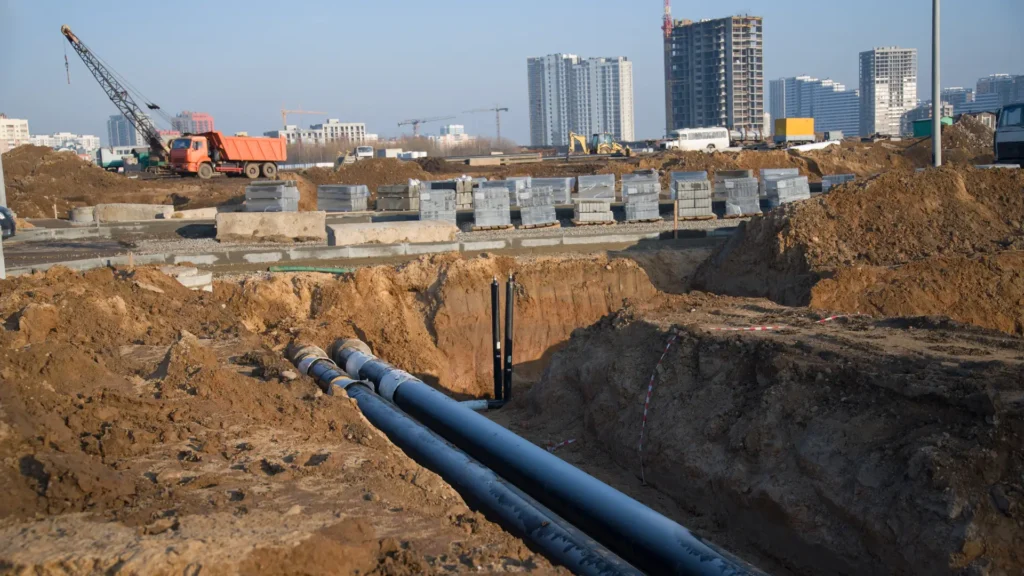
Average Drainage Costs In Auckland
Understanding drainage costs in Auckland helps you plan your budget before any work begins. Prices vary across different services, and the final amount often depends on the depth of the job, the condition of your pipes, and the amount of labour required. Below is a breakdown of the most common drainage services and what homeowners can usually expect to pay.
Basic Drain Repairs
Basic repairs usually cover small cracks, minor leaks, or damaged pipe sections. These jobs often involve digging out a short area, replacing a section of pipe, and testing the system. Costs sit on the lower end when the issue is easy to reach, but the price increases if the pipe is buried deep or sits under concrete.
Full Drain Replacement
A full replacement becomes necessary when pipes collapse, shift, or suffer major damage from soil movement or tree roots. This job requires more labour, larger equipment, and careful planning to avoid damaging nearby utilities. Replacements cost more because they often involve long trenching, new pipe installation, backfilling, and full restoration of the site.
New Drainage Installation
New installations are common for renovations, extensions, or new builds. The cost depends on the size of the system, the number of connection points, and the layout of the property. Installing new drainage often means digging trenches, laying new pipes, integrating stormwater systems, and making sure everything meets council standards.
CCTV Drain Inspections
CCTV inspections are one of the most accurate ways to check the health of your drainage system. A small camera is pushed through the pipes to locate cracks, blockages, root intrusion, or structural problems. This service costs far less than major repairs and helps you avoid unnecessary digging by identifying the exact issue.
Drain Unblocking And Cleaning
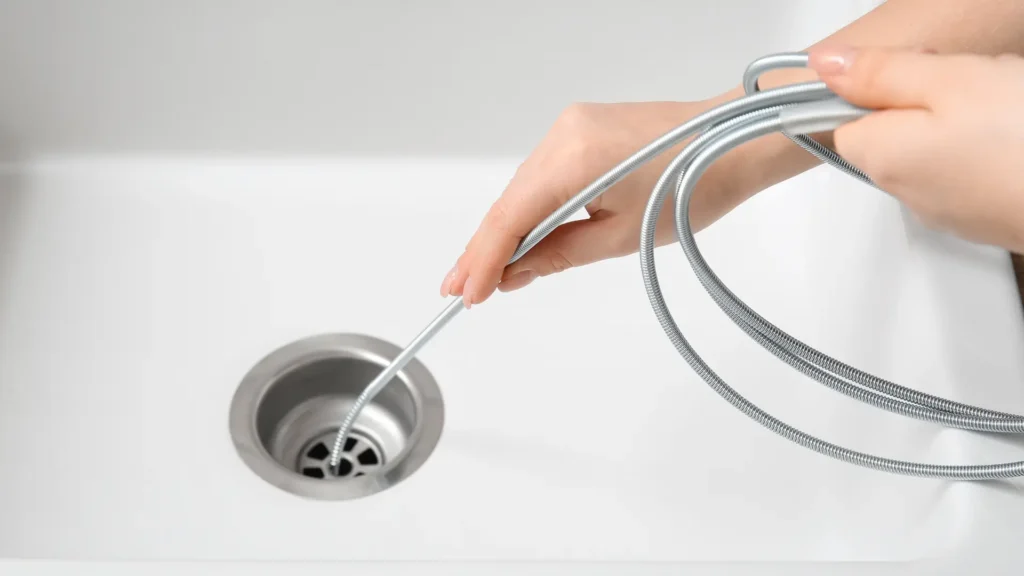
Unblocking and cleaning solve common problems like slow drains, gurgling sounds, or water backing up. Most jobs use high-pressure water jets or mechanical tools to remove debris, grease buildup, or tree roots. Costs stay moderate unless the blockage is deep in the system or linked to structural damage.
Stormwater System Upgrades
Stormwater upgrades help protect your property during heavy rainfall. These jobs may include adding larger pipes, redirecting water, improving surface drainage, or upgrading outdated systems. Prices rise with the scale of the upgrade and the complexity of the property layout.
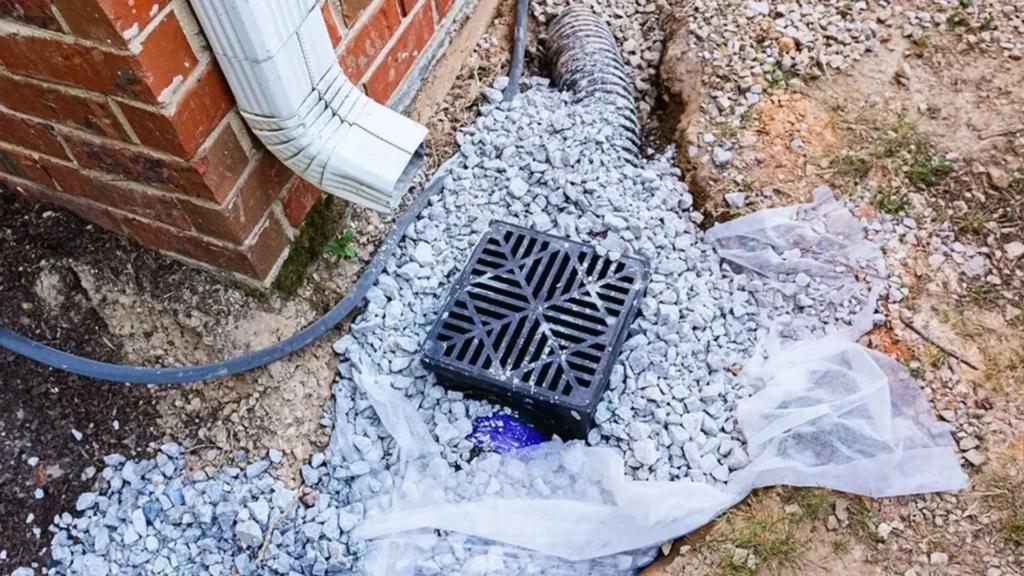
Soak Hole Installation
Soak holes help manage excess stormwater by allowing water to drain naturally into the ground. Installation involves drilling, gravel work, and creating a chamber that handles large water volumes. Costs depend on soil type, depth, and the level of water the property needs to manage.
Why Auckland Drainage Costs Can Be Higher
Prices in Auckland often run higher than other parts of the country because of the city’s clay-heavy soil, steep sections in many suburbs, and dense housing layouts that make access difficult. Labour rates can also be higher, and weather conditions create delays that influence the overall cost of a project.
A clear understanding of these cost ranges makes it easier to plan your next step and choose the right drainage solution for your home.
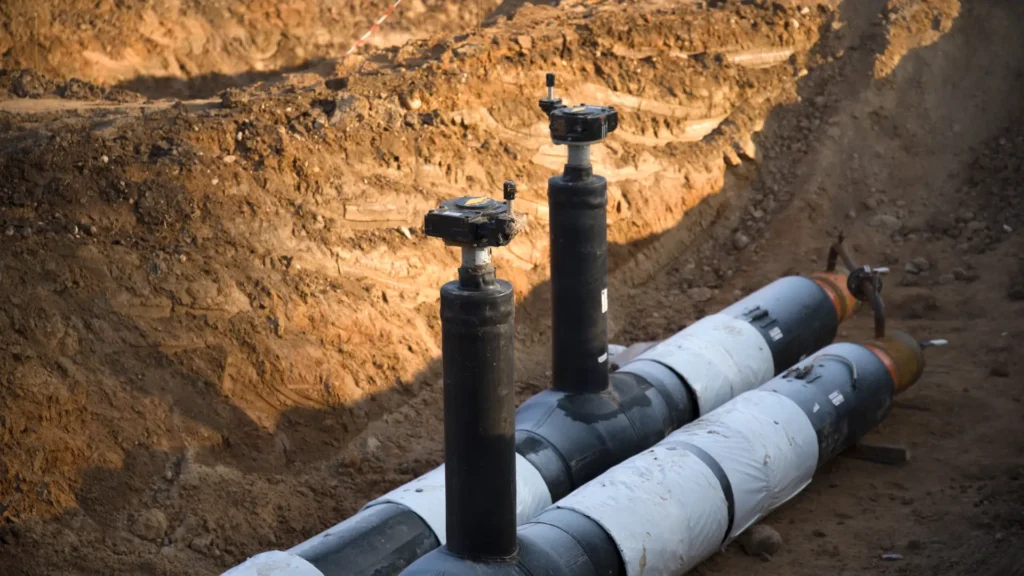
Common Drainage Jobs And What They Include
Every home in Auckland deals with different drainage challenges, and each job comes with its own steps, time frames, and costs. Knowing what these services involve helps you understand why prices vary and what signs to watch for before the problem grows. Here’s a clear breakdown of the most common jobs homeowners request and what usually happens during each one.
Drain Unblocking
Drain unblocking is often the first service people need when water stops flowing. You might notice slow drains, gurgling sounds, or a smell around the sink. A technician uses high-pressure water or mechanical tools to clear the obstruction. Most visits take one to two hours unless the blockage is deep in the line.
CCTV Pipe Inspection
A CCTV pipe inspection gives you a clear view of what is happening inside the pipes without digging. This is usually done when blockages keep returning or when buying a property. A camera is sent through the line to check for cracks, roots, or buildup. The inspection usually takes less than an hour.
Drain Repairs
Drain repairs fix issues such as cracks, collapsed areas, or joints that have shifted. Signs include wet patches in the lawn, repeated flooding, or sudden drops in water pressure. Smaller repairs take a few hours, while deeper or longer sections may require a full day of work.
Stormwater System Upgrades
Stormwater upgrades help homes handle heavy rain. You might see water gathering near the house or overflowing gutters during storms. Upgrades can include larger pipes, extra drains, or rerouting water. Most projects take one to three days based on property size and access.
New House Drainage
New homes need a complete drainage system that connects to the main network. This includes wastewater and stormwater lines. Homeowners may not see issues directly, but delays can impact the building schedule. Installation often takes several days, depending on soil and layout.
Retaining Wall Drainage
Retaining walls require drainage to stop pressure from building behind them. Warning signs include damp soil, stains, or small cracks on the wall. The job involves adding or repairing drainage pipes behind the wall. This usually takes one to two days.
Soak Pit Installation
A soak pit helps control excess stormwater when soil cannot drain fast enough. Homeowners consider this option after noticing constant pooling. The job includes digging a pit, installing stone or concrete rings, and connecting it to stormwater lines. Installation usually takes one to two days.
What Homeowners Usually Notice First
Most people spot early signs such as slow drains, rising water, wet patches outside, or strong smells near the home. These small signals often show up long before the damage becomes serious.
How Long These Jobs Usually Take
Simple work like unblocking or inspections can be completed within a couple of hours. Repairs and installations take longer because of digging, replacing pipes, and testing the system. Larger upgrades may run for several days when access is limited or soil conditions are difficult.
A clear view of how each drainage job works helps you make better decisions and catch issues early before they lead to bigger repairs. Let me know whenever you want to move to the next step.
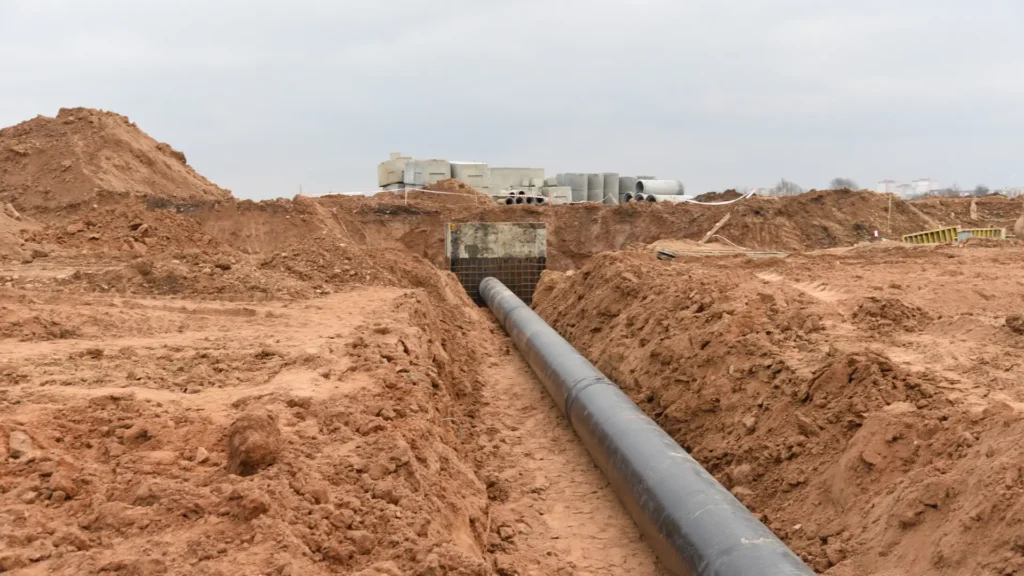
Signs You Might Need Drainage Work
Drainage issues often start small, and many homeowners overlook the early signs until the damage becomes harder and more expensive to fix. Paying attention to the first changes you see around your property helps you act before the problem grows. Here are the signs you should watch for and what they usually mean.
Water Pooling Around The House
Water that lingers around your home after rain is one of the clearest warnings that your drainage system is not moving water away as it should. You may see puddles around the foundation, near paths, or beside garden beds. This often happens when soil becomes compacted or when pipes no longer carry water fast enough. If the water sits for long periods, it can weaken the foundation and lead to mould, dampness, and costly repairs. Ask yourself if those same wet spots keep returning after every downpour.
Wet Patches After Light Rain
Light rain should disappear quickly on a healthy property. When the ground shows wet patches for hours or even days, it usually means the soil is oversaturated or the drainage system is blocked. This problem appears often in clay-heavy areas, which are common in parts of Auckland. Take note of where the wet patches form because the location often points to the source of the issue.
Gurgling Sounds
Strange noises from your drains can signal that water is struggling to move through the pipes. Gurgling often means air is trapped due to a blockage, tree roots, or damaged pipework. Many homeowners ignore these sounds at first, but they rarely go away on their own. They usually grow louder as the blockage becomes more severe. If you hear these noises in more than one drain, the problem may be deeper in the system.
Slow Drains
A sink, shower, or toilet that drains slowly is a common early sign of a blockage. It may start with a slight delay and gradually get worse over time. In some cases, it points to a buildup inside the pipes. In other cases, it signals a more serious issue such as collapsed sections of pipe or tree roots. Testing drains in different parts of the home can help you see if the problem is isolated or affecting the whole system.
Strong Odours Around The Property
Unpleasant smells near drains, gardens, or outdoor areas often indicate that wastewater is not flowing properly. When water sits inside the pipes, bacteria build up and release odours that travel to the surface. These smells should not be ignored because they can be a sign of leaks or broken sections of pipe. If the odour becomes stronger after rain, the drainage system may be overloaded.
Cracks Appearing Near Paths Or Concrete
Cracks near paths, patios, or driveways can suggest that water is moving underneath the surface. As water flows into the wrong areas, it softens the ground and causes concrete to shift. Many homeowners think these cracks are simply due to age, but hidden drainage issues are often the real cause. If the cracks widen over time or appear in several places, professional inspection is needed.
A quick check for these signs can save you time and money. When you notice even one of them, acting early helps protect your home from larger drainage problems.
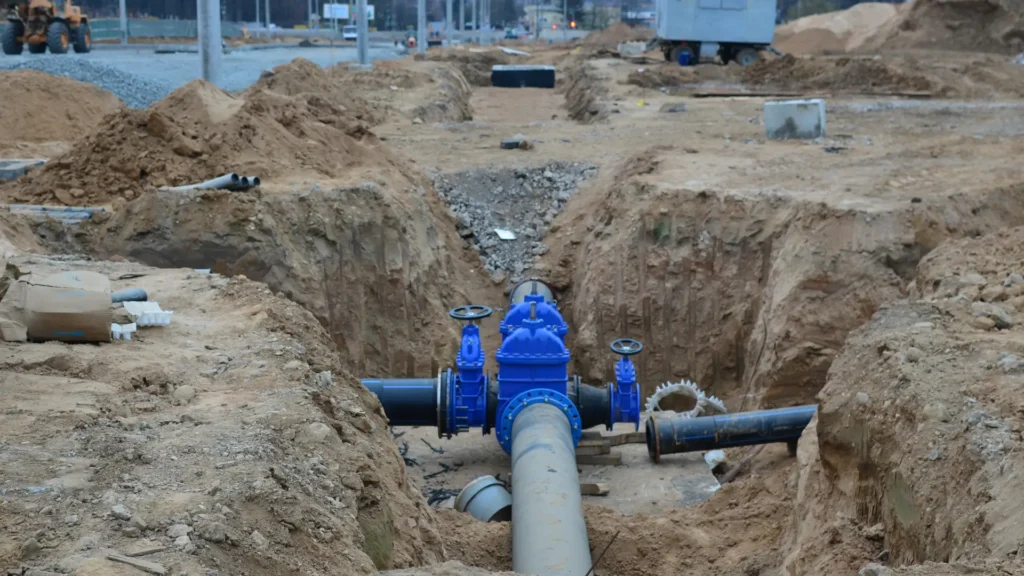
When To Call A Drainage Specialist
You deal with small drainage issues from time to time, but there comes a point when the problem grows beyond what you can handle on your own. Calling a drainage specialist early saves you time, stress, and money because these issues rarely fix themselves. Small signs often point to bigger problems hiding underground, and waiting too long turns a simple repair into a larger project.
Ongoing Blockages
If your drains slow down often or clog again after you clear them, the issue goes deeper than surface debris. Repeated blockages suggest a blockage inside the line, collapsed pipes, or a buildup that needs professional tools. You avoid repeat problems when a specialist checks the full line and finds the real cause.
Repeated Flooding
Water pooling around your home after light or moderate rain is a sign that your drainage system is not moving water the way it should. Once flooding becomes consistent, your soil, foundation, and outdoor areas are at risk. A specialist can assess the layout, soil, and surface levels to design a solution that keeps water away from your property.
Tree Roots
Trees look harmless, but their roots search for moisture and often enter weak points in pipes. If you notice slow drains, odd noises, or backups near areas with large trees, the roots may already be inside the pipeline. Removing them without the right tools can damage the line further, so a professional inspection is the safest option.
Damaged Pipes
Old pipes, shifting ground, and heavy rainfall can break or crack drainage lines. Signs include strange smells, wet patches, sunken soil, or unexplained puddles. You need a specialist to locate the break, check the depth, and repair or replace the damaged section without harming nearby areas.
Stormwater Overflow
Your stormwater system should handle heavy rain, but once it starts overflowing, it signals a blockage or poorly sized components. Overflow puts pressure on your yard, driveway, and retaining walls. A specialist can measure the flow and install the right upgrades so your home stays protected during strong weather.
A reliable drainage specialist steps in when the problem grows beyond simple DIY work. Acting early keeps your home safe and stops a small issue from becoming a costly repair.
How The Drainage Quote Process Works In Auckland
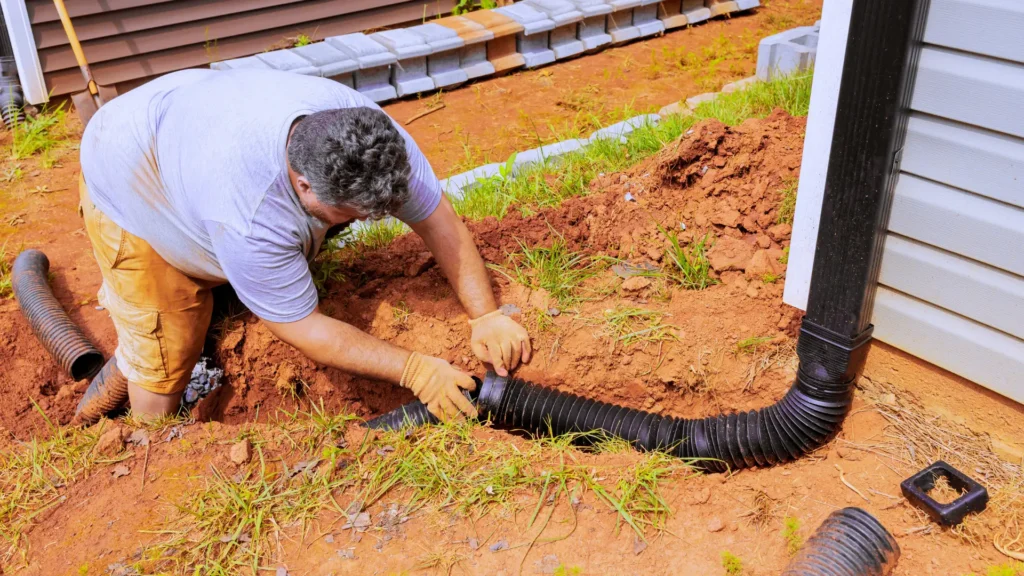
Getting a drainage quote in Auckland follows a clear process that helps you understand what is happening on your property and what the final cost may look like. Each step gives you information you can use to make a confident decision. Here is a simple breakdown of how the process usually works.
Site Visit
A drainage specialist starts with a visit to your property. They look at the area where you noticed the issue and check the surroundings to see if anything else may be connected. They may ask when the problem started, how often it happens, and whether the issue gets worse during bad weather. This short conversation helps them understand the history behind the problem.
Assessment
The next step is a detailed inspection of the drainage system. The specialist checks for visible signs of damage, blocked pipes, pooling water, soft soil, or structural shifts near concrete paths. They look for clues that show whether the issue is localised or part of a wider system failure. This is the stage where they determine if the problem is inside the pipes or caused by surface drainage outside the home.
CCTV Checks
Many drainage companies in Auckland use CCTV cameras to inspect hidden sections of the pipes. The camera sends live footage that shows blockages, cracks, tree roots, collapsed pipes, and any other damage that is not visible from the surface. This step gives homeowners clear evidence of what is going wrong and helps the specialist recommend the right repair or replacement.
Cost Estimate
Once the inspection is complete, the specialist prepares a cost estimate. This includes the price of materials, labour, equipment, and any extra work required such as digging or replacing old pipes. For simple repairs, the cost is straightforward. For bigger projects, you may receive a breakdown that shows each part of the job so you know exactly what you are paying for.
Project Timeline
A clear timeline helps you understand how long the job will take and whether any part of your home or section will be affected during the work. Most drainage jobs can be finished within hours or days, while larger replacements may take longer. Weather is a major factor in Auckland, so the specialist often gives a time range rather than a fixed date.
Questions To Ask Before Approving The Job
Before saying yes to any drainage work, ask a few questions so you feel comfortable with the plan.
- What is the exact problem and how urgent is it
- Are there any alternatives to the recommended solution
- What is included in the quote
- Will the work affect access to the property
- Does the work come with a warranty
- How will unexpected issues be handled if they appear during the job
A well explained quote process gives you confidence that the job is planned properly and priced fairly. Taking a moment to ask the right questions helps you choose a drainage solution that protects your home and fits your budget.
Ways To Reduce Drainage Costs
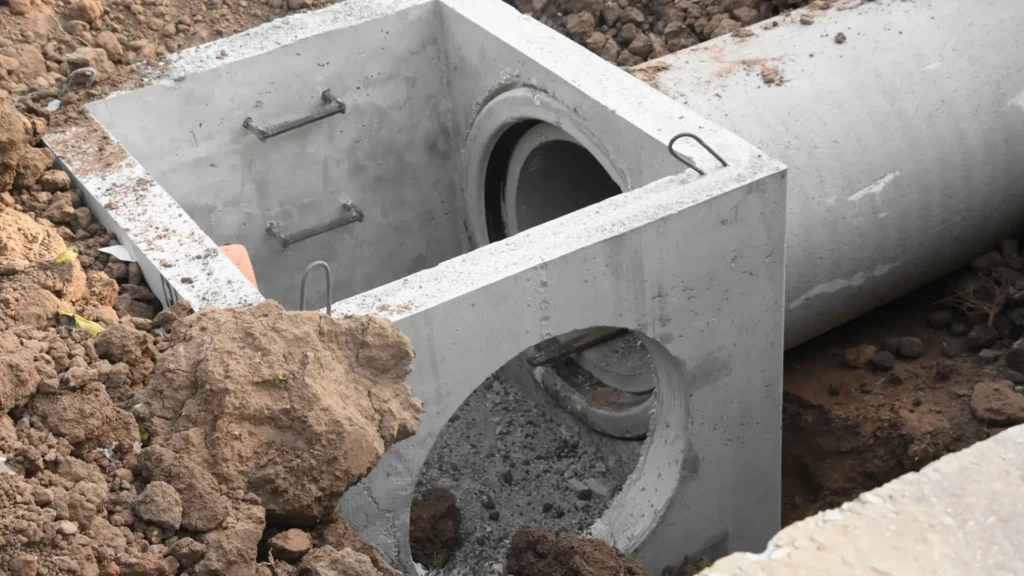
Keeping your drainage system in good shape saves you money and prevents small issues from turning into large repairs. Many Auckland homes face repeated drainage problems because basic maintenance gets overlooked. With a few simple habits, you can lower the chance of blockages, flooding, or pipe damage and avoid paying for major work later.
Keep Gutters Clear
Clogged gutters create overflow during rain, and that extra water often ends up pooling around your home. When water sits close to the foundation, it puts pressure on the drainage system and sends more debris into the pipes. Clearing gutters every few months helps water move freely and stops unnecessary strain on your drains.
Trim Trees Near Pipes
Tree roots often grow toward moisture, which means they can push into cracked or weak pipes. Once roots enter the system, they cause blockages that get worse with time. Trimming or managing trees near underground lines reduces this risk. It also keeps roots from spreading into older clay pipes that many Auckland properties still use.
Schedule Regular Inspections
Routine inspections help you spot early signs of damage before they become costly. A drainage specialist can check the system, run a CCTV camera through the pipes, and show you what needs attention. This simple step often prevents large repairs because problems are caught before they spread.
Fix Minor Issues Before They Grow
Small leaks, slow drains, or mild odours rarely stay small for long. Fixing minor problems early keeps your drainage system working smoothly and protects you from bigger bills later. Many homeowners ignore the first signs and only act when flooding or blockages become regular. Acting early gives you more control over costs.
Improve Surface Drainage
Poor surface drainage pushes water toward your home rather than away from it. You can prevent this by improving soil grading, clearing pathways for rainwater, or adding small channels that move water off the property. Good surface drainage lowers pressure on underground systems and reduces the chance of water damage during heavy Auckland rainfall.
When was the last time you checked your drains? Paying attention to these simple tasks makes a real difference. Small actions now help you avoid costly drainage work later and keep your home protected through Auckland’s changing weather.
How Auckland Weather Impacts Drainage Work
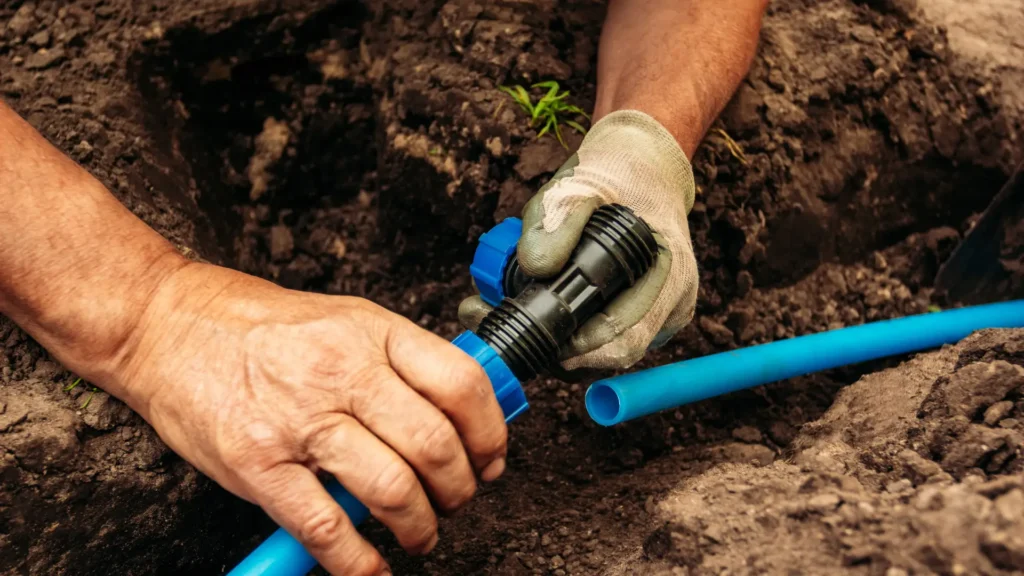
Auckland’s weather shapes how drainage problems appear, how fast they spread, and how much the work costs. The mix of rain, soil conditions, and seasonal patterns often decides when a job can start and how long it takes to finish. Homeowners across the city see the effects most clearly during long periods of rain or after sudden downpours that overwhelm older systems.
Heavy Rain Patterns In Auckland
Auckland gets frequent and unpredictable rain, which puts constant pressure on stormwater and wastewater systems. When rain arrives quickly, water builds up faster than the ground can absorb it. This exposes weak points that were not noticeable during dry months. You might see pooling water, slow drains, or overflow around gutters and downpipes.
For drainage teams, this means working in tougher conditions and dealing with waterlogged soil. Jobs take longer because the crew has to wait for safe digging conditions or pump out areas before starting repairs. These delays can raise labour time, which affects the final cost.
Clay Soil Across Many Suburbs
Large parts of Auckland sit on heavy clay soil. Clay holds water longer than other soil types, which makes drainage failures more likely. When the soil becomes saturated, it expands. Once it dries, it shrinks and can cause movement around pipes.
This movement leads to cracks, sagging, or misaligned pipes that restrict water flow. Repairing or replacing pipes in clay soil often requires deeper digging and stronger support materials. These extra steps add to the total cost and extend the job timeline.
Risks During Storm Season
Auckland’s storm season brings sharp spikes of rainfall that overload drains and cause sudden blockages. Tree roots also become more active during wet months, searching for moisture and entering weak points in the pipework.
Storm conditions can stop work altogether. Teams cannot dig in unsafe ground or continue when soil becomes unstable. This pushes projects back and increases expenses related to equipment hire or return visits. Homeowners often face longer waiting times because drainage companies receive more calls during peak rainfall.
How Weather Influences Cost And Timing
Weather sets the pace for most drainage jobs in Auckland. Wet soil slows digging, increases labour time, and creates safety concerns. Some repairs may require extra materials to reinforce trenches or stabilise the area. Storm season also brings higher demand, which can raise prices and extend scheduling times.
Dry periods are usually the most cost-effective time to start drainage work because crews can dig faster and complete the job without interruptions. Planning ahead helps avoid delays, rushed decisions, and the higher costs that come from weather-related setbacks.
Auckland’s climate plays a major role in how drainage work is carried out, so understanding these patterns gives you a clearer idea of what to expect when budgeting or scheduling repairs.
You can get a clearer idea of your own drainage costs by reaching out now. Tell us what’s happening on your property and we’ll guide you with honest advice, clear pricing, and fast support so you can fix the problem before it becomes bigger and more expensive.
References
- Drainage Costs NZ: Full Breakdown For Homeowners
https://drainagewhangarei.co.nz/drainage-costs-nz/ drainagewhangarei.co.nz - Ultimate Guide To Cost Of Drainage NZ
https://builderconnect.co.nz/blog/cost-of-drainage-nz/ Builder Connect NZ - Drain Repair Cost Auckland: What You Should Know
https://taylorplumbingauckland.co.nz/drain-repair-cost-auckland/ taylorplumbingauckland.co.nz - How Much Does Drain Repair or Replacement Cost in 2025?
https://modernize.com/plumbing/systems/drainage/drain-repair-replace-cost modernize.com
FAQs: About Drainage Costs In Auckland
What are the average drainage costs in Auckland?
Drainage costs vary based on the job size, access, soil type, and pipe condition. Simple work stays on the lower end, while upgrades and deep trenches sit higher.
What affects the price of drainage work?
Soil type, property layout, depth of trenches, damage level, labour time, and council rules all influence the final cost.
How do I know if I need drainage work?
Look for pooling water, slow drains, gurgling sounds, damp spots, strong smells, or cracks near paths and concrete.
When should I call a drainage specialist?
Call a specialist when you see repeated blockages, flooding, damaged pipes, stormwater overflow, or tree root activity.
Why do drainage costs in Auckland seem high?
Prices reflect local soil, dense housing, weather patterns, and the equipment needed to work in tight spaces.
What is included in a drainage quote?
A quote often covers the site check, CCTV inspection, labour, materials, equipment, and the expected timeline for the job.
Can I lower my drainage costs?
You can lower costs by keeping gutters clear, checking for early signs of damage, trimming tree roots, and booking regular inspections.
How long does drainage work usually take?
Basic repairs can take a few hours, while full replacements or new systems may take several days based on access and depth.
Do weather conditions affect drainage jobs in Auckland?
Heavy rain and clay soil slow down work and sometimes pause digging, which can affect project timing.
How do I choose a drainage company in Auckland?
Look for clear pricing, strong reviews, local experience, and a team that explains the work in simple, direct terms.
Conclusion
Good drainage work gives you peace of mind, protects your property from long term damage, and helps you plan your budget with confidence, especially when you understand the factors that shape the final cost of repairs or upgrades across Auckland. When you know what signs to look for, how quotes are prepared, and what affects pricing in different suburbs, it becomes easier to make decisions without guesswork or pressure. If you have noticed slow drains, pooling water, or damp areas around your home, taking the next step by getting a clear quote can save you from more expensive problems later. Your home relies on a reliable drainage system to stay dry and stable, so now is the time to ask yourself a simple question: what drainage issue are you dealing with right now?