Welcome to this guide on gully traps in NZ, giving you a clear look at what they are, how they work, and why every homeowner should understand them. You’ll see how these outdoor drains keep sewer smells out of your home, protect your wastewater system, and help prevent flooding during heavy rain. Many New Zealand properties rely on them every day, yet most people don’t know where theirs is or how to spot early signs of trouble. This guide walks you through rules, common issues, simple checks, and steps you can take to avoid costly repairs while keeping your home safe.
Gully traps in NZ are outdoor plumbing drains designed to stop sewer smells from entering your home and manage wastewater safely. They hold a small amount of water that creates a seal, helping protect your property from odours, overflow issues, and unwanted blockages.
Table of Contents
What Are Gully Traps?
Gully traps are outdoor drains that act as a protective barrier between your home and the main sewer line. They hold a small amount of water that forms a seal, stopping sewer gases from moving back up the pipe and entering your living space. This simple function protects your indoor air quality and keeps unpleasant smells outside where they belong.
Why Gully Traps Matter In New Zealand Homes
Many New Zealand properties rely on gully traps to manage wastewater safely. They handle water from kitchens, bathrooms, and laundries before it flows into the main sewer system. When a gully trap works as it should, it prevents flooding during heavy rain, reduces the risk of contamination, and supports the overall drainage design found in most local homes. A well-functioning trap becomes even more important in older properties, where plumbing systems may be more susceptible to blockages.
Where You Usually Find Gully Traps On A Property
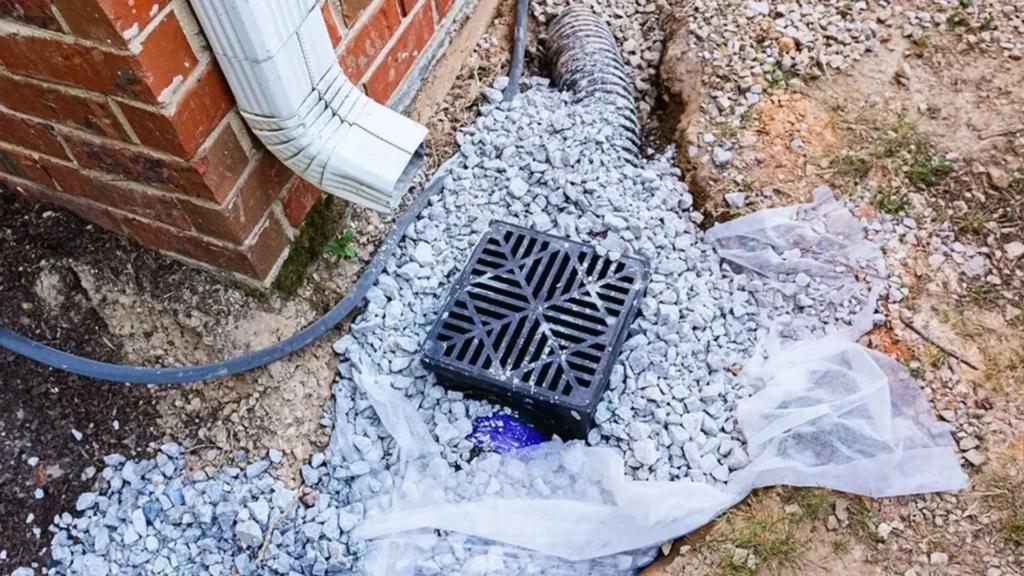
You’ll often see a gully trap outside near the kitchen or laundry area. Builders place them close to areas that produce regular wastewater, allowing quick drainage and reducing pressure on indoor pipes. Many are set into the ground with a grate on top, making them easy to spot if you take a moment to look around your home. Some homeowners pass by them daily without realising their role in keeping the property safe and clean.
Example Of A Typical Gully Trap Setup
Picture a small outdoor drain next to your kitchen wall with a round or square grate on top. Beneath that grate is a water-filled bend in the pipe. When you use your sink, washing machine, or shower, water flows through indoor pipes, reaches the gully trap, and then moves on to the main sewer. The water seal inside the trap stays in place and blocks sewer gases from travelling back toward the house. This simple setup runs quietly in the background, yet it handles a significant amount of wastewater every day.
A Quick Question For You
Do you know where your own gully trap is located? Taking a moment to find it now can help you stay ahead of problems and understand how your home handles wastewater.
A clear understanding of what gully traps do gives you a stronger sense of control over your home’s drainage system and prepares you for the next steps in keeping it healthy.
How Gully Traps Work
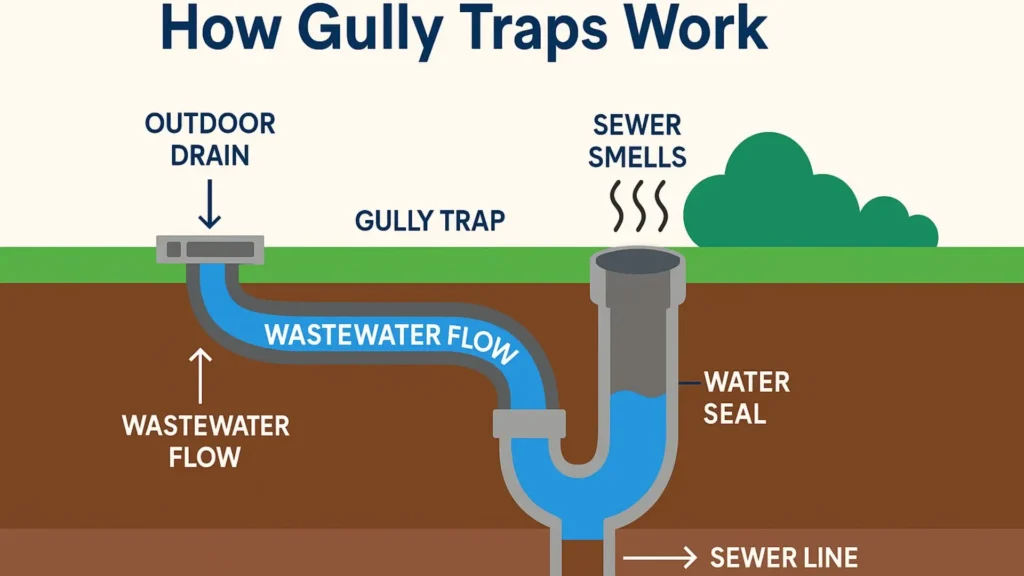
Understanding how gully traps work helps you keep your home protected from smells, blockages, and unexpected flooding. These outdoor drains look simple, but each part plays an important role in keeping your wastewater system safe and running smoothly.
How Gully Traps Stop Sewer Smells Entering A Home
A gully trap prevents unwanted smells from moving back through the pipework and entering your home. When your sink, shower, or laundry discharges water, it flows out into the gully before reaching the main sewer line. This setup creates a barrier between your indoor plumbing and the sewer system.
The key benefit here is that smells stay outside. The design stops gases from drifting back into kitchens, bathrooms, and laundry rooms. If you have ever walked past a gully on a warm day and noticed no strong smell, that usually means the trap is working as it should.
The Role Of Water Seals
A water seal is what keeps the whole system safe. Inside the gully trap, a small pool of water sits at the bottom. This water forms a tight seal between your home and the sewer line.
As long as this seal remains intact, sewer gases cannot pass through. If the water level drops too low, the seal breaks and smells can escape. This often happens when a gully goes unused or dries out during long periods without rain. A quick check and a small top-up usually restore the seal and stop any odour issues.
How Gully Traps Handle Wastewater Flow
Every time you run water indoors, the wastewater flows through the pipes and into the gully. From there, it continues into the main sewer system. The gully acts as a catch point that prevents solids, debris, or grease from going too far into the sewer line.
This extra step helps reduce the risk of blockages inside your indoor plumbing. If something clogs the gully, it is easier and cheaper to fix than a blockage deeper in the system. The design also gives you an early warning if water begins to back up.
Why Design Matters In Wet Weather
New Zealand homes often deal with heavy rain, and a well-designed gully trap stops stormwater from overwhelming your wastewater system. The height, shape, and overflow level all play a part.
If the surrounding ground floods, a compliant gully prevents dirty water from flowing back into your home. When everything is set to the correct height, excess water can escape safely without forcing sewer water upward through household drains.
Homes with older or non-compliant gullies face a higher risk of wastewater rising during storms, which can lead to serious health hazards and property damage.
Real-Life Scenario: A Blocked Gully Causing Backyard Pooling
Picture a homeowner noticing water pooling near the back of the house after a normal load of laundry. Instead of draining away, the water spills over the gully and saturates the lawn.
A quick inspection shows leaves and food scraps sitting on top of the trap. These small items created a blockage that slowed the flow, causing the overflow. Left unattended, the water could have backed up into the home or pushed foul smells toward the laundry area.
A simple clean-out fixed the issue, showing how small blockages can lead to bigger problems if ignored.
Knowing how gully traps work helps you spot early signs of trouble and keep your drainage system healthy. Simple checks and basic awareness go a long way toward protecting your home from avoidable issues.
Gully Traps NZ Regulations And Standards
Gully traps in New Zealand follow clear plumbing rules designed to protect homes from drainage issues, sewer smells, and stormwater contamination. These rules help ensure that every property manages wastewater safely. When you understand the standards, you can make better decisions about repairs, upgrades, and long-term maintenance for your home.
Overview Of NZ Plumbing Rules
NZ plumbing rules outline where a gully trap should sit, how high it must be, and what type of materials are allowed. These rules anchor the wastewater system so it stays reliable during daily use and heavy rain. Local councils and licensed plumbers follow the same set of guidelines, which keeps drainage systems consistent from one home to the next. If your setup doesn’t follow these rules, you may face safety risks and extra costs later.
Height And Overflow Requirements
Height plays a big role in how a gully trap works. The top of the gully must sit lower than the lowest fixture inside your home. This reduces the chance of wastewater backing up indoors when drains are under pressure. Your trap also needs enough room for safe overflow so that water exits outside instead of entering the home. When the height or overflow level is wrong, you’ll often notice water spilling during storms or heavy household use. These signs mean your gully may not meet NZ standards.
Approved Materials In NZ
New Zealand accepts specific materials for gully traps to ensure durability and long-term performance. PVC and concrete are the most common because they resist corrosion, stand up well to weather changes, and hold their shape over time. Cheaper or outdated materials are often more fragile and more likely to crack, which can send wastewater into the surrounding soil. If your home is older, your trap may have been made before modern rules were in place, so replacement may be necessary.
Why Homeowners Should Care About Compliance
When your gully trap follows NZ rules, it reduces the risk of blockages, flooding, or sewer smells. It also protects your family and your property from preventable drainage problems. A compliant gully makes it easier for plumbers to diagnose issues and keep repairs straightforward. If your trap isn’t compliant, you might face unexpected repair bills or council-related issues during renovations or property sales.
Safety And Insurance Considerations
A gully trap that meets current standards adds a layer of protection for your home. If a drainage failure causes damage, insurers may ask whether your system was compliant. If it wasn’t, they may limit what they cover. Homes with outdated or incorrectly installed traps face higher risks during storms, which can worsen overflow or flooding. Keeping your system up to standard supports both safety and financial protection.
This section gives you a solid foundation for understanding how NZ standards affect your home. The next part of the guide will take you deeper into how different gully trap types function so you know what to look for when maintaining or upgrading your system.
Types Of Gully Traps Used In NZ
New Zealand homes rely on several types of gully traps, each offering different benefits depending on the property, age of the plumbing system, and local conditions. Understanding how each option works helps you choose a setup that protects your home from smells, blockages, and flooding while keeping maintenance simple and affordable.
Traditional Concrete Traps
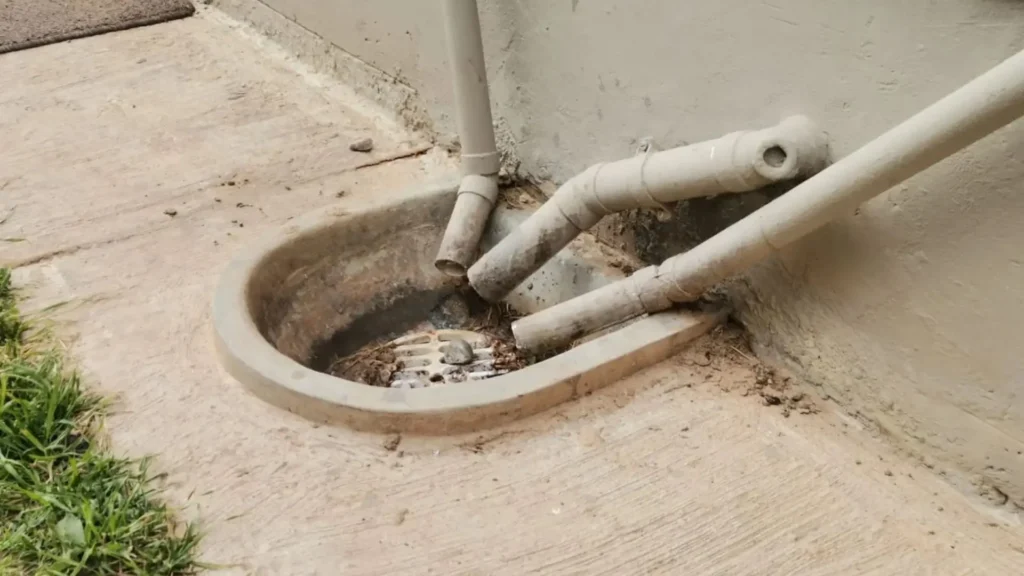
Traditional concrete traps have been part of New Zealand homes for many years. They are built from solid concrete and usually found in older properties. Many homeowners still rely on them because they were the standard option before PVC became popular. Concrete traps are known for their weight and stability, which helps them stay firmly in place during heavy rain or ground movement. The downside is that they can wear down over time. Small cracks can form, which may affect water flow or allow roots to enter the line. Concrete traps can also be harder to access when repairs are needed.
PVC Traps And Why They Are Common
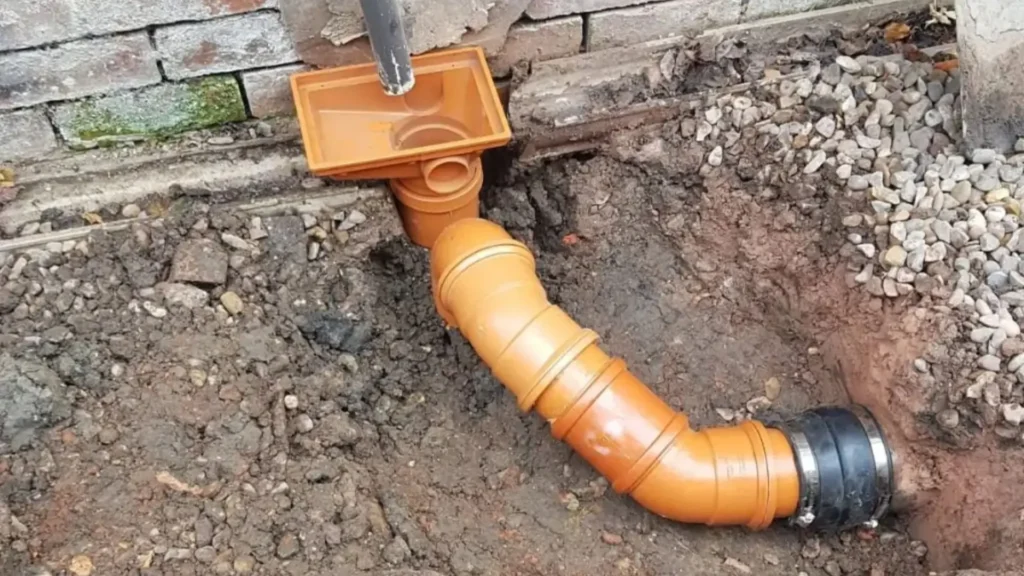
PVC traps are the most common choice in modern NZ homes. They are lightweight, easier to install, and simple to maintain. The smooth interior surface helps reduce build-up, making them less likely to clog. PVC also handles New Zealand’s wet weather well because it resists rust, corrosion, and cracking. These traps offer flexibility in design, so plumbers can fit them into different property layouts without difficulty. Their reasonable price and long lifespan make them a preferred option for homeowners looking for reliable performance without high maintenance demands.
Backflow-Prevention Versions
Backflow-prevention gully traps are designed to stop wastewater from flowing back into your home during storms or sudden surges in the main sewer line. These versions have special mechanisms that close when water pressure rises from the wrong direction. This added protection can reduce the risk of flooding around your property and prevent contaminated water from entering indoor drains. They are especially useful in areas prone to heavy rain or older neighbourhoods where the sewer system can be overloaded. While they cost more than standard traps, the protection they offer makes them a smart choice for many NZ properties.
Pros And Cons Of Each Option
Concrete traps offer stability and long-term durability, but they can crack over time and often require more effort to repair. PVC traps deliver easy installation, simple maintenance, and lower risk of internal build-up, but they may not hold up as well in situations with extreme ground pressure. Backflow-prevention traps provide the strongest protection during storm events, yet they come at a higher cost and require regular checks to ensure the mechanism continues to work correctly.
Short Guidance On Picking The Right Type
Choosing the right gully trap depends on your home, location, and future maintenance goals. Older properties with existing concrete traps may benefit from an upgrade to PVC for better performance and easier upkeep. Homes in flood-prone or high-rainfall areas are often safer with backflow-prevention traps. PVC suits most modern homes because it balances cost, durability, and ease of care. If you are unsure, a quick inspection from a licensed NZ plumber can help you match the trap style to your property’s needs.
This overview gives you a clearer picture of the options available so you can make a confident choice when upgrading or maintaining your gully trap.
Signs Your Gully Trap Has A Problem
Your gully trap gives you clear warnings when something is not right, and catching these signs early can save you from messy drainage issues and unnecessary repair costs. Many homeowners overlook small changes around their outdoor drains, but these small changes often point to blockages, damaged parts, or a failing water seal. When you know what to look for, it becomes easier to spot trouble before it affects your home.
Slow Draining Water
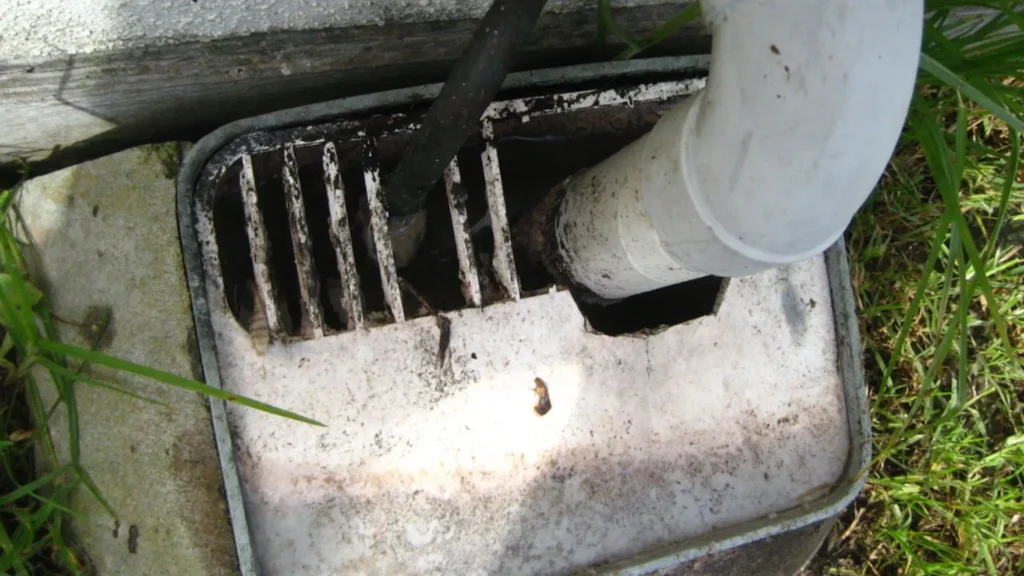
Slow draining water is one of the earliest signals of a developing blockage. When debris builds up inside the trap, water struggles to move through the system. If sinks, showers, or outdoor drains start clearing slower than usual, check the gully for leaves, dirt, or food waste that may be restricting flow.
Bad Smells Near Outdoor Drains
Noticeable smells around outdoor drains suggest the water seal inside the trap is not holding as it should. When the seal drops or becomes contaminated, odours from the sewer line find their way back up. This can happen after blockages, heavy rain, or long periods with little water passing through.
Water Spilling Over The Sides
Overflowing water is a sign that should never be ignored. When water spills over the edges, it usually means the outlet pipe is blocked or the trap is taking in more water than it can handle. Overflow can cause pooling around your home and lead to more serious drainage problems if left unchecked.
Unusual Gurgling Sounds
Gurgling noises coming from sinks, showers, or the outdoor gully usually indicate trapped air inside the drainage line. Air gets stuck when debris blocks the normal flow of water, forcing the system to push through restricted space. These sounds often appear before visible symptoms.
What A Plumber Would Check First
A plumber will start by checking the water level in the trap to confirm the seal is intact. They may lift the grate, look for surface debris, and inspect the outlet pipe for signs of blockage. Running water through the system helps them see how well the trap drains and whether any overflow occurs. These steps help identify the root cause before more advanced checks are needed.
Observe Your Drain This Week
Spend a moment this week checking your gully trap for changes in smell, sound, and water movement. A quick look now can prevent costly problems later on.
If you want to learn simple ways to keep your drainage system in good shape, continue to the next section for practical steps you can use right away.
Common Causes Of Gully Trap Blockages
Gully traps handle wastewater from areas like kitchens, bathrooms, and laundries, so they deal with a mix of materials every day. When anything disrupts the normal flow of water, blockages start to form. Understanding the most common causes helps you spot problems early and keep your system working well.
Leaves And Garden Debris
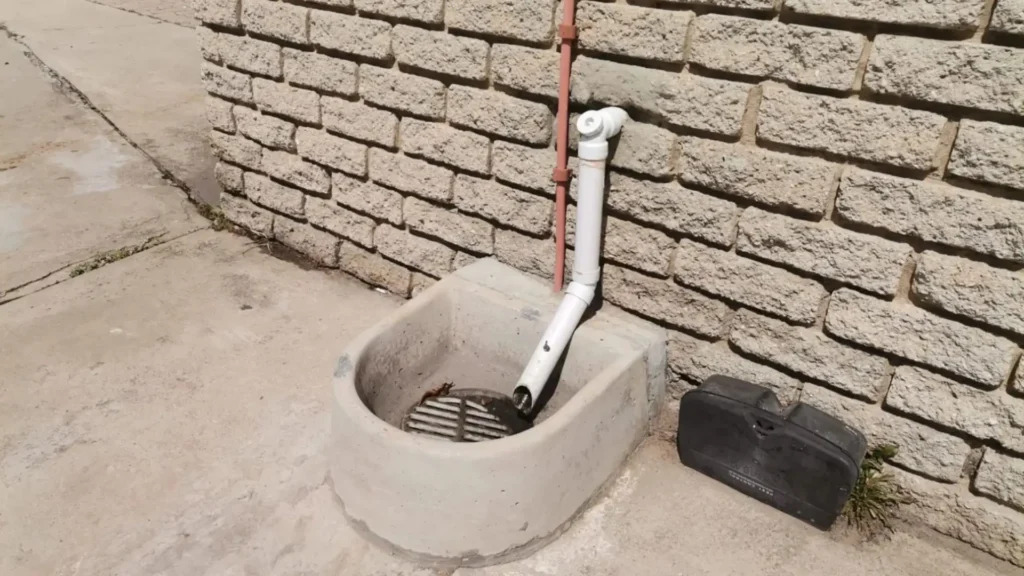
Leaves, grass, and dirt often collect around outdoor drains, especially during windy or rainy seasons. When this material builds up, it restricts the flow of water entering the gully trap. As the debris settles, it forms a layer that slows drainage and eventually causes water to pool or overflow. This issue tends to grow slowly, which is why many homeowners only notice it once the drain is already struggling.
Fat, Food Scraps, Or Grease
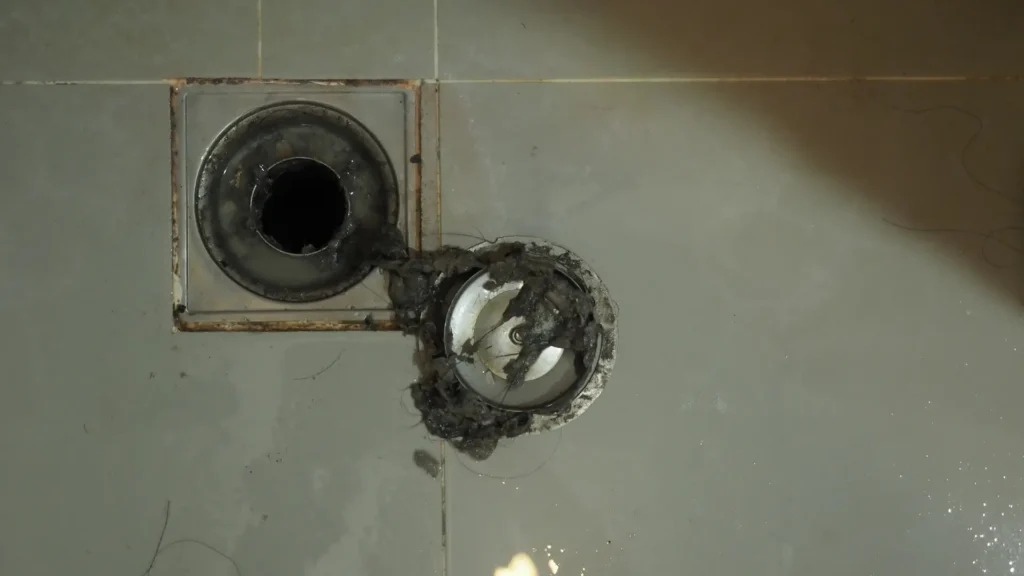
Kitchen wastewater carries oils and food particles that solidify inside the trap once they cool. Grease clings to the walls of the drain, and over time, it attracts bits of food or soap scum. This creates a thick coating that narrows the pipe and reduces water flow. Even small amounts poured down the sink regularly can create a stubborn blockage in a short period.
Tree Roots Affecting The Line
Roots naturally seek moisture, so they often move toward underground pipes. Small cracks or loose joints give roots the chance to enter the wastewater line. Once inside, they grow and spread, catching debris and blocking the path of water. This type of problem usually appears in older homes with ageing pipes or in properties with large trees close to the drainage system.
Misaligned Pipes Or Old Builds
Older homes sometimes have pipes that have shifted due to soil movement or general wear over the years. Even a small misalignment creates a lip or gap inside the pipe where waste can catch and accumulate. Over time, this leads to slow draining or frequent clogs. In some cases, outdated materials simply can’t keep up with current household demands.
Simple Breakdown Of How These Issues Start
Blockages usually begin when debris, grease, or roots create a narrow point in the drainage line. Water slows down, waste settles, and the trap loses its ability to flush wastewater away smoothly. Once this cycle begins, it grows quickly unless you catch it early through regular checks.
A little awareness goes a long way, and spotting these causes early helps you maintain a safer and more reliable drainage system.
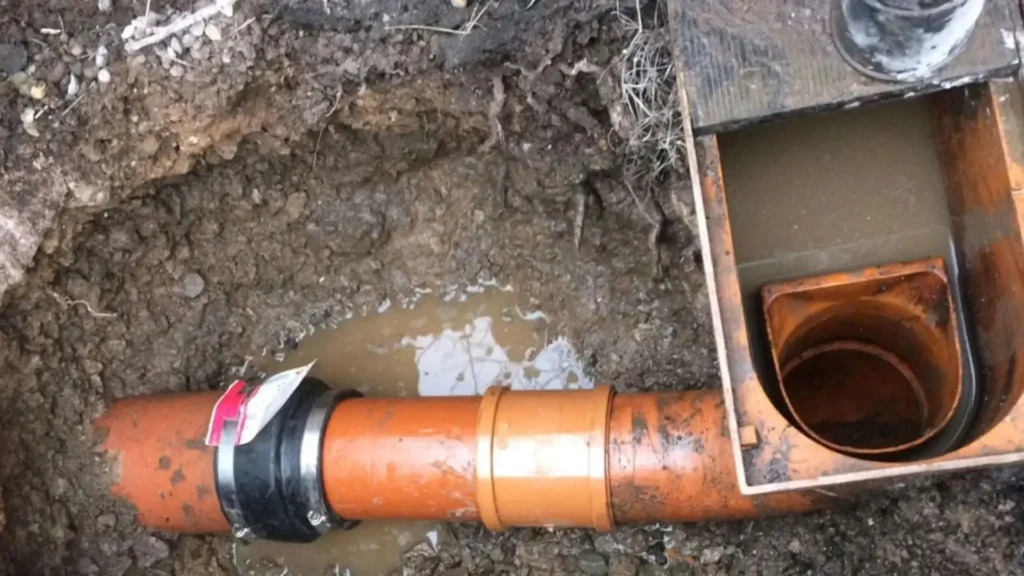
How To Fix Minor Gully Trap Issues
You can sort out small gully trap problems at home if you follow a simple process and use basic tools. Most minor issues come from surface debris, light buildup, or a shallow blockage that hasn’t reached the main sewer line. Before you start, look at the drain, check how severe the overflow is, and make sure the area is safe to work in.
Steps For Clearing Small Blockages
Start by removing any visible debris sitting around the top of the gully. Leaves, dirt, and small objects often stop water from flowing freely. Scoop them out gently and check if the water level drops. If the blockage sits deeper, pour warm water down the drain to shift soft buildup. Give it a few minutes and see if the flow improves. A second flush of warm water can help loosen leftover material.
Safe Cleaning Methods
Clean the area with steady and controlled movements. Avoid using harsh chemicals because they can damage pipes and create risks if mixed with other products. Warm water, mild detergent, or a simple hose flush works well for most minor problems. If the trap is partially clogged with grease, a mixture of warm water and dish soap can help break it down without harming your plumbing.
Tools You Can Use At Home
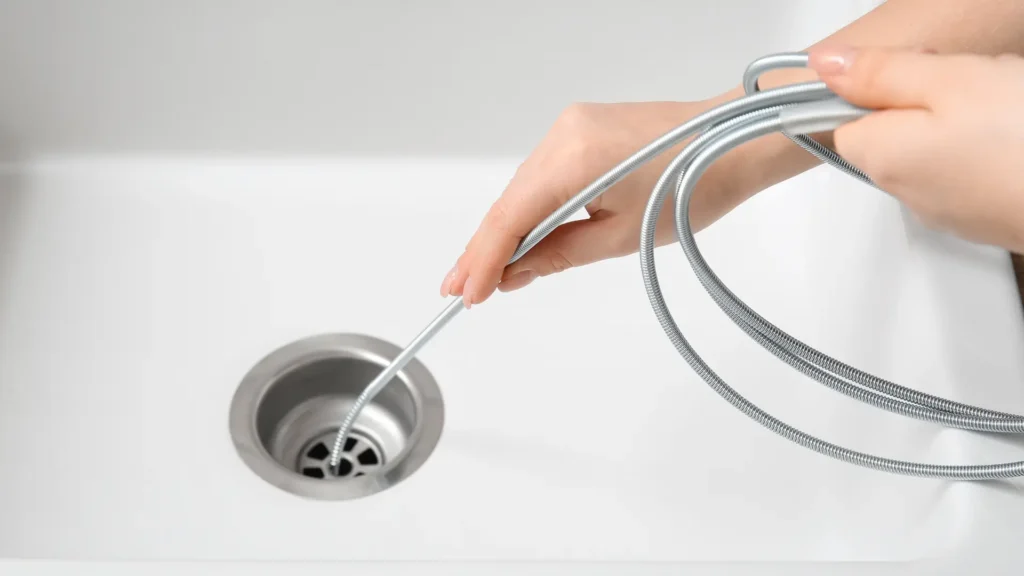
Most homeowners already have the tools needed for basic gully trap care. A small bucket, garden gloves, a hose, and a drain scoop can handle surface issues. A basic plunger can help push out light blockages sitting near the top of the pipe. If you need something longer, a simple drain rod or a flexible cleaning cable can reach deeper sections without damaging the trap.
When DIY Is Okay And When It’s Not
DIY is fine when you can see the cause of the problem and the trap still handles water without major overflow. If smells become stronger, the blockage keeps coming back, or water rises too quickly, the issue might sit deeper in the sewer line. Any sign of structural damage, broken pipe sections, or sewage backing up into the trap means you should call a plumber. These problems require proper tools and experience to avoid bigger repairs later.
Protect Your Hands And Eyes
Always wear gloves and eye protection before touching anything around the drain. Wastewater carries bacteria, and debris can splash when you flush or scoop the trap. Keeping yourself protected helps you work safely and reduces the chance of irritation or infection.
A few simple checks and careful cleaning steps can keep your gully trap working well and prevent future issues. Regular attention goes a long way toward avoiding bigger drainage problems.

When To Call A Plumber
When small drainage issues start to show up around your home, it can be hard to know when it’s time to bring in a professional. Many homeowners try to clear blockages on their own, but some symptoms signal a deeper problem that needs expert attention. Paying attention to these early signs helps you avoid bigger repairs later and protects your home from avoidable damage.
Warning Signs That Point To Deeper Issues
Some problems with a gully trap go beyond a simple surface blockage. You should call a plumber when you notice repeated overflows, strong smells that won’t go away, or slow draining across multiple fixtures. These symptoms often point to a clogged sewer line rather than a local issue at the trap. Gurgling sounds inside your sinks or toilets also suggest that air is trapped in the system, which usually means the issue sits further down the pipeline.
Why Ignoring Certain Symptoms Can Cost You More
Minor issues become expensive when they’re left for too long. A small overflow can turn into a flooded yard, and a slow drain can indicate pipe damage that gets worse with time. When water backs up, it puts pressure on the plumbing system and increases the chance of cracks or tree root intrusion. Fixing these problems early usually costs far less than repairing structural damage or replacing long sections of pipe.
What A Plumber Will Usually Inspect
When a plumber arrives, the first step is a visual inspection of the gully trap to check for obvious blockages, water level issues, or damaged components. They often look at nearby pipes to see if the problem is coming from the house or from deeper within the sewer line. If the cause isn’t clear, they may use a drain camera to check for breaks, roots, or buildup inside the pipes. This helps them confirm the repair needed and prevent the same issue from happening again.
Quick Cost Range For Realistic Expectations
Costs can vary depending on the level of work required. Clearing a small blockage can sit on the lower end, while deeper issues involving pipe repairs, replacements, or camera inspections fall higher on the scale. Factors such as location, material, and access also influence the final cost, so having a general idea beforehand helps you prepare.
Taking action at the right time saves money, protects your home, and keeps your plumbing system working as it should. If you notice any of these signs, calling a plumber early is the safest choice.
Maintenance Tips For NZ Homeowners
Taking care of your gully trap helps you avoid blockages, smells, and unexpected repair costs. These checks only take a few minutes, and they can make a real difference in how well your drainage system performs throughout the year.
Simple Monthly Checks
Look at the trap to see if the water level is holding steady. A low water level can let sewer smells enter your home, so refill it if needed. Check for any buildup around the grate and clear it before it becomes a blockage. Pay attention to how fast water drains after you run your kitchen or laundry tap. A delay often signals an early problem that is easier to fix now than later.
How To Prevent Leaves And Debris Entering The Trap
Keep the area around the trap tidy. Sweep away leaves, grass clippings, and loose soil before they get washed into the drain. Trim any plants that sit close to the trap, as falling leaves often land directly in the opening. You can also use a cover that still allows water to flow while blocking larger debris. This small step stops buildup before it reaches your pipes.
Why Flushing Certain Materials Can Cause Future Problems
What you put down your drains affects your gully trap. Fat, oil, and grease harden inside pipes and cause slow drainage or complete blockages. Food scraps can stick to the inner walls of the pipes and collect more debris over time. Wipes labeled as flushable do not break down quickly and often tangle inside the system. Being careful about what goes into your sink or toilet keeps your gully trap and pipes clear for longer.
Seasonal Advice For Rainy Months
Heavy rain puts more pressure on outdoor drainage systems. Check your trap before storms to make sure nothing is covering the grate. Look for soil erosion or pooling water around the trap, as both can signal an overflow risk. Clear gutters and downpipes so excess water does not overwhelm your drainage line. These steps help your trap manage increased flow during wet seasons.
Have You Checked Your Overflow Level Recently
Your overflow level shows how well your gully trap handles water during peak flow. Look at the height of the gully relative to nearby fixtures such as showers or sinks. If the trap sits too low, water can back up into your home during heavy rain or blockages. A quick check helps you catch issues before they become more serious.
Keeping up with these simple habits protects your home, reduces plumbing costs, and gives you peace of mind knowing your drainage system is working as it should.
If you want clear steps, expert tips, and easy guides to keep your home safe and running well, visit our website today and get the advice you need.
References
- Building Code G13 Foul Water Requirements
https://www.building.govt.nz/building-code-compliance/g-services-and-facilities/g13-foul-water/ - Drainage Features and Compliance When Building – Level NZ
https://www.level.org.nz/water/wastewater/drainage-systems/ - Plumbers, Gasfitters, and Drainlayers Board – Advice for Consumers
https://www.pgdb.co.nz/advice_for_consumers/ - Managing Stormwater on a Building Site – Level NZ
https://www.level.org.nz/water/stormwater-control-and-landscaping/
FAQs: About Gully Traps In NZ
What is a gully trap in NZ?
A gully trap is an outdoor drain that prevents sewer smells from entering your home by keeping a water seal between the drain and the sewer line.
Where is a gully trap usually located?
You’ll find it outside near kitchens, bathrooms, or laundries where wastewater flows out of the house before entering the main sewer line.
Why are gully traps important for NZ homes?
They protect your home from smells, blockages, and overflow issues, especially during heavy rain or sudden drainage problems.
How do I know if my gully trap is blocked?
Signs include slow draining water, bad smells, gurgling sounds, or water spilling over the top of the drain.
What causes most gully trap blockages?
Common causes include leaves, garden debris, grease, food scraps, and tree roots affecting nearby pipes.
Can I fix a minor gully trap issue myself?
You can clear small blockages using simple tools, but deeper problems or recurring issues should be handled by a licensed plumber.
How often should I check my gully trap?
A quick inspection every month and a detailed check each season helps you catch early signs of trouble.
Are there specific NZ rules for gully traps?
Yes. NZ plumbing rules cover height requirements, overflow levels, approved materials, and placement to ensure safe wastewater flow.
When should I replace my gully trap?
You should consider replacement if it’s damaged, outdated, constantly overflowing, or no longer compliant with NZ plumbing rules.
How much does a gully trap cost in NZ?
Costs vary, but most homeowners can expect pricing based on materials, labour, and whether it’s a repair or a full replacement.
Conclusion
This checklist gives you a simple way to look over your gully trap and confirm everything is working as it should, and you can start by finding its location and making sure it sits at the right height above ground so overflow water can escape safely while still keeping the area clear of garden debris; once you’ve done that, look at the water seal and confirm there is enough water sitting inside the trap because a low seal can lead to smells or pests entering your home, then check the surrounding surface for signs of pooling or slow drainage since these issues often point to a blockage forming in the line, and use this moment to note anything that seems unusual so you can follow up before a small problem grows; after that, look at the materials and condition of the trap to see if age or damage might require a repair or upgrade, and finish by adding a quick reminder in your calendar for an annual inspection since a yearly check makes it easier to prevent surprises and keep your home protected.